

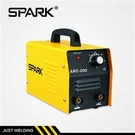



The duty cycle of a welding machine is a crucial parameter that indicates its performance and usability in various applications. As a supplier of the BX1 - 200B AC Welding Machine, I'd like to delve into what the duty cycle of this machine means and how it impacts your welding projects.
Understanding Duty Cycle
Before we specifically talk about the BX1 - 200B AC Welding Machine, let's clarify what the duty cycle is. The duty cycle is defined as the percentage of time a welding machine can operate at a given amperage within a 10 - minute period without overheating. For example, a duty cycle of 30% at 200 amps means that the welding machine can weld continuously for 3 minutes (30% of 10 minutes) at 200 amps, and then it needs to cool down for the remaining 7 minutes.
This parameter is vital because if you operate the welding machine beyond its duty cycle, it can lead to overheating, which may not only damage the machine but also affect the quality of the weld. Overheating can cause internal components to malfunction, such as the transformer or the electrical circuits, leading to costly repairs or even the need for a replacement.
The Duty Cycle of BX1 - 200B AC Welding Machine
The BX1 - 200B AC Welding Machine has its own specific duty cycle characteristics. This machine is designed to meet the needs of various welding tasks, from light - duty to more demanding applications. Typically, the BX1 - 200B BX1-200B AC Welding Machine has a duty cycle of around 35% at 200 amps. This means that in a 10 - minute period, it can operate continuously for 3.5 minutes at 200 amps and then requires a 6.5 - minute cooling - off period.


This duty cycle makes the BX1 - 200B suitable for a wide range of welding jobs. For hobbyists who do occasional welding, this duty cycle is often more than enough. They can weld for short periods and then take breaks between projects, allowing the machine to cool down naturally. Professional welders may also find the BX1 - 200B useful for jobs that don't require continuous high - amperage welding.
Factors Affecting the Duty Cycle
Several factors can affect the actual duty cycle of the BX1 - 200B AC Welding Machine in real - world applications.
Environmental Conditions
The most significant factor is the environmental temperature. When the ambient temperature is high, the machine will heat up more quickly, and its effective duty cycle may decrease. For example, if you are using the BX1 - 200B in a hot workshop during summer, the machine may need more cooling time compared to when it is used in a well - ventilated and cooler environment.
Welding Amperage
The amperage you set on the welding machine also has a direct impact on the duty cycle. As the amperage increases, the heat generated by the machine rises, reducing the duty cycle. For instance, if you set the BX1 - 200B to a lower amperage, say 100 amps, its duty cycle will likely be higher than at 200 amps. This allows for longer continuous welding times at lower power settings.
Ventilation
Proper ventilation around the welding machine is essential for maintaining an appropriate duty cycle. If the machine is placed in a confined space with poor ventilation, the heat it generates cannot dissipate effectively, leading to overheating and a reduced duty cycle. Always ensure that there is enough space around the BX1 - 200B for air to circulate freely.
Comparing with Other Welding Machines
To better understand the duty cycle of the BX1 - 200B, it's helpful to compare it with other similar welding machines. For example, the Popular Small Transformer Hobby Welding Machine is also a popular choice in the small - scale welding market. This type of machine may have a lower duty cycle, perhaps around 20% at a similar amperage. This means that it can only weld for 2 minutes in a 10 - minute period at that amperage, making it more suitable for very light - duty and intermittent welding tasks.
On the other hand, the BX1 - 200C AC Welding Machine may have a slightly different duty cycle characteristic. It could be optimized for more continuous welding operations, with a duty cycle of, say, 40% at 200 amps. This makes it a better choice for applications where longer continuous welding times are required.
Practical Applications Based on Duty Cycle
The duty cycle of the BX1 - 200B AC Welding Machine determines its practical applications.
Hobbyist Welding
For hobbyists who weld periodically, such as building small metal structures or doing home repairs, the 35% duty cycle at 200 amps is quite sufficient. They can work on small - scale projects, take breaks between welds, and still achieve high - quality results. The machine's relatively low duty cycle in this context is not a drawback but rather a cost - effective solution for occasional use.
Light - Industrial Welding
In light - industrial settings where welding is not continuous but occurs in short bursts, the BX1 - 200B can also be a reliable choice. For example, in a small fabrication shop that produces small metal components, the machine can be used to weld joints and seams without overheating, as long as the operators follow the duty cycle guidelines.
Maximizing the Use of BX1 - 200B Based on Duty Cycle
To get the most out of your BX1 - 200B AC Welding Machine, it's important to manage the duty cycle effectively.
Plan Your Welding Sessions
Before you start welding, plan your projects in advance. Calculate how long you need to weld at a particular amperage and ensure that you take appropriate breaks to allow the machine to cool down. This way, you can avoid overheating and extend the lifespan of your welding machine.
Adjust the Amperage
If you find that you need longer continuous welding times, consider reducing the amperage. As mentioned earlier, lower amperage settings generally result in a higher duty cycle, which means you can weld for longer periods without the need for extended cooling breaks.
Conclusion
The duty cycle of the BX1 - 200B AC Welding Machine is a key feature that determines its performance and usability. With a duty cycle of around 35% at 200 amps, it is suitable for a variety of applications, from hobbyist projects to light - industrial welding. By understanding the factors that affect the duty cycle and how to manage it effectively, you can maximize the use of this welding machine and achieve high - quality welds.
If you are interested in our BX1 - 200B AC Welding Machine or have any questions about its duty cycle or other features, please feel free to contact us for purchasing and further discussions.
References
- Welding Machine Handbook
- Industry Standards for AC Welding Machines