

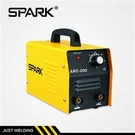


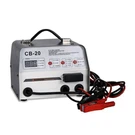

As a supplier of Three Phase Cutting Machines, I've had the privilege of delving deep into the intricacies of these powerful industrial tools. In this blog, I'll explore the control system of a three - phase cutting machine, shedding light on its components, functions, and significance in the cutting process.
1. Understanding the Basics of Three - Phase Cutting Machines
Before we dive into the control system, it's essential to understand what a Three Phase Cutting Machine is. A Three Phase Cutting Machine is a type of cutting equipment that operates on a three - phase electrical power supply. This power supply provides a more stable and efficient source of energy compared to single - phase systems, allowing the machine to handle heavier workloads and perform more precise cuts.
Three - phase cutting machines are commonly used in various industries, including metal fabrication, automotive manufacturing, and construction. They are capable of cutting through a wide range of materials, such as steel, aluminum, and copper, with high precision and speed.
2. Components of the Control System
The control system of a three - phase cutting machine is a complex network of components that work together to ensure the machine operates safely, efficiently, and accurately. Here are the key components:
2.1 Power Supply Control
The power supply control unit is responsible for regulating the three - phase electrical power input to the machine. It ensures that the voltage and current levels are within the specified range for the machine's operation. This component also includes safety features such as over - voltage and over - current protection to prevent damage to the machine and ensure operator safety.
2.2 Cutting Parameter Control
This component allows the operator to set and adjust various cutting parameters, such as cutting speed, cutting depth, and power output. The cutting speed determines how fast the machine moves along the cutting path, while the cutting depth controls how deep the cut is made into the material. The power output can be adjusted based on the type and thickness of the material being cut.
2.3 Motion Control
Motion control is crucial for achieving precise cuts. It includes components such as motors, drives, and controllers that work together to move the cutting head along the X, Y, and Z axes. The motion control system ensures that the cutting head follows the programmed cutting path accurately, resulting in high - quality cuts.


2.4 Sensor and Feedback System
Sensors play a vital role in the control system by providing real - time information about the machine's operation. For example, position sensors can detect the position of the cutting head, while temperature sensors can monitor the temperature of the machine's components. This feedback information is used by the control system to make adjustments and ensure optimal performance.
2.5 Programmable Logic Controller (PLC)
A PLC is a digital computer used for automation of industrial processes. In a three - phase cutting machine, the PLC is responsible for coordinating the operation of all the other components in the control system. It can be programmed to execute specific cutting sequences, monitor machine status, and perform diagnostic functions.
3. Functions of the Control System
The control system of a three - phase cutting machine performs several important functions:
3.1 Precision Cutting
By accurately controlling the cutting parameters and motion of the cutting head, the control system enables the machine to make precise cuts. This is essential for applications where high - quality cuts are required, such as in the manufacturing of precision parts.
3.2 Safety
The control system includes various safety features to protect the operator and the machine. For example, emergency stop buttons can be used to immediately halt the machine's operation in case of an emergency. The power supply control unit also provides over - voltage and over - current protection to prevent electrical hazards.
3.3 Efficiency
The control system optimizes the machine's operation by adjusting the cutting parameters based on the material being cut. This ensures that the machine uses energy efficiently and reduces waste. For example, if a thinner material is being cut, the power output can be reduced to save energy.
3.4 Flexibility
The control system allows for easy programming and adjustment of cutting sequences. This means that the machine can be quickly reconfigured to cut different shapes and sizes of materials, making it suitable for a wide range of applications.
4. Comparison with Other Types of Cutting Machines
It's interesting to compare the control system of a three - phase cutting machine with those of other types of cutting machines, such as High Duty Cycle Inverter Cutting Machine and Single Phase Cutting Machine.
4.1 High Duty Cycle Inverter Cutting Machine
High duty cycle inverter cutting machines use inverter technology to convert the input power to a high - frequency output. Their control systems are designed to manage the high - frequency power and provide precise control over the cutting process. While they offer high efficiency and portability, three - phase cutting machines generally have more power and are better suited for heavy - duty applications.
4.2 Single Phase Cutting Machine
Single phase cutting machines operate on a single - phase electrical power supply. Their control systems are simpler compared to three - phase cutting machines, as they do not need to manage the more complex three - phase power. However, single phase cutting machines are typically limited in terms of power and cutting capacity, making them more suitable for small - scale and light - duty applications.
5. Importance of a Well - Designed Control System
A well - designed control system is crucial for the success of a three - phase cutting machine. Here's why:
5.1 Quality Assurance
A precise control system ensures that the cuts made by the machine are of high quality. This is essential for meeting the strict quality standards of various industries. For example, in the automotive industry, high - quality cuts are required for the production of engine components and body parts.
5.2 Productivity
An efficient control system allows the machine to operate at its maximum capacity, reducing production time and increasing productivity. By optimizing the cutting parameters and motion control, the machine can make cuts faster and more accurately, resulting in higher output.
5.3 Cost - Effectiveness
A well - designed control system can help reduce operating costs. By using energy efficiently and minimizing waste, the machine can save on electricity bills and material costs. Additionally, a reliable control system reduces the need for frequent maintenance and repairs, further reducing costs.
6. Contact for Procurement and洽谈
If you're in the market for a high - quality Three Phase Cutting Machine, we're here to assist you. Our machines are equipped with state - of - the - art control systems that ensure precision, safety, and efficiency. Whether you're a small - scale workshop or a large - scale industrial manufacturer, we have the right solution for your cutting needs.
Don't hesitate to reach out to us to discuss your requirements and explore the possibilities of incorporating our Three Phase Cutting Machines into your production process. We look forward to the opportunity to work with you and help you achieve your cutting goals.
References
- "Industrial Cutting Machine Technology" - A textbook on the principles and applications of cutting machines.
- Industry reports on the latest trends in three - phase cutting machine technology.
- Manufacturer's manuals and technical documentation for three - phase cutting machines.