




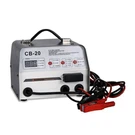

Hey there, fellow welding enthusiasts! As a supplier of DC Pulse TIG Welding Machines, I often get asked about the pre - flow and post - flow gas settings. So, I thought I'd write this blog to break it down for you.
Let's start with the basics. TIG (Tungsten Inert Gas) welding is a precise and high - quality welding process. In this process, an inert gas is used to shield the weld area from atmospheric contamination. That's where the pre - flow and post - flow gas settings come into play.
Pre - flow Gas Setting
The pre - flow gas setting determines how long the shielding gas flows before the arc is struck. It might seem like a small detail, but it's actually super important.
Purge the Weld Area
One of the main functions of the pre - flow gas is to purge the weld area of any air. You see, air contains oxygen, nitrogen, and other gases that can react with the molten metal during welding. When these reactions occur, they can lead to all sorts of problems. For example, oxygen can cause oxidation of the weld, making it brittle and reducing its strength. Nitrogen can form nitrides in the weld, which also have a negative impact on the weld quality. By flowing the shielding gas before starting the arc, we push out the air and create a clean environment for welding.
Let's say you're using our DC New Technology TIG Welding Machine. With the proper pre - flow gas setting, you can ensure that the weld area is free from contaminants right from the start. This leads to a cleaner, stronger, and more reliable weld.
Protect the Tungsten Electrode
Another crucial function of the pre - flow gas is to protect the tungsten electrode. The tungsten electrode is what creates the arc in TIG welding. If it's exposed to air before the arc is struck, it can oxidize. Oxidized tungsten electrodes don't perform as well. They can become brittle and may even break during welding. A good pre - flow gas setting ensures that the electrode is surrounded by the inert gas, preventing oxidation and extending its lifespan.
The pre - flow time can vary depending on the welding situation. For small welds or when using a small welding torch, a shorter pre - flow time might be sufficient. But for larger welds or in environments where there's a higher risk of air contamination, a longer pre - flow time is needed.
Post - flow Gas Setting
Now, let's talk about the post - flow gas setting. This setting controls how long the shielding gas continues to flow after the arc is extinguished.
Cool the Weld and Electrode
The first function of the post - flow gas is to cool the weld and the tungsten electrode. After welding, the weld area and the electrode are extremely hot. If they're suddenly exposed to air, they can cool too quickly, which can cause cracking in the weld. The post - flow gas provides a controlled cooling environment. It slowly cools the weld and the electrode, reducing the stress on the weld and preventing cracking.
For instance, if you're using our Plastic Panel Design Popular TIG Welding Machine, the post - flow gas setting allows for a smooth and safe cooling process. This is especially important when welding materials that are sensitive to rapid cooling, like some types of stainless steel.
Prevent Oxidation
Just like the pre - flow gas, the post - flow gas also helps prevent oxidation. Even after the arc is gone, the weld is still hot and reactive. If it comes into contact with air, oxidation can occur. The post - flow gas acts as a barrier, keeping the air away from the hot weld and ensuring that it remains clean and free from oxidation.
The post - flow time also depends on several factors. The thickness of the material being welded is a major factor. Thicker materials take longer to cool, so they usually require a longer post - flow time. The type of material also matters. Some materials cool more quickly than others, and their susceptibility to oxidation can vary.
How to Set the Pre - flow and Post - flow Gas
Setting the pre - flow and post - flow gas correctly is essential for getting the best results. Most of our DC Pulse TIG Welding Machines have adjustable pre - flow and post - flow settings. You can usually find these settings on the control panel of the machine.
When setting the pre - flow time, start with a short time and gradually increase it if you notice signs of air contamination in the weld, like porosity or oxidation. For the post - flow time, consider the material thickness and type. As a general rule, for thinner materials, a shorter post - flow time can be used, while thicker materials need a longer post - flow time.
Special Considerations for Different Welding Situations
Welding Aluminum
When welding aluminum, the pre - flow and post - flow gas settings are even more critical. Aluminum is highly reactive to oxygen and can form a tough oxide layer on its surface. Our AC/DC TIG for Welding Aluminium is designed to handle aluminum welding effectively.


A longer pre - flow time is needed to ensure that the oxide layer on the aluminum surface is completely removed by the shielding gas. During the post - flow, the gas helps prevent the re - formation of the oxide layer on the hot weld. This is important because the oxide layer can reduce the bond strength between the weld and the base material.
Welding in Harsh Environments
If you're welding in an environment where there's a lot of air movement, such as outdoors or in a windy workshop, you may need to increase both the pre - flow and post - flow times. The air movement can quickly bring in contaminants, so a longer pre - flow time is needed to purge the area effectively. And a longer post - flow time ensures that the weld is protected from the air until it's cooled down enough.
Conclusion
In conclusion, the pre - flow and post - flow gas settings on a DC Pulse TIG Welding Machine are not just minor details. They play a vital role in ensuring the quality, strength, and reliability of the weld. The pre - flow gas purges the weld area, protects the electrode, and sets the stage for a clean welding process. The post - flow gas cools the weld and electrode and prevents oxidation after welding.
If you're in the market for a high - quality DC Pulse TIG Welding Machine or have any questions about the pre - flow and post - flow gas settings, don't hesitate to get in touch. We're here to help you make the most of your welding projects. Whether you're a professional welder or a hobbyist, our machines are designed to meet your needs. Let's start a conversation and see how we can work together to achieve the best welding results.
References
- Welding Handbook, American Welding Society
- TIG Welding Guide, Industry - standard publication on TIG welding techniques