




Automatic TIG (Tungsten Inert Gas) welding is a precise and efficient welding process widely used in various industries, including automotive, aerospace, and manufacturing. As a TIG welding machine supplier, I understand the importance of having the right components for a successful automatic TIG welding setup. In this blog post, I will discuss the key components needed for automatic TIG welding and how they work together to achieve high-quality welds.
1. TIG Welding Machine
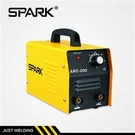
The heart of any TIG welding setup is the welding machine itself. There are different types of TIG welding machines available, each designed to meet specific welding requirements. For example, the DC New Technology TIG Welding Machine is suitable for welding materials such as stainless steel, carbon steel, and copper. It offers stable arc performance and precise control over the welding parameters, making it ideal for both manual and automatic welding applications.
On the other hand, the AC/DC TIG for Welding Aluminium is specifically designed for welding aluminium and its alloys. Aluminium requires a special welding process due to its high thermal conductivity and oxide layer. The AC/DC capability of this machine allows for effective cleaning of the oxide layer during the AC cycle and stable welding during the DC cycle.
For industrial applications that require high-power welding, the Industrial 380V Professional TIG for Welding Aluminium is a great choice. It can handle thick aluminium sheets and provides consistent welding performance even in demanding environments.
2. Power Supply
A reliable power supply is essential for automatic TIG welding. The power supply provides the electrical energy needed to create and maintain the welding arc. It should be able to deliver a stable and consistent output voltage and current to ensure proper welding conditions.
Most TIG welding machines are designed to operate on either single-phase or three-phase power supplies. Single-phase power supplies are commonly used for small to medium-sized welding applications, while three-phase power supplies are preferred for industrial applications that require high power.
The power supply also includes a control panel that allows the operator to adjust the welding parameters such as current, voltage, and pulse frequency. These parameters can be fine-tuned to achieve the desired welding results based on the type of material, thickness, and joint design.


3. TIG Torch
The TIG torch is the tool that holds the tungsten electrode and delivers the shielding gas to the welding area. It is an important component that directly affects the quality of the weld. There are different types of TIG torches available, including air-cooled and water-cooled torches.
Air-cooled torches are suitable for low to medium-current welding applications. They are lightweight and easy to handle, making them ideal for manual welding. Water-cooled torches, on the other hand, are designed for high-current welding applications. They use water to cool the torch, which allows for continuous welding at higher currents without overheating.
The TIG torch also includes a collet and collet body that hold the tungsten electrode in place. The collet should be properly sized to fit the electrode diameter to ensure a secure and stable connection. Additionally, the torch should be equipped with a gas cup that directs the shielding gas to the welding area, protecting the weld pool from atmospheric contamination.
4. Tungsten Electrode
The tungsten electrode is a critical component in TIG welding. It is made of tungsten, a refractory metal with a high melting point, which allows it to withstand the high temperatures generated during the welding process. The electrode is responsible for creating the welding arc and transferring the electrical current to the workpiece.
There are different types of tungsten electrodes available, each with its own characteristics and applications. For example, pure tungsten electrodes are suitable for AC welding of aluminium and magnesium alloys. They have a good arc starting ability and produce a stable arc. Thoriated tungsten electrodes, on the other hand, are commonly used for DC welding of stainless steel, carbon steel, and other metals. They have a higher electron emission efficiency, which results in a more stable arc and better welding performance.
The size and shape of the tungsten electrode also play an important role in the welding process. The electrode diameter should be selected based on the welding current and the type of material being welded. A larger diameter electrode is typically used for higher current applications, while a smaller diameter electrode is used for lower current applications. The electrode tip should be ground to a specific shape, such as a point or a truncated cone, to optimize the arc characteristics and the weld quality.
5. Shielding Gas
Shielding gas is used in TIG welding to protect the weld pool from atmospheric contamination. The gas creates a protective atmosphere around the weld area, preventing the oxidation and nitriding of the molten metal. This helps to produce a clean and high-quality weld.
The most commonly used shielding gas for TIG welding is argon. Argon is an inert gas that does not react with the molten metal, making it ideal for welding a wide range of materials. It provides good arc stability and produces a smooth and clean weld. In some cases, a mixture of argon and helium may be used to improve the welding performance, especially when welding aluminium and other non-ferrous metals.
The shielding gas is supplied to the TIG torch through a gas hose. The gas flow rate should be carefully adjusted to ensure proper coverage of the weld pool. Too little gas flow may result in insufficient shielding, while too much gas flow may cause turbulence and affect the arc stability.
6. Wire Feeder (Optional)
In some automatic TIG welding applications, a wire feeder may be used to add filler metal to the weld pool. The wire feeder is a device that feeds a continuous wire electrode into the welding area at a controlled rate. This is useful when welding thicker materials or when a stronger weld joint is required.
The wire feeder consists of a wire spool, a drive mechanism, and a control system. The wire spool holds the filler wire, which is typically made of the same material as the workpiece or a compatible alloy. The drive mechanism feeds the wire through a conduit and into the welding area. The control system allows the operator to adjust the wire feed speed and the wire feed rate to match the welding parameters.
7. Welding Table and Fixtures
A stable welding table and proper fixtures are essential for automatic TIG welding. The welding table provides a flat and stable surface for the workpiece, ensuring accurate positioning and alignment during the welding process. It should be made of a material that can withstand the heat and pressure generated during welding, such as steel or aluminium.
Fixtures are used to hold the workpiece in place and prevent it from moving during welding. They can be custom-designed to fit the specific shape and size of the workpiece. Fixtures can also be used to control the joint gap and the welding angle, which are important factors in achieving a high-quality weld.
8. Control System
An automatic TIG welding system requires a control system to manage the welding process. The control system can be either a programmable logic controller (PLC) or a computer numerical control (CNC) system. The control system allows the operator to program the welding parameters, such as welding speed, current, voltage, and wire feed rate, and to automate the welding process.
The control system also includes sensors and feedback mechanisms that monitor the welding process and adjust the parameters in real-time. For example, a temperature sensor can be used to monitor the temperature of the workpiece and adjust the welding current to prevent overheating. A vision system can be used to detect the position and orientation of the workpiece and adjust the welding path accordingly.
Conclusion
In conclusion, automatic TIG welding requires a combination of high-quality components to achieve optimal results. As a TIG welding machine supplier, I offer a wide range of products and solutions to meet the diverse needs of my customers. Whether you are looking for a DC New Technology TIG Welding Machine, an AC/DC TIG for Welding Aluminium, or an Industrial 380V Professional TIG for Welding Aluminium, I can provide you with the right equipment and support.
If you are interested in learning more about automatic TIG welding or if you have any questions about our products, please feel free to contact me. I am always happy to help you find the best solution for your welding needs.
References
- Welding Handbook, American Welding Society
- TIG Welding: Principles and Practices, Lincoln Electric
- Modern Welding Technology, Delmar Cengage Learning