




When it comes to operating a cutting machine, safety should always be the top priority. As a cutting machine supplier, I understand the importance of providing not only high - quality machines but also the knowledge about the necessary protective equipment. In this blog, I will discuss the essential protective gear required when using a cutting machine.
Eye and Face Protection
One of the most vulnerable areas during cutting operations is the eyes and face. Cutting machines can generate a variety of hazards such as flying debris, sparks, and harmful radiation.
Safety glasses are a basic yet crucial piece of equipment. They are designed to protect the eyes from small particles and debris that may be ejected during the cutting process. When choosing safety glasses, look for those with side shields. Side shields provide additional protection from debris coming from the sides, reducing the risk of eye injuries.
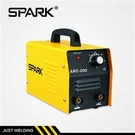
For more heavy - duty cutting operations, face shields are recommended. Face shields offer full - face protection against larger particles, sparks, and splashes. They are particularly useful when using high - powered cutting machines like the High Duty Cycle Inverter Cutting Machine. This type of cutting machine can produce intense heat and large amounts of debris, making a face shield an essential part of the safety gear.
Head Protection
A hard hat is necessary when using a cutting machine, especially in industrial settings. Falling objects or debris from the cutting process can pose a significant threat to the head. A hard hat can absorb the impact of such objects and prevent serious head injuries.
It is important to ensure that the hard hat meets the relevant safety standards. Look for markings indicating compliance with industry - recognized regulations. Regularly inspect the hard hat for any signs of damage, such as cracks or dents. If any damage is detected, replace the hard hat immediately.
Hand Protection
Hands are directly involved in operating the cutting machine and are therefore at high risk of injury. Heat, sharp edges, and flying debris can all cause harm to the hands.
Heat - resistant gloves are essential for protecting against the high temperatures generated by the cutting process. They are made from materials that can withstand extreme heat, preventing burns and other heat - related injuries. These gloves should fit well to ensure dexterity while operating the machine.
In addition to heat resistance, cut - resistant gloves are also important. They protect the hands from sharp edges and flying debris. Cut - resistant gloves are made from special materials such as Kevlar or stainless - steel mesh, which can withstand the cutting forces and prevent cuts and lacerations.
Hearing Protection
Cutting machines can be very noisy, and prolonged exposure to high - level noise can cause hearing damage. Earplugs or earmuffs are the two main types of hearing protection.
Earplugs are small, disposable devices that are inserted into the ear canal. They are convenient and easy to use. However, they need to be inserted correctly to provide effective protection. Earmuffs, on the other hand, are worn over the ears and provide a physical barrier against noise. They are often more comfortable for long - term use and can offer a higher level of noise reduction.
When choosing hearing protection, consider the noise level generated by the specific cutting machine. Select earplugs or earmuffs with an appropriate noise - reduction rating (NRR). The NRR indicates the amount of noise that the hearing protection can block.
Respiratory Protection
Cutting operations can generate dust, fumes, and other airborne particles that are harmful to the respiratory system. Depending on the type of material being cut, these particles can include metal dust, asbestos fibers (if cutting certain older materials), and toxic fumes.

For light dust exposure, a dust mask may be sufficient. Dust masks are inexpensive and easy to use. They can filter out large particles and provide basic protection. However, for more hazardous fumes and fine dust, a respirator is required.
There are different types of respirators available, including air - purifying respirators (APRs) and supplied - air respirators (SARs). APRs filter the air before it is inhaled, removing harmful particles and fumes. SARs, on the other hand, supply clean air from an external source. The choice of respirator depends on the specific hazards present during the cutting operation.
Body Protection
A safety apron or a protective suit can protect the body from heat, sparks, and debris. Safety aprons are usually made from heat - resistant materials and can be worn over regular clothing. They cover the front of the body, protecting the torso from burns and other injuries.
In more hazardous environments, a full - body protective suit may be necessary. Protective suits are made from specialized materials that provide comprehensive protection against heat, chemicals, and debris. They are often used in industrial settings where the cutting process involves high - risk materials or operations.
Foot Protection
Steel - toed boots are essential for foot protection when using a cutting machine. Falling objects or heavy equipment can cause serious foot injuries. Steel - toed boots have a reinforced toe cap that can withstand the impact of such objects.
In addition to steel - toed protection, the boots should also provide good traction. This is important to prevent slips and falls, especially in environments where there may be oil, water, or debris on the floor.
Conclusion
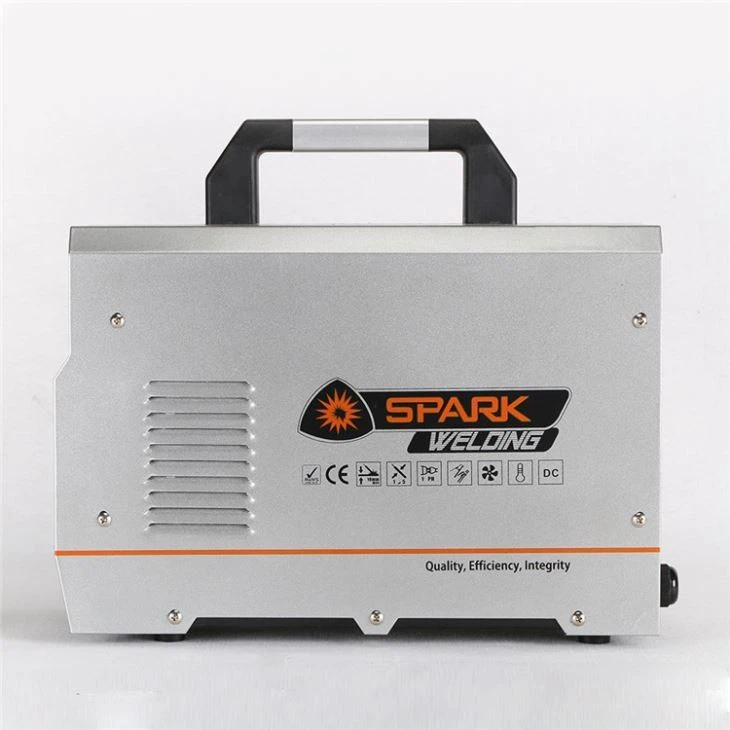
Using a cutting machine requires a comprehensive approach to safety. By wearing the appropriate protective equipment, operators can significantly reduce the risk of injuries. As a cutting machine supplier, I am committed to providing not only high - quality Three Phase Cutting Machine and Single Phase Cutting Machine but also the necessary knowledge about safety.
If you are in the market for a cutting machine or need more information about the protective equipment, I encourage you to reach out for a detailed discussion. We can work together to ensure that you have the right cutting solution and the appropriate safety measures in place.
References
- Occupational Safety and Health Administration (OSHA) regulations on personal protective equipment.
- Industry - recognized safety standards for cutting machines and related protective gear.