

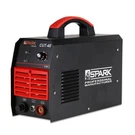


If you’re someone who’s been around metalworking, repairs, or even building custom projects, you’ve probably heard of TIG welding – but if you’re new to the game, let me break it down: TIG (Tungsten Inert Gas) welding is the process that uses a non-consumable tungsten electrode to create a weld, paired with a shielding gas (usually argon) to keep impurities out. As a TIG welding machine supplier, I get asked all the time: why choose a TIG machine over other types like MIG or stick welding? Yeah, those other processes are fast, but TIG’s got perks that make it worth the investment, whether you’re a hobbyist tinkering in your garage or a fab shop cranking out custom parts. Let’s dive into the real advantages that set TIG welders apart, no sales jargon, just straight-up facts I see every single day working with these machines.


First off, let’s talk about weld quality – because that’s the big one for anyone who’s ever had a weld fail or look like a hot mess. TIG welding gives you way more control than any other process, and that’s not just marketing. When you’re using a TIG machine, you’re adjusting two key things with your hands: the amperage (via your foot pedal, on most models) and the filler rod (with your other hand). That precision lets you create welds that are clean, smooth, and almost bubble-free – no splatter, no ugly spatter you have to grind off later. I’ve seen hobbyists switch from MIG to TIG and go, “Wait, I don’t have to spend 20 minutes grinding slag off every weld?” Yeah, that’s a game-changer. The shielding gas is another win here – unlike MIG, which sometimes lets in air if your wire feed is off, TIG’s continuous argon flow creates a tight shield around the weld pool, so you’re not getting oxidation (that discolored, crumbly mess) on steel or aluminum. For example, if you’re working on something that needs to look good right out of the weld – like a custom bike frame, a stainless steel kitchen range, or even a decorative metal sign – TIG’s the only way to get that pristine, “no post-weld cleanup needed” finish. And before you ask: yes, modern TIG machines make this easier than ever. Check out Plastic Panel Design Popular TIG Welding Machine – the plastic control panels on these models are way more user-friendly than old clunky metal ones, with digital displays that make adjusting amperage or gas flow a breeze, even if you’re just starting out.
Next up, versatility – and I don’t mean “it works on one type of metal.” TIG machines can weld almost any metal you’d use in welding, from thin gauge stainless steel and mild steel to thicker stuff like copper, brass, and even aluminum. Wait, aluminum’s always been a tricky metal, right? It oxidizes super fast, so you need a welder that can adjust the current type. That’s where AC/DC TIG comes in – alternating current for aluminum, because it cleans away that oxide layer, and direct current for steel and stainless, which gives deeper penetration. If you’ve ever struggled with aluminum welds that just don’t fuse right, AC/DC TIG for Welding Aluminium is a must-have. I’ve had customers switch from old stick welders to AC/DC TIGs and tell me they can finally tackle their aluminum projects without running to a local welder every time. And it’s not just different metals – you can weld different metals together, too (called dissimilar metal welding), like steel to copper, which is perfect for things like heat exchangers or custom automotive parts. No other process lets you do that reliably.
Let’s talk about control for different thicknesses, too. If you’re working on super thin metal – like 18-gauge sheet metal for a car body panel, or jewelry-grade stainless – a MIG welder might blow right through it, but TIG lets you dial in low amperage (as low as 5 amps on some models) to get a smooth, controlled weld without burning a hole. On the flip side, if you’re working on thicker steel or industrial parts, you can crank up the amperage to get deep, strong penetration. DC single-phase TIG welders are great for smaller jobs – they run on standard 110V or 220V household power, so a hobbyist in a garage doesn’t need a huge 3-phase setup to use them. DC Single Phase TIG Welding Machine is perfect for that – light enough to move around, easy to set up, no fancy power requirements. For industrial shops that need to weld thick aluminum all day, we’ve got Industrial 380V Professional TIG for Welding Aluminium that can handle heavy-duty jobs with consistent results, hour after hour.
Pulse TIG is another big advantage you might not hear about a lot, but it’s a game-changer for both thin metal and getting consistent welds on large parts. DC pulse TIG lets you adjust the current to pulse on and off at a set frequency – so you’re not running constant high amperage, which means less heat, less distortion, and better control. For example, if you’re welding a long seam on a bike frame, pulse TIG prevents the metal from warping (that twisting or bending you get from too much heat) because you’re only applying heat in small bursts. It also works great for horizontal or vertical welds, since you can set the pulse to keep the weld pool from dripping. DC Pulse TIG Welding Machine is super popular with custom fabricators because it cuts down on prep time and post-weld work – no more clamping parts for hours to stop warping, no more grinding down uneven welds.
Now, let’s get real about cost (since that’s a big concern for everyone). I know TIG welders used to be way more expensive than MIG, and that’s true for some high-end industrial models, but there are options for every budget. For hobbyists getting started, the plastic panel design TIGs I mentioned earlier are affordable, reliable, and don’t require a ton of extra gear. You don’t need a big air compressor or fancy setup – just the welder, a TIG torch, argon gas, and some filler rods. The long-term savings are where TIG wins, too. Since you get less splatter and fewer bad welds, you’re not wasting metal, filler rod, or gas on mistakes. A MIG welder might be cheaper upfront, but if you’re ruining a $20 stainless steel panel because you burned through it, or spending hours grinding spatter, TIG actually saves you money in the long run. For small shops or hobbyists, that adds up fast.
Another underrated advantage: less distortion. This is huge for precision work. When you weld, heat makes metal expand and contract, which causes distortion – and if you’re building something that needs to fit right, like a custom car part or a medical device, even a tiny warp can mess up the whole project. TIG’s ability to control heat (especially with pulse TIG) means you’re only heating the exact area you need, so less expansion and less warping. I had a customer last month who was building a custom stainless steel boat rail – he tried MIG, and every weld distorted the tube so bad he had to cut and re-weld 10 times. He switched to a DC pulse TIG, got it right on the first try, and saved himself a ton of time and material. That’s the kind of thing you can’t put a price on.
Wait, let’s address the biggest myth about TIG: that it’s too hard to learn. Yeah, it takes a little practice at first – you’re using both hands, a foot pedal, and the torch in the other, which is a lot if you’re new. But modern machines have features that make it way easier than it used to be. The plastic panel models have pre-set programs for different metals and thicknesses, so you don’t have to guess at amperage or gas flow. Some even have a “lift arc” function, which lets you strike the arc by touching the torch to the metal and lifting it up, instead of scratching like old stick welders – no more contaminating your tungsten by scratching it on the work piece. Once you get the basics down, TIG is actually more intuitive than other processes because you have direct control over every part of the weld. I’ve seen 16-year-old hobbyists go from never welding to making perfect TIG welds in a month, as long as they have the right machine.
Now, who actually benefits from a TIG machine? Let’s break it down: hobbyists building custom projects (bikes, furniture, art), small fabricators taking on high-quality work, automotive shops doing custom restorations, aerospace or medical shops needing precision welds, and even people who just want a versatile welder that can handle any job. If you’re doing work where weld quality, precision, or the ability to work on multiple metals matters, TIG is the way to go. MIG is great for speed on thick steel, stick is good for outdoor rusty metal, but TIG is the only process that gives you that level of control and clean results.
At the end of the day, every welder has different needs – a hobbyist doesn’t need the same machine as an industrial fab shop, and a welder who only works on mild steel doesn’t need an AC/DC model. But the core advantages of TIG welders – unbeatable precision, versatility across metals, clean welds with minimal cleanup, less distortion, and long-term cost savings – apply no matter what you’re working on. If you’re ready to step up your welding game, whether you’re replacing an old MIG or buying your first machine, it’s worth checking out the models that fit your needs, from the entry-level plastic panel TIGs to the heavy-duty industrial AC/DC pulse models. I’ve worked with TIG machines for years, and I still get excited when I see a clean, perfect TIG weld – there’s nothing else like it.
If you’re ready to find the right TIG welding machine for your projects and get answers to all your questions, feel free to reach out and connect with us to discuss your needs, compare models, or get more details on how TIG can work for you. Let’s talk through your specific projects, budget, and power setup to find the perfect match.
References:
- Welding Journal. (2022). "TIG Welding Precision: Benefits for Modern Fabrication." American Welding Society.
- Miller Electric Mfg. LLC. (2021). "Guide to TIG Welding Different Metals and Thicknesses." Miller Welding Resources.
- Lincoln Electric. (2023). "Pulse TIG Technology: Reducing Distortion and Improving Weld Quality." Lincoln Technical Papers.
- American Welding Society. (2020). "Shielding Gas Performance in TIG Welding: Minimizing Oxidation and Contamination." AWS Science & Technology Committee.