

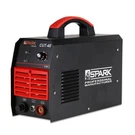


If you’re in the welding game, you’ve probably heard the terms “standard MMA welding machine” and “customized MMA welding machine” thrown around—but do you actually know what sets them apart? Let’s break this down straight from the supplier’s desk, no fancy jargon to confuse you. I’ve been working with MMA welders (stick welders, for the uninitiated) for years, and the biggest mistake I see buyers make is grabbing the first standard machine they see without thinking about their specific job. Spoiler: that one-size-fits-all approach doesn’t work for every project.
First, let’s start with the basics: what even is an MMA welding machine? It’s the stick welder you grab when you need something tough, reliable, and able to handle thick metal or rough environments—think construction sites, farm repairs, or fabricating heavy steel parts. Standard models are mass-produced for the average user, while customized ones are built around your unique needs. But let’s dive deeper into the real differences, because it’s not just about the name.
When it comes to standard MMA welding machines, they’re made for the masses. We’re talking about a single design that’s churned out in huge batches, with features that appeal to the largest group of welders. Most standard models come with a fixed amperage range—say 20 to 200 amps—that works for thin to medium steel, but not much else. They have a single circuit board (that’s the brain of the machine) and pre-set settings for common electrodes like E6010 or E7018. The Single Pcb Arc Welder is a perfect example of this—simple, no frills, and built to do the basics well. It’s lightweight enough to carry to a job site, affordable, and requires zero setup out of the box.
But here’s the catch with standard machines: they’re not for everyone. If you’re a hobbyist doing occasional repairs, or a small shop working on average metal projects, a standard model is probably fine. But if you’re taking on specialized work—like welding stainless steel for food equipment, or fabricating custom metal art—those one-size settings start to feel limiting. Standard machines also have rigid voltage inputs, so if your job site has wonky power (common in rural areas or old buildings), they might struggle to keep a stable arc. They’re built for consistent, ideal power conditions, not the messy, real-world stuff.
Now, what about customized MMA welding machines? These are built from the ground up for your specific needs, not the general public. Let’s say you’re a fabrication shop that works exclusively with stainless steel—customizing your machine to handle the lower heat input needed for stainless would make your welds cleaner and less likely to warp. Or if you’re a mobile welder who travels to remote job sites, you might want a smaller, more portable unit with extra battery life. That’s where customization shines. For example, our MMA/TIG-250 Welding Machine can be customized to add extra amperage for thick steel, or a TIG function for more precise work—something you won’t find in a standard model.


Customized machines also let you tweak features that matter to you. Maybe you need a digital display instead of analog for easier reading in bright sunlight, or a longer power cable to reach tight spots. Our Hand-held Inverter Machine is a great candidate for customization—you can adjust the weight, add a ergonomic handle, or even modify the cooling system if you’re working in super hot conditions. Even the power input can be customized: if you’re working in places with 220V instead of 110V, we can build that in so you don’t need a converter. The key here is that there’s no “one size” — every feature is tailored to how you work.
Let’s talk about performance differences, because that’s what matters most when you’re welding. Standard machines are reliable, but they have fixed parameters. If you’re welding thin metal, they might put out too much heat, causing burn-through. If you need a longer arc for deep groove welds, they can’t adjust that. Customized machines, on the other hand, let you tune the arc force, hot start, and crater fill settings exactly how you like them. For example, our Stainless Steel MMA Welding Machine can be customized to have a lower amperage range specifically for stainless, which prevents discoloration and ensures a smooth, strong weld. That’s not something a standard stainless model can do—they’re built for general stainless work, not your exact type (like 304 vs. 316) or thickness.
Durability is another big difference. Standard machines are built to last, but they’re made with cost-effective materials to keep the price down. Customized machines can use higher-grade components that fit your work environment. If you’re welding in dusty construction sites, we can add a better dust filter to keep the internal parts clean. If you’re working in wet conditions, we can make the casing water-resistant. Our Music Welding Machine (yes, that’s a real thing for custom metal art) is built to handle the unique needs of artists—lighter weight for long hours, precise control for delicate welds, and a finish that stands up to frequent transport to shows. You can’t get that level of durability from a standard model.
Cost is a factor too, and I’m not going to sugarcoat it. Standard MMA welding machines are cheaper upfront—you can grab a good single-pcb model for a few hundred bucks, which is great if you’re on a tight budget. Customized machines cost more because every part is tailored to you, there’s no mass production markup, and we spend time testing it to make sure it fits your needs. But here’s the upside: a customized machine will save you money in the long run. You won’t waste electrodes because the arc is off, you won’t have to rework bad welds, and you won’t need to buy extra adapters or converters for your job site. For a small shop or a mobile welder, that adds up fast.
Wait, let’s clear up a common misconception: “customized” doesn’t mean “overly complicated.” A lot of buyers think they’ll have to be an engineer to use a customized machine, but that’s not true. We work with you every step of the way to figure out what you need—do you need more power? Better portability? Specific electrode compatibility?—and build a machine that’s easy to use, just like a standard one, but better for your job. For example, if you tell us you only weld 1/4-inch steel and work off 110V power, we can customize a machine that’s lightweight, has just the right amperage range, and no extra features you don’t need. It’s still user-friendly, but it’s built for your exact workflow.
So when should you go standard, and when should you customize? Let’s break it down simply. Go standard if you’re a hobbyist doing occasional projects, or a small business that works on general steel repairs and doesn’t have specialized needs. The single-pcb arc welder is a solid choice here—affordable, reliable, and gets the job done. Go customized if you’re a mobile welder, fabrication shop, metal artist, or anyone working on specialized materials (stainless, aluminum, exotic metals) or in tough environments (remote sites, dusty, wet conditions). The MMA/TIG-250 or hand-held inverter can be tweaked to fit your needs, making your work faster, higher quality, and less frustrating.
At the end of the day, the best MMA welding machine is the one that works for you. We’ve sold thousands of standard models to happy customers, and we’ve customized hundreds of machines for specific jobs—from welding stainless steel for food trucks to building custom metal sculptures. The key is knowing what your needs are, not just what’s popular or cheap.
If you’re stuck between standard and customized, or you just want to learn more about what we can build for you, reach out. We’ll walk through your projects, your environment, and what you need from your welder, no pressure, no sales hype. Whether you’re grabbing a standard single-pcb model for your garage or a fully customized machine for your mobile business, we’ve got you covered. Don’t waste money on a machine that doesn’t fit your work—let’s find the right one together.
References
- "MMA Welding Machine Basics and Applications", Welding Journal, 2023.
- "Customized vs. Standard Welding Equipment: Key Performance Differences", Fabricator Magazine, 2022.
- "Stainless Steel Welding Techniques and Machine Requirements", Metal Industry News, 2021.
- "Portable Inverter Welders: Features and Customization Options", Mobile Welding Today, 2023.