




As a supplier of Three Phase Cutting Machines, I've encountered numerous common problems faced by users. In this blog, I'll share some effective troubleshooting methods to help you quickly resolve these issues and keep your cutting machine running smoothly.
1. Machine Fails to Start
One of the most common problems is that the three - phase cutting machine fails to start. There could be several reasons for this.


Power Supply Issues
First, check the power source. Ensure that the three - phase power supply is properly connected and that the voltage is within the rated range of the cutting machine. A voltage that is too high or too low can prevent the machine from starting. You can use a multimeter to measure the voltage of each phase. If the power supply is interrupted or unstable, check the circuit breaker, fuses, and power cables. A blown fuse or a damaged cable can cause a loss of power. Replace the fuse with one of the correct rating and inspect the cables for any signs of damage such as cuts or burns.
Control Circuit Problems
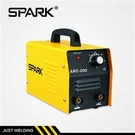
The control circuit of the cutting machine is responsible for starting and stopping the machine. A malfunction in the control circuit can prevent the machine from starting. Check the control switches, relays, and wiring in the control circuit. Loose connections, damaged switches, or faulty relays can all cause problems. Tighten any loose connections and replace any damaged components. For more information on high - performance cutting machines, you can visit our High Duty Cycle Inverter Cutting Machine page.
Motor Problems
The motor is the heart of the cutting machine. If the motor fails to start, it could be due to a variety of reasons such as a burnt - out motor winding, a seized motor shaft, or a problem with the motor's starting capacitor. Listen for any unusual noises from the motor when you try to start the machine. If there is a humming sound but the motor doesn't turn, it could be a sign of a seized shaft or a problem with the capacitor. In this case, it's best to contact a professional technician to repair or replace the motor.
2. Poor Cutting Quality
Another common problem is poor cutting quality, which can manifest as rough cuts, uneven edges, or excessive dross.
Torch and Nozzle Issues
The torch and nozzle are critical components for achieving good cutting quality. A worn - out or damaged nozzle can cause the cutting arc to be unstable, resulting in poor cuts. Check the nozzle for signs of wear, such as a large or uneven orifice. Replace the nozzle if necessary. Also, make sure that the torch is properly aligned and that the gas flow is correct. Incorrect gas flow can lead to poor shielding and increased dross formation. Adjust the gas flow rate according to the manufacturer's recommendations.
Cutting Parameters
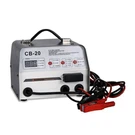
Incorrect cutting parameters can also affect the cutting quality. The cutting speed, amperage, and gas pressure all need to be set correctly for the material and thickness being cut. If the cutting speed is too fast, the arc may not penetrate the material completely, resulting in a rough cut. If the amperage is too low, the cutting power will be insufficient, and if it's too high, it can cause excessive melting and dross. Refer to the machine's manual to determine the appropriate cutting parameters for different materials and thicknesses. Our 3 in 1 ARC TIG Cutting Equipment offers a wide range of adjustable parameters for optimal cutting.
Material Issues
The quality and type of the material being cut can also impact the cutting quality. Some materials may have surface contaminants such as rust, paint, or oil, which can interfere with the cutting process. Clean the surface of the material before cutting to ensure a better cut. Additionally, different materials have different cutting characteristics, so make sure you are using the appropriate cutting method and parameters for the specific material.
3. Overheating Problems
Overheating is a serious issue that can damage the cutting machine and reduce its lifespan.
Cooling System Problems
The cooling system of the cutting machine is designed to keep the components at a safe operating temperature. If the cooling system fails, the machine will overheat. Check the coolant level in the cooling system and make sure that the coolant is flowing properly. A clogged coolant line or a malfunctioning water pump can prevent the coolant from circulating effectively. Clean the coolant lines and replace the water pump if necessary. Also, ensure that the cooling fans are working properly. The fans help to dissipate heat from the machine's components. If the fans are not spinning or are making unusual noises, replace them.
Overloading
Overloading the cutting machine can also cause it to overheat. Operating the machine beyond its rated capacity for an extended period of time can generate excessive heat. Make sure you are not cutting materials that are too thick or using the machine at a higher amperage than it is designed for. Refer to the machine's specifications to determine its maximum cutting capacity and operate it within those limits. You can find more details about our Three Phase Cutting Machine and its capabilities on our website.
4. Electrical Leakage
Electrical leakage is a safety hazard that needs to be addressed immediately.
Insulation Problems
The electrical insulation of the cutting machine is crucial for preventing electrical leakage. Over time, the insulation can deteriorate due to factors such as heat, moisture, or physical damage. Check the insulation of the power cables, wiring, and electrical components. Look for any signs of cracking, peeling, or discoloration of the insulation. If you suspect electrical leakage, use a megohmmeter to measure the insulation resistance. If the resistance is below the recommended value, replace the damaged insulation or the affected components.
Grounding Issues
Proper grounding is essential for ensuring electrical safety. A faulty grounding connection can cause electrical leakage and pose a risk of electric shock. Check the grounding wire of the cutting machine and make sure it is securely connected to a proper grounding point. The grounding point should have a low resistance to ensure effective grounding. If the grounding wire is damaged or the grounding point is ineffective, repair or replace the grounding system.
Conclusion
Troubleshooting common problems of a three - phase cutting machine requires a systematic approach. By checking the power supply, control circuit, torch and nozzle, cutting parameters, cooling system, and electrical insulation, you can identify and resolve most issues. If you encounter problems that you are unable to solve, don't hesitate to contact us. As a professional supplier of Three Phase Cutting Machines, we have a team of experienced technicians who can provide you with professional advice and support. Whether you are looking to purchase a new cutting machine or need assistance with troubleshooting, we are here to help. Contact us for more information and to discuss your procurement needs.
References
- Cutting Machine Operation Manuals
- Industry Standards for Three - Phase Cutting Machines
- Technical Papers on Metal Cutting Technology