




How to Operate BX1 - 200C AC Welding Machine Safely?
As a supplier of the BX1 - 200C AC Welding Machine, I understand the importance of safe operation. Welding is a high - risk activity that requires strict adherence to safety procedures to prevent accidents and ensure the well - being of operators. In this blog, I will share some essential guidelines on how to operate the BX1 - 200C AC Welding Machine safely.
Pre - operation Preparation
Before starting to use the BX1 - 200C AC Welding Machine, several crucial steps of pre - operation preparation should be carried out.
First and foremost, conduct a thorough inspection of the welding machine. Check the power cord for any signs of damage, such as cuts, abrasions, or exposed wires. A damaged power cord can lead to electrical shocks, so it is essential to replace it immediately if any damage is detected. Also, examine the welding cables for proper insulation and connection. Loose or damaged cables can cause arcing and overheating, which pose significant safety hazards.
Next, ensure that the welding machine is placed on a stable and dry surface. A wobbly or wet surface can not only affect the performance of the machine but also increase the risk of electrical short - circuits. The working environment should be well - ventilated to prevent the accumulation of harmful welding fumes. Welding fumes contain various toxic substances, such as metal oxides and gases, which can cause respiratory problems and other health issues if inhaled in large quantities.
It is also necessary to wear appropriate personal protective equipment (PPE). This includes a welding helmet with a proper shade of filter lens to protect the eyes and face from intense light, sparks, and UV radiation. Welding gloves made of heat - resistant materials are required to protect the hands from burns and electric shocks. Flame - resistant clothing and safety shoes should also be worn to safeguard the body from sparks and hot metal splashes.

Power Connection and Setup
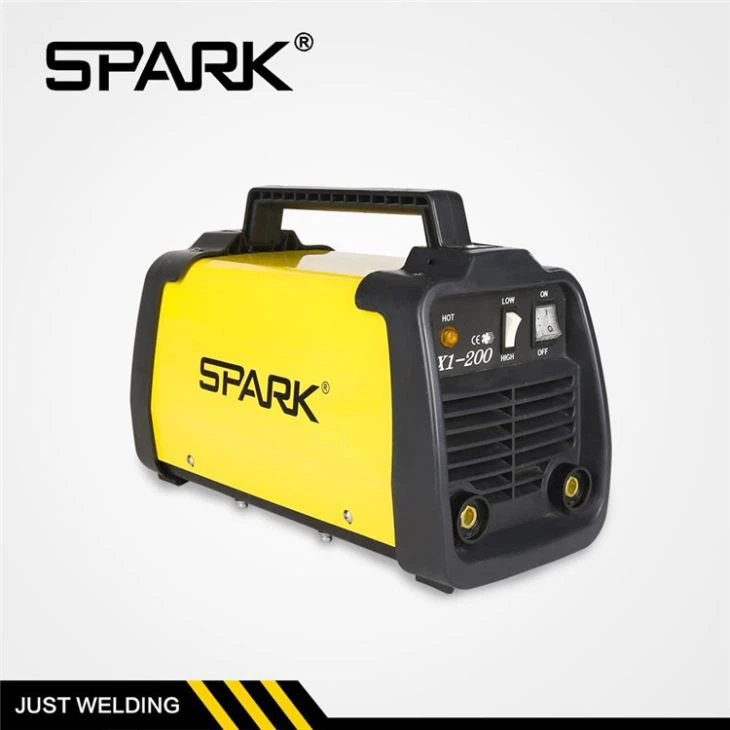
When connecting the BX1 - 200C AC Welding Machine to the power source, make sure to follow the manufacturer's instructions carefully. The welding machine should be connected to a properly grounded electrical outlet. Grounding is a crucial safety measure that helps to prevent electrical shocks by providing a path for the electrical current to flow safely to the ground in case of a fault.
Set the appropriate welding current according to the thickness and type of the metal being welded. Incorrect current settings can result in poor weld quality, overheating of the welding machine, and increased risk of accidents. Refer to the welding machine's manual or a welding chart for the recommended current settings.
Welding Process
During the welding process, maintain a safe distance from the welding arc. The intense heat and light generated by the arc can cause burns and eye damage if the operator is too close. Keep a distance of at least 18 inches from the arc to minimize the risk.
Avoid touching the welding electrode or the workpiece with bare hands while the welding machine is operating. The electrode and the workpiece can be electrically charged, and touching them can lead to electric shocks. Use welding pliers or other appropriate tools to handle the electrode.
Be aware of the surroundings and ensure that there are no flammable materials nearby. Sparks and hot metal can easily ignite flammable substances, such as paper, wood, or gasoline, leading to fires. Clear the area around the welding site and have a fire extinguisher readily available in case of an emergency.
Post - operation Procedures
After completing the welding work, turn off the welding machine and unplug it from the power source. Allow the welding machine and the electrodes to cool down before handling them. This helps to prevent burns and reduces the risk of electrical hazards.
Inspect the welding area for any signs of fire or hot spots. Sometimes, sparks can land in hidden areas and start a fire later. Make sure to check thoroughly and extinguish any potential fires immediately.
Clean the welding machine and the work area. Remove any welding spatter, slag, and debris from the machine and the surrounding area. This not only keeps the work area clean but also helps to prevent the accumulation of flammable materials.
Maintenance and Troubleshooting
Regular maintenance of the BX1 - 200C AC Welding Machine is essential for its safe and efficient operation. Clean the machine regularly to remove dust and dirt, which can affect its performance and cause overheating. Check the internal components, such as the transformer and the circuit board, for any signs of damage or wear. Replace any worn - out parts promptly to prevent malfunctions.
If the welding machine malfunctions or shows any abnormal symptoms, such as unusual noises, overheating, or loss of power, stop using it immediately and disconnect it from the power source. Do not attempt to repair the welding machine yourself unless you have the necessary skills and knowledge. Contact a qualified technician or the manufacturer's customer service for assistance.
Related Products
If you are interested in other types of welding machines, we also offer BX1 - 200B AC Welding Machine and BX1 - 200A AC Welding Machine. These machines have their own unique features and advantages, suitable for different welding requirements. Additionally, our Plastic AC Transformer Welding Machine is a great option for welding plastic materials.
Conclusion
Operating the BX1 - 200C AC Welding Machine safely is of utmost importance. By following the pre - operation preparation, proper power connection and setup, safe welding process, post - operation procedures, and regular maintenance, operators can significantly reduce the risk of accidents and ensure a long - lasting and efficient performance of the welding machine. If you have any questions about the BX1 - 200C AC Welding Machine or are interested in purchasing it, please feel free to contact us for further discussion and negotiation.
References
- Manufacturer's manual of BX1 - 200C AC Welding Machine
- Welding safety guidelines from industry standards