



MIG (Metal Inert Gas) flux wire welding is a highly efficient and widely used welding process, favored for its ability to produce high - quality welds in various industrial applications. However, one of the challenges associated with this process is the generation of slag. As a MIG flux wire supplier, I understand the importance of addressing this issue effectively to ensure smooth welding operations and satisfactory results for our customers. In this blog, I will share some practical methods on how to deal with the slag produced during MIG flux wire welding.
Understanding the Nature of Slag in MIG Flux Wire Welding
Before delving into the solutions, it is crucial to understand what slag is and why it forms during MIG flux wire welding. Slag is a by - product of the welding process. When the flux in the MIG flux wire melts, it reacts with impurities in the base metal and the surrounding atmosphere. This reaction forms a layer of slag on the surface of the weld bead. The slag serves several purposes, such as protecting the weld from oxidation, reducing spatter, and improving the shape and quality of the weld. However, if not properly managed, it can also cause problems.
Problems Caused by Improper Slag Handling
If the slag is not removed correctly, it can lead to several issues. Firstly, it can affect the appearance of the weld. A thick or uneven layer of slag can make the weld look rough and unprofessional. Secondly, it can compromise the integrity of the weld. Trapped slag between weld layers can create weak points, reducing the strength and durability of the joint. Moreover, in some applications where the weld needs to be painted or coated later, the presence of slag can prevent proper adhesion of the coating, leading to premature corrosion.
Methods to Deal with Slag
1. Selecting the Right Welding Equipment
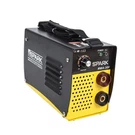
The choice of welding equipment plays a significant role in slag management. High - quality welding machines can provide more stable arcs and better control over the welding process, which in turn can reduce the amount of slag produced. For example, the MIG - 250 Inverter Welding Machine is designed with advanced technology to ensure a consistent and efficient welding process. It offers precise control over parameters such as voltage and current, which helps in minimizing slag formation. Similarly, the Multifunction MIG Welding Machine provides multiple welding modes, allowing welders to adjust the process according to the specific requirements of the job, thus optimizing slag production.


2. Choosing the Appropriate MIG Flux Wire
As a MIG flux wire supplier, I know that different types of MIG flux wires produce different amounts and qualities of slag. When selecting a MIG flux wire, factors such as the base metal, welding position, and desired weld quality should be considered. For instance, some flux wires are formulated to produce less slag, which is ideal for applications where slag removal is difficult or time - consuming. Our MIG Flux Wire is available in a variety of formulations to meet the diverse needs of our customers. By choosing the right wire, welders can significantly reduce the amount of slag generated during the welding process.
3. Proper Welding Techniques
The way a welder performs the welding operation also has a great impact on slag management. Here are some key techniques:
- Angle of the Welding Gun: Maintaining the correct angle of the welding gun is crucial. A proper angle helps in directing the molten metal and slag flow. Generally, a 10 - 15 - degree drag angle is recommended for MIG flux wire welding. This angle allows the slag to flow behind the weld pool, making it easier to remove later.
- Travel Speed: The travel speed of the welding gun affects the thickness and distribution of the slag. A too - slow travel speed can result in a thick layer of slag, while a too - fast speed may cause incomplete fusion and uneven slag formation. Welders should find the optimal travel speed based on the type of base metal, wire diameter, and welding current.
- Weaving Technique: In some cases, using a weaving technique can help in spreading the slag more evenly. This is especially useful when welding wider joints. By moving the welding gun in a controlled pattern, the slag can be distributed over a larger area, making it easier to remove.
4. Post - Welding Slag Removal
After the welding is completed, the slag needs to be removed. There are several methods for slag removal:
- Chipping Hammer: A chipping hammer is a common tool for removing slag. It is used to break the slag layer by striking it with the hammer. However, care should be taken not to damage the weld surface.
- Wire Brush: A wire brush can be used to clean the remaining slag particles after chipping. It is effective in removing loose slag and also helps in preparing the weld surface for further processing, such as painting or coating.
- Grinding: For more stubborn slag or when a smooth surface finish is required, grinding can be used. However, grinding should be done carefully to avoid over - grinding and damaging the weld.
Regular Maintenance and Quality Control
To ensure effective slag management in the long run, regular maintenance of the welding equipment and quality control of the welding process are essential. Welding machines should be serviced regularly to ensure their proper functioning. This includes checking the power supply, cleaning the contact tips, and replacing worn - out parts. Quality control measures should be implemented to monitor the weld quality and slag removal. This can involve visual inspection, non - destructive testing, and measuring the thickness of the remaining slag.
Conclusion
Dealing with the slag produced during MIG flux wire welding is a multi - faceted task that requires a combination of the right equipment, appropriate welding materials, proper techniques, and effective post - welding removal methods. As a MIG flux wire supplier, I am committed to providing our customers with high - quality products and technical support to help them overcome the challenges associated with slag management. If you are interested in learning more about our MIG Flux Wire or need advice on slag management in your welding operations, please feel free to contact us for procurement and further discussion.
References
- AWS Welding Handbook, American Welding Society
- Welding Metallurgy and Weldability of Stainless Steels, John C. Lippold and David J. Kotecki
- Modern Welding Technology, Larry Jeffus