

Yo! As a supplier of Digital MMA Welding Machines, I've been getting a bunch of questions about electrode drying requirements. So, I thought I'd break it down for y'all in this blog post.
First off, let's talk about why electrode drying is even a big deal. When electrodes absorb moisture from the air, it can cause all sorts of problems during welding. Moisture in the electrodes can lead to porosity in the weld, which weakens the joint. It can also cause excessive spatter, making the welding process messy and less efficient. Plus, it can result in a less stable arc, which affects the overall quality of the weld.
Now, the drying requirements for electrodes used in a Digital MMA Welding Machine can vary depending on a few factors. The type of electrode is a major one. Different electrodes have different sensitivities to moisture. For example, low-hydrogen electrodes are super sensitive to moisture and require strict drying procedures. These electrodes are often used in high-strength and critical applications where the quality of the weld is of utmost importance.
The storage conditions of the electrodes also play a role. If the electrodes are stored in a humid environment, they're more likely to absorb moisture. So, it's crucial to store them in a dry place. A good practice is to keep them in a sealed container or a desiccator to prevent moisture from getting to them.
Another factor is the time the electrodes have been exposed to the air. The longer they're out in the open, the more moisture they'll absorb. So, it's best to use them as soon as possible after taking them out of storage.
Let's get into the actual drying process. For low-hydrogen electrodes, they usually need to be dried at a specific temperature for a certain period of time. The temperature can range from around 250°C to 450°C (482°F to 842°F), and the drying time can be anywhere from 1 to 4 hours. It's important to follow the manufacturer's recommendations for the specific electrode you're using.
Once the electrodes are dried, they need to be kept in a holding oven at a lower temperature, usually around 50°C to 100°C (122°F to 212°F), to prevent them from reabsorbing moisture. This holding oven ensures that the electrodes remain dry until they're ready to be used.
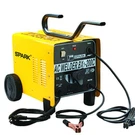
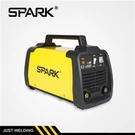
Now, let's talk about our Digital MMA Welding Machines. We've got some great models that are designed to work efficiently with properly dried electrodes. Take our MMA-250 Inverter Welding Machine. It's a reliable and powerful machine that can handle a variety of welding tasks. With its advanced digital technology, it provides a stable arc and excellent welding performance.
Our Digital MMA New Technology is another great option. It incorporates the latest advancements in welding technology to ensure high-quality welds. The digital controls make it easy to adjust the welding parameters, and it's compatible with different types of electrodes.
If you're looking for a machine for professional industrial use, our 3 Phase Professional Industrial-use MMA is the way to go. It's built to handle heavy-duty welding jobs and can work with large electrodes.
To sum it up, electrode drying is a crucial step in the welding process when using a Digital MMA Welding Machine. By following the proper drying procedures, you can ensure high-quality welds and improve the efficiency of your welding operations.
If you're interested in our Digital MMA Welding Machines or have any questions about electrode drying requirements, feel free to reach out to us for a procurement discussion. We're here to help you find the right solution for your welding needs.
References


- Welding Handbook, American Welding Society
- Electrode Manufacturer's Technical Guides