




Hey there, welding enthusiasts! I'm a supplier of TIG welding machines, and I'm super stoked to share with you how these bad boys work. TIG welding, or Tungsten Inert Gas welding, is a pretty cool process that's used in a whole bunch of industries, from automotive to aerospace. So, let's dive right in and explore the ins and outs of TIG welding machines.
First off, let's talk about the basic components of a TIG welding machine. You've got the power source, the welding torch, the gas supply, and the electrode. The power source is like the heart of the machine. It provides the electrical energy needed to create the welding arc. There are different types of power sources, but most modern TIG welding machines use either direct current (DC) or alternating current (AC). DC is great for welding materials like steel and stainless steel, while AC is often used for welding aluminum.
The welding torch is where the action happens. It holds the tungsten electrode and directs the flow of the shielding gas. The shielding gas is super important because it protects the weld area from atmospheric contamination. Argon is the most commonly used shielding gas for TIG welding, but sometimes helium or a mixture of the two is used, depending on the material being welded.
The tungsten electrode is what creates the welding arc. It's made of tungsten because it has a really high melting point, which means it can withstand the intense heat of the arc without melting. The electrode is usually pointed at the tip to help focus the arc.
Now, let's get into how the whole process works. When you turn on the TIG welding machine, the power source sends an electrical current through the tungsten electrode. This creates a high-temperature arc between the electrode and the workpiece. The heat from the arc melts the base metal and any filler metal that you're using, creating a weld pool.


As the weld pool forms, the shielding gas flows out of the welding torch and surrounds the weld area. This protects the molten metal from oxygen, nitrogen, and other contaminants in the air, which could cause defects in the weld.
One of the really cool things about TIG welding is that it gives you a lot of control over the welding process. You can adjust the amperage, the gas flow rate, and the pulse settings to get the perfect weld for your project. This makes it a great choice for welding thin materials or for making precise, high-quality welds.
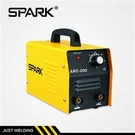
Let's take a closer look at some of the different types of TIG welding machines that we offer. If you're looking to weld aluminum, our AC/DC TIG for Welding Aluminium is a great option. It can switch between AC and DC modes, so you can use it for a variety of materials.
For industrial applications, our Industrial 380V Professional TIG for Welding Aluminium is a real workhorse. It's designed to handle heavy-duty welding jobs and can provide a stable and powerful welding arc.
And if you're looking for a stylish and user-friendly TIG welding machine, check out our Plastic Panel Design Popular TIG Welding Machine. It has a modern design and easy-to-use controls, making it a great choice for both beginners and experienced welders.
When you're using a TIG welding machine, there are a few things to keep in mind. First, make sure you're wearing the right safety gear. This includes a welding helmet, gloves, and protective clothing. The welding arc can produce intense light and heat, so it's important to protect yourself.
Second, clean the workpiece before you start welding. Any dirt, oil, or rust on the surface can affect the quality of the weld. You can use a wire brush or a solvent to clean the surface.
Third, practice your technique. TIG welding takes some skill and practice to master. Start by welding on some scrap metal to get a feel for the process and to learn how to control the welding arc.
In conclusion, TIG welding machines are an amazing tool for creating high-quality welds. Whether you're a professional welder or a hobbyist, there's a TIG welding machine out there that's perfect for your needs. If you're interested in purchasing a TIG welding machine or have any questions about our products, don't hesitate to reach out. We're here to help you find the right machine for your project and to provide you with all the support you need.
References
- "Welding Handbook", American Welding Society
- "TIG Welding Basics", various industry publications