



Hey there! As a supplier of MIG MAG welding machines, I often get asked about the differences between small - scale and large - scale MIG MAG welding machines. Well, let's dive right in and break it down.
1. Size and Portability
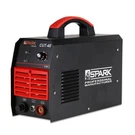
First off, the most obvious difference is the size. Small - scale MIG MAG welding machines are, well, small. They're usually compact and lightweight, making them super easy to move around. You can just pick them up and take them to different job sites without much hassle. For example, if you're a DIYer working on small projects around your home or a small - scale contractor doing repairs in various locations, a small - scale machine is your best bet.
On the other hand, large - scale MIG MAG welding machines are huge. They're built to stay in one place, usually in a large workshop or a factory. Their size is due to the fact that they need to handle high - power operations, and they come with bigger components to support that. Moving a large - scale machine is a whole different ballgame. It often requires special equipment like forklifts or cranes, and it's a time - consuming process.


2. Power and Welding Capacity
Power is a major differentiator. Small - scale MIG MAG welding machines typically have lower power outputs. They're designed for thin materials, usually up to a few millimeters in thickness. For instance, they can be great for welding thin sheets of metal in automotive body repairs or small metal art projects. The lower power also means they consume less electricity, which is a plus if you're working on a budget or in an area with limited power supply.
Large - scale MIG MAG welding machines, however, pack a punch. They have high - power outputs that can handle thick metal pieces. These machines can weld materials that are several centimeters thick, which is crucial in industries like shipbuilding, heavy machinery manufacturing, and large - scale construction. With their high power, they can deposit more filler metal in a shorter time, increasing the welding speed and efficiency for large - scale projects.
3. Cost
Cost is always a consideration. Small - scale MIG MAG welding machines are generally more affordable. They're a great option for those who are just starting out in welding or for small businesses with a limited budget. You can find decent small - scale machines at a relatively low price, and they also have lower maintenance costs. Since they have fewer and smaller components, replacing parts is usually cheaper.
Large - scale MIG MAG welding machines, on the other hand, are expensive. The initial purchase price is high because of the advanced technology and high - quality components they use. Additionally, the maintenance costs are also significant. They require regular servicing, and replacing parts can be costly due to their size and complexity.
4. Control and Features
Small - scale MIG MAG welding machines usually come with basic controls. They're simple to operate, making them suitable for beginners. You can easily adjust the welding current and voltage to suit the thickness of the material you're working on. Some small - scale machines may have limited features, but they still get the job done for small - scale projects.
Large - scale MIG MAG welding machines, in contrast, are equipped with advanced control systems. They offer a wide range of features such as programmable welding parameters, automated wire feeding, and real - time monitoring. These features allow for precise control over the welding process, which is essential for high - quality welds in large - scale industrial applications.
5. Duty Cycle
The duty cycle is an important factor. It refers to the amount of time a welding machine can operate continuously within a 10 - minute period. Small - scale MIG MAG welding machines typically have a lower duty cycle. For example, a small - scale machine might have a duty cycle of 20% at a certain amperage, which means it can operate for 2 minutes out of every 10 - minute period without overheating. This is fine for short - burst welding tasks.
Large - scale MIG MAG welding machines have a higher duty cycle. They can operate continuously for longer periods, sometimes up to 100% duty cycle at their rated amperage. This is necessary for large - scale projects where continuous welding is required without frequent breaks for the machine to cool down.
Some of Our Product Examples
We offer a variety of MIG MAG welding machines to suit different needs. If you're looking for a small - scale option, our Gasless MIG Welding Machine is a great choice. It's portable, easy to use, and perfect for small - scale projects without the need for external gas.
For those who need a bit more power and features, our Single PCB MIG Welding Machine with Separate Torch is a good option. It offers better control and performance for medium - sized projects.
If you're in the market for a large - scale machine, our Three PCB MIG Welding Machine is designed to handle heavy - duty tasks with high - power output and advanced features.
Conclusion
In conclusion, the choice between a small - scale and large - scale MIG MAG welding machine depends on your specific needs. If you're a hobbyist or a small - business owner working on thin materials and short - term projects, a small - scale machine is the way to go. But if you're in a large - scale industrial setting, dealing with thick materials and continuous welding requirements, a large - scale machine is essential.
If you're interested in purchasing a MIG MAG welding machine or have any questions about our products, feel free to reach out to us. We're here to help you find the perfect welding solution for your needs.
References
- AWS Welding Handbook: Volume 1 - Welding Science and Technology
- Miller Electric Welding Manual
- Lincoln Electric Technical Guide