




Hey there! As a supplier of the BX1 - 200C AC Welding Machine, I often get asked about the welding thickness range of this nifty piece of equipment. So, I thought I'd sit down and write this blog to share all the details with you.
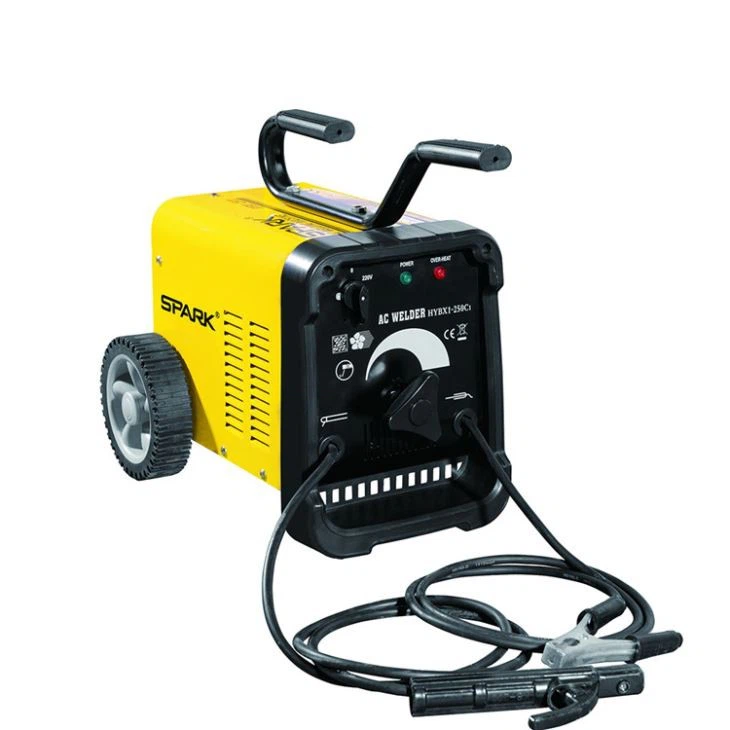
First off, let's talk a bit about the BX1 - 200C AC Welding Machine itself. It's a pretty popular choice in the market, and for good reasons. It's reliable, efficient, and can handle a variety of welding tasks. You can check out more about it on our website: BX1-200C AC Welding Machine.
Now, onto the main question - what's the welding thickness range of the BX1 - 200C? Well, the welding thickness that this machine can handle depends on a few factors. One of the most important factors is the type of electrode you're using. Different electrodes have different capabilities when it comes to welding different thicknesses of metal.
Generally speaking, the BX1 - 200C AC Welding Machine can weld metal with a thickness ranging from about 1.5 mm to 6 mm. For thinner metals, say around 1.5 mm to 2 mm, you'll want to use a smaller diameter electrode. A 2.0 mm or 2.5 mm electrode usually works well for these thin pieces. The machine allows you to adjust the current to a relatively low setting, which is crucial for welding thin metals without burning through them.
When you're dealing with medium - thickness metals, in the range of 2 mm to 4 mm, you can step up to a 3.2 mm electrode. The BX1 - 200C can provide the right amount of current to melt the electrode and the base metal properly, creating a strong and clean weld. You'll need to adjust the current settings according to the specific requirements of the metal and the electrode you're using.
For thicker metals, around 4 mm to 6 mm, a 4.0 mm electrode is often a good choice. At this thickness, the machine needs to deliver a higher current to ensure that the weld penetrates deep enough into the metal. The BX1 - 200C is designed to handle these higher current demands, but you still need to be careful with your technique. Proper pre - heating of the metal can also be beneficial when welding thicker pieces to reduce the risk of cracking.
It's important to note that these are just general guidelines. The actual welding thickness range can also be affected by other factors such as the type of metal (e.g., steel, stainless steel, or aluminum), the welding position (flat, vertical, overhead), and your own welding skills.
If you're new to welding or unsure about which electrode and settings to use for a particular thickness of metal, it's always a good idea to do some test welds on scrap pieces of the same metal. This way, you can get a feel for how the BX1 - 200C performs and make any necessary adjustments.
Now, let's compare the BX1 - 200C with some of our other welding machines. We also have the BX1-200B AC Welding Machine. While the BX1 - 200B is also a great machine, the BX1 - 200C has some advantages when it comes to the welding thickness range. The BX1 - 200C can generally handle a slightly wider range of thicknesses, especially on the thicker end.
Another option we offer is the Portable AC ARC Welding Machine. This machine is more compact and lightweight, making it ideal for on - the - go welding jobs. However, its welding thickness range is a bit more limited compared to the BX1 - 200C. It's better suited for thinner to medium - thickness metals.
In conclusion, the BX1 - 200C AC Welding Machine is a versatile and reliable choice for welding a range of metal thicknesses from 1.5 mm to 6 mm. Whether you're a professional welder or a DIY enthusiast, this machine can meet your welding needs.
If you're interested in purchasing the BX1 - 200C or any of our other welding machines, don't hesitate to reach out. We're here to answer all your questions and help you make the right choice for your welding projects.

References:
- Welding Handbook, American Welding Society
- Manufacturer's manual for BX1 - 200C AC Welding Machine