

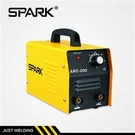


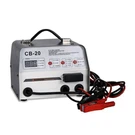

Hey there! As a supplier of chargers and starters, I've seen firsthand the challenges these components face in a marine environment. The salty air, high humidity, and constant exposure to water can really take a toll on them, leading to corrosion and reduced performance. In this blog, I'm gonna share some effective anti - corrosion measures for chargers and starters in a marine setting.
First off, let's understand why corrosion is such a big deal in the marine world. Saltwater is a great conductor of electricity, which speeds up the electrochemical reactions that cause corrosion. When metal parts of chargers and starters come into contact with saltwater or even the moist, salty air, they start to break down. Rust can form on the metal surfaces, and this not only weakens the structure but can also interfere with the electrical connections, leading to malfunctions.
1. Material Selection
One of the most fundamental anti - corrosion measures starts right at the design stage: choosing the right materials. For starters, we can opt for corrosion - resistant metals. Stainless steel is a top choice. It contains chromium, which forms a thin, protective oxide layer on the surface. This layer acts as a barrier, preventing oxygen and water from reaching the underlying metal and thus reducing the risk of rust. When we're making the housing of chargers and starters, using stainless steel can significantly extend their lifespan in a marine environment.
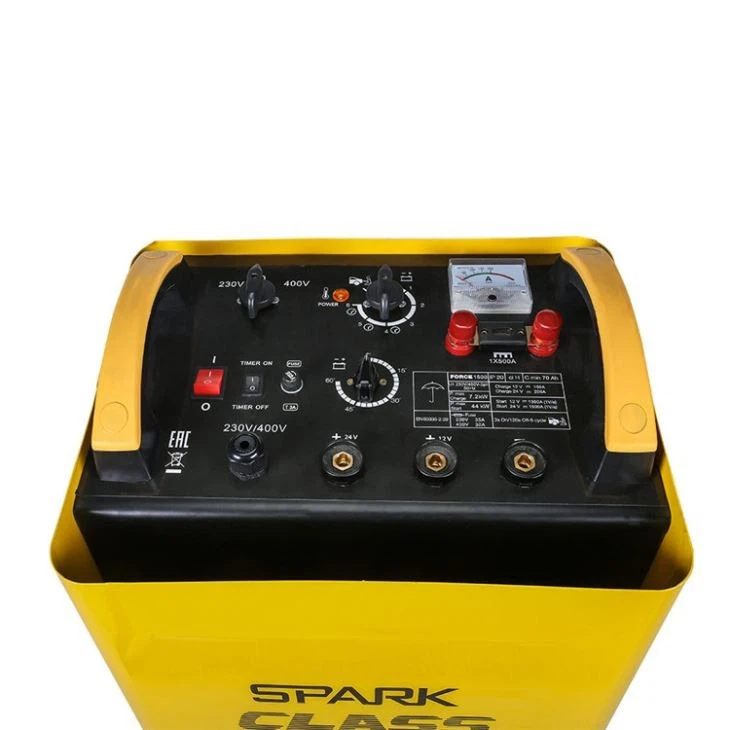
Another option is aluminum. Aluminum also forms a natural oxide layer when exposed to air, which is quite resistant to corrosion. It's lightweight too, which is an added bonus as it can reduce the overall weight of the charger or starter. We use high - grade aluminum alloys in our Industrial Charger and Starter products, ensuring they can withstand the harsh marine conditions.
2. Coating and Painting
Applying protective coatings is a cost - effective way to enhance corrosion resistance. There are several types of coatings available. Epoxy coatings are popular because they form a tough, durable barrier on the metal surface. They can resist water, chemicals, and abrasion. We apply epoxy coatings to the external parts of our chargers and starters, providing an extra layer of protection against the salty marine air.
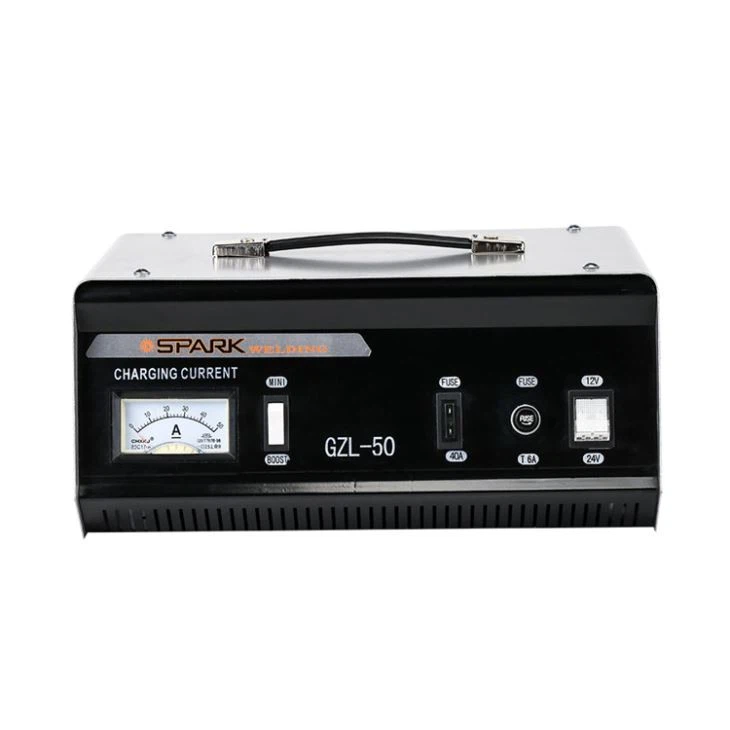
Powder coating is another great option. It's a dry finishing process where a fine powder is electrostatically applied to the metal surface and then cured under heat. The result is a smooth, hard finish that adheres well to the metal and offers excellent corrosion protection. Our Digital Universal Battery Charger models are powder - coated to ensure they stay in good condition even in the toughest marine environments.
Painting can also be effective, especially if the paint is formulated for marine use. Marine paints often contain anti - fouling agents and corrosion inhibitors. They can be applied to the exposed parts of the charger and starter, giving them an added defense against the elements.
3. Sealing and Enclosure
Proper sealing is crucial to prevent water and moisture from getting inside the charger and starter. We use gaskets and seals made from rubber or silicone materials. These materials are flexible and can create a tight seal around the openings of the housing. For example, around the access panels and cable entry points, we install high - quality gaskets to keep water out.
Enclosures also play an important role. We design our chargers and starters with sturdy enclosures that are rated for marine use. They are IP (Ingress Protection) rated, which means they are tested for their ability to resist the ingress of dust and water. Our 6V/12V/24V Battery Charger models come with enclosures that have a high IP rating, ensuring they can withstand splashes, sprays, and even temporary submersion in some cases.
4. Regular Maintenance
Even with all the preventive measures in place, regular maintenance is still essential. Inspecting the chargers and starters periodically can help detect early signs of corrosion. Look for any discoloration, rust spots, or loose connections. If you notice any corrosion, it's important to clean it off as soon as possible.
We recommend using a mild detergent and a soft brush to clean the surface. Avoid using abrasive materials that could damage the protective coatings. After cleaning, dry the components thoroughly to prevent moisture from lingering.
It's also a good idea to check the seals and gaskets regularly. Over time, they can wear out or become damaged. If you find any issues with the seals, replace them immediately to maintain the integrity of the enclosure.
5. Electrical Isolation
Electrical isolation can help reduce the risk of corrosion caused by electrical currents. We can use insulating materials to separate different electrical components within the charger and starter. This prevents the flow of stray electrical currents that could accelerate corrosion.
Using dielectric grease on electrical connections is also a smart move. Dielectric grease is a non - conductive substance that can prevent moisture from getting into the connections and causing corrosion. It also helps to maintain a good electrical contact, ensuring the charger and starter function properly.
6. Cathodic Protection
Cathodic protection is a technique that can be used to protect metal parts from corrosion. There are two types: sacrificial anode cathodic protection and impressed current cathodic protection.
In sacrificial anode cathodic protection, a more reactive metal (such as zinc or magnesium) is attached to the metal part to be protected. The sacrificial anode corrodes instead of the main metal, sacrificing itself to protect the charger or starter components. This is a simple and cost - effective method that can be used in some cases.
Impressed current cathodic protection involves applying an external electrical current to the metal part. This current counteracts the natural corrosion process, keeping the metal from corroding. While it's more complex and expensive than sacrificial anode protection, it can provide more precise control and longer - term protection.
If you're in the market for chargers and starters that can withstand the harsh marine environment, look no further. Our products are designed with all these anti - corrosion measures in mind, ensuring they offer reliable performance and a long lifespan. Whether you need an Industrial Charger and Starter, a Digital Universal Battery Charger, or a 6V/12V/24V Battery Charger, we've got you covered.
Feel free to reach out to us to discuss your specific requirements and start a procurement conversation. We're always happy to help you find the best solutions for your marine applications.
References
- Jones, D. A. (1992). Principles and Prevention of Corrosion. Macmillan Publishing Company.
- Fontana, M. G. (1986). Corrosion Engineering. McGraw - Hill.
- Uhlig, H. H., & Revie, R. W. (1985). Corrosion and Corrosion Control. John Wiley & Sons.