

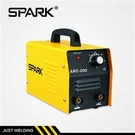


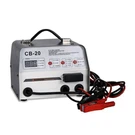

As a supplier of DC Pulse TIG Welding Machines, I often encounter inquiries regarding the water - cooling requirements for these machines. Understanding these requirements is crucial for the optimal performance, longevity, and safety of the welding equipment. In this blog, I will delve into the details of water - cooling requirements for DC Pulse TIG Welding Machines.
Why Water - Cooling is Necessary for DC Pulse TIG Welding Machines
DC Pulse TIG welding involves the use of high - intensity electrical currents to create an arc between the tungsten electrode and the workpiece. This process generates a significant amount of heat. If not properly managed, excessive heat can lead to several problems. It can cause the tungsten electrode to overheat and erode rapidly, which in turn affects the quality of the weld. Overheating can also damage internal components of the welding machine, such as the power supply, transformers, and circuit boards, reducing the machine's lifespan and increasing the likelihood of breakdowns.
Water - cooling provides an efficient way to dissipate this heat. Water has a high specific heat capacity, which means it can absorb a large amount of heat without a significant increase in temperature. By circulating water through the welding torch and other critical components, the heat generated during the welding process can be transferred to the water and carried away, maintaining the components at a safe operating temperature.
Key Water - Cooling Requirements
Water Quality
The quality of the water used in the cooling system is of utmost importance. Impurities in the water, such as minerals, sediment, and dissolved solids, can cause problems in the cooling system. Minerals can accumulate over time and form scale deposits inside the cooling channels, reducing the flow of water and the efficiency of heat transfer. Sediment can clog the small passages in the cooling system, leading to restricted water flow and potential overheating.
It is recommended to use deionized or distilled water in the cooling system. These types of water have a very low level of impurities, which helps to prevent scale formation and clogging. If deionized or distilled water is not available, filtered tap water can be used, but it should be treated with a water - treatment additive to reduce the risk of scale formation.
Water Flow Rate
The water flow rate is another critical factor. A sufficient flow rate is necessary to ensure that enough heat is removed from the components. The required flow rate depends on the power output of the welding machine. Generally, higher - power DC Pulse TIG Welding Machines require a higher water flow rate.


Most manufacturers specify the minimum water flow rate for their welding machines in the user manual. For example, a medium - power DC Pulse TIG Welding Machine might require a water flow rate of around 2 - 3 liters per minute. It is essential to monitor the water flow rate regularly using a flow meter and adjust it as needed to meet the manufacturer's specifications.
Water Temperature
The temperature of the water entering the cooling system also affects the cooling efficiency. If the water temperature is too high, it will not be able to absorb as much heat from the components. On the other hand, if the water temperature is too low, it can cause condensation to form on the components, which can lead to electrical shorts and corrosion.
The ideal water temperature for most DC Pulse TIG Welding Machines is between 10°C and 30°C. To maintain the water temperature within this range, a water - cooling unit with a temperature control feature can be used. This unit can cool or heat the water as necessary to keep it at the optimal temperature.
Pressure
Proper water pressure is required to ensure a consistent water flow through the cooling system. Insufficient pressure can result in low water flow, while excessive pressure can damage the cooling system components, such as hoses and seals.
The recommended water pressure for DC Pulse TIG Welding Machines typically ranges from 1 - 3 bar. A pressure gauge should be installed in the cooling system to monitor the water pressure. If the pressure is outside the recommended range, adjustments can be made using a pressure regulator.
Our DC Pulse TIG Welding Machine Offerings
We offer a wide range of DC Pulse TIG Welding Machines to meet the diverse needs of our customers. Our DC Single Phase TIG Welding Machine is designed for small - to - medium - scale welding applications. It is easy to operate and provides excellent weld quality.
For those who need to weld aluminum, our AC/DC TIG for Welding Aluminium is an ideal choice. It combines the benefits of both AC and DC welding, allowing for efficient and high - quality welding of aluminum and other non - ferrous metals.
Our Plastic Panel Design Popular TIG Welding Machine features a modern and user - friendly design. The plastic panel not only gives the machine an attractive look but also provides good protection for the internal components.
Importance of Adhering to Water - Cooling Requirements
Adhering to the water - cooling requirements is essential for the proper functioning of the DC Pulse TIG Welding Machine. By maintaining the correct water quality, flow rate, temperature, and pressure, you can ensure that the machine operates at its best performance. This leads to higher - quality welds, longer equipment lifespan, and fewer maintenance issues.
Failure to meet the water - cooling requirements can result in a range of problems, from poor weld quality to complete equipment failure. For example, if the water flow rate is too low, the components may overheat, causing the tungsten electrode to melt and the weld to be inconsistent. If the water quality is poor, scale deposits can form, reducing the efficiency of the cooling system and eventually leading to component damage.
Conclusion
In conclusion, understanding and meeting the water - cooling requirements for DC Pulse TIG Welding Machines is crucial for their optimal performance and longevity. By paying attention to water quality, flow rate, temperature, and pressure, you can ensure that your welding machine operates safely and efficiently.
If you are in the market for a high - quality DC Pulse TIG Welding Machine or have any questions about water - cooling requirements, please do not hesitate to contact us. We are here to provide you with the best solutions and support for your welding needs. Let's start a conversation about how our products can meet your specific requirements and take your welding projects to the next level.
References
- Welding Equipment Manufacturer's Manuals
- Industry Standards for Welding Machine Cooling Systems
- Research Papers on Heat Dissipation in Welding Processes