


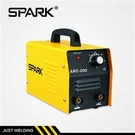


In the world of metal fabrication and industrial cutting, the efficiency of cutting machines is a crucial factor that directly impacts productivity, cost, and the quality of the final product. As a supplier of Single Phase Cutting Machines, I have witnessed firsthand the diverse challenges faced by our customers in achieving optimal cutting efficiency. In this blog post, I will explore various methods to improve the cutting efficiency of a single phase cutting machine, drawing on my experience and industry knowledge.
Understanding Single Phase Cutting Machines
Before delving into the efficiency improvement methods, it's essential to understand the basics of single phase cutting machines. These machines are designed to operate on a single phase power supply, which is commonly available in most industrial and commercial settings. Single phase cutting machines are popular for their simplicity, affordability, and ease of use, making them a preferred choice for small to medium - sized workshops and DIY enthusiasts.
However, compared to Three Phase Cutting Machine, single phase cutting machines may have limitations in terms of power output and cutting capacity. They typically have a lower duty cycle, which means they can only operate continuously for a limited period before needing to cool down. Despite these limitations, with the right techniques and strategies, it is possible to significantly improve their cutting efficiency.
Selecting the Right Cutting Consumables
One of the most fundamental ways to improve cutting efficiency is by selecting the right cutting consumables. Consumables such as electrodes, nozzles, and tips play a crucial role in the cutting process. Using high - quality consumables can lead to cleaner cuts, faster cutting speeds, and longer tool life.
For example, when using a plasma cutting machine, the choice of nozzle can greatly affect the cutting performance. A well - designed nozzle can focus the plasma arc more precisely, resulting in a narrower kerf (the width of the cut) and less heat - affected zone. Similarly, high - quality electrodes can provide a more stable arc, reducing the risk of arc wandering and improving the overall cutting quality.
It's also important to ensure that the consumables are properly sized for the cutting machine and the material being cut. Using the wrong size consumables can lead to inefficient cutting, increased wear and tear, and poor cut quality. Regularly inspecting and replacing worn - out consumables is also essential to maintain optimal cutting performance.
Optimizing Cutting Parameters
Another key factor in improving cutting efficiency is optimizing the cutting parameters. Cutting parameters such as cutting speed, current, and voltage need to be carefully adjusted based on the material type, thickness, and the type of cutting process.
For instance, when cutting thick materials, a lower cutting speed and higher current may be required to ensure a complete cut. On the other hand, when cutting thin materials, a higher cutting speed and lower current can be used to achieve faster cuts without sacrificing cut quality. Experimenting with different cutting parameters and keeping a record of the results can help in finding the optimal settings for different materials and applications.
In addition to adjusting the basic cutting parameters, some single phase cutting machines also offer advanced features such as adjustable arc force and pre - flow/post - flow settings. These features can be fine - tuned to further optimize the cutting process. For example, adjusting the arc force can help in controlling the penetration of the arc, especially when cutting materials with uneven surfaces.
Maintaining the Cutting Machine
Regular maintenance is essential for ensuring the long - term efficiency and reliability of a single phase cutting machine. A well - maintained machine will perform better, have fewer breakdowns, and require less frequent repairs.
This includes cleaning the machine regularly to remove dust, debris, and metal shavings that can accumulate over time. Paying special attention to the cooling system is also crucial, as overheating can significantly reduce the cutting efficiency and shorten the lifespan of the machine. Checking and tightening electrical connections, lubricating moving parts, and inspecting hoses and cables for damage are also important maintenance tasks.
Calibrating the cutting machine periodically is another important aspect of maintenance. Calibration ensures that the machine is operating within the specified tolerances, which is essential for accurate and efficient cutting. Many modern cutting machines come with self - diagnostic features that can help in identifying potential issues early on.
Operator Training and Skill Development
The skill and knowledge of the operator also play a significant role in the cutting efficiency of a single phase cutting machine. Well - trained operators are more likely to use the machine correctly, select the right cutting parameters, and troubleshoot common problems.
Providing comprehensive training to operators on the proper use and maintenance of the cutting machine is essential. This training should cover topics such as safety procedures, machine operation, cutting techniques, and consumable selection. Additionally, encouraging operators to stay updated with the latest industry trends and technologies can also help in improving their skills and knowledge.
Regularly conducting skill - development programs and workshops can further enhance the operators' abilities. These programs can include hands - on training, demonstrations of new cutting techniques, and discussions on best practices in the industry.
Using Advanced Cutting Technologies
Some single phase cutting machines are equipped with advanced cutting technologies that can significantly improve cutting efficiency. For example, inverter - based cutting machines offer several advantages over traditional transformer - based machines. High Duty Cycle Inverter Cutting Machine can provide a more stable and efficient power supply, allowing for faster cutting speeds and better control over the cutting process.
Inverter technology also enables the machine to be more energy - efficient, reducing operating costs in the long run. Additionally, some inverter cutting machines come with features such as digital controls and programmable settings, which make it easier for operators to adjust the cutting parameters accurately.
Another advanced technology is the use of CNC (Computer Numerical Control) systems. Although traditionally associated with larger, more complex cutting machines, some single phase cutting machines can also be integrated with CNC systems. A CNC system allows for precise control of the cutting path, enabling automated and repeatable cuts. This can significantly improve cutting efficiency, especially when dealing with complex shapes and patterns.
Improving Workflow and Layout
The workflow and layout of the cutting area can also have a significant impact on cutting efficiency. A well - organized workspace can reduce the time spent on material handling, tool changes, and setup tasks.
For example, arranging the materials and tools in a logical and accessible manner can minimize the time wasted in searching for items. Having a dedicated area for material preparation, such as cleaning and marking, can also streamline the cutting process. Additionally, implementing a just - in - time inventory system for cutting consumables can ensure that the necessary supplies are always available when needed, reducing downtime.
Using jigs and fixtures can also improve the cutting efficiency by holding the material securely in place during the cutting process. This can prevent material movement, resulting in more accurate cuts and faster cutting speeds.
Utilizing 3 - in - 1 Cutting Equipment
Some single phase cutting machines offer 3 - in - 1 functionality, such as 3 in 1 ARC TIG Cutting Equipment. These machines can perform multiple cutting processes, such as arc cutting, TIG (Tungsten Inert Gas) cutting, and sometimes even plasma cutting, in a single unit.
The advantage of using 3 - in - 1 equipment is that it eliminates the need to switch between different machines for different cutting tasks. This can save time, reduce the amount of equipment required in the workshop, and increase overall productivity. For example, if a project requires both arc welding and TIG cutting, a 3 - in - 1 machine can handle both tasks without the need for separate machines.


Conclusion
Improving the cutting efficiency of a single phase cutting machine requires a combination of proper selection of consumables, optimization of cutting parameters, regular maintenance, operator training, and the use of advanced technologies and efficient workflows. By implementing these strategies, it is possible to overcome the limitations of single phase cutting machines and achieve significant improvements in productivity, cut quality, and cost - effectiveness.
If you are looking to enhance the cutting efficiency of your single phase cutting machine or are in the market for a new cutting machine, I invite you to contact us. Our team of experts can provide you with personalized advice and solutions based on your specific needs and requirements. We are committed to helping you achieve the best possible results in your cutting operations.
References
- "Metal Cutting Handbook", McGraw - Hill
- "Plasma Cutting Technology: Principles and Applications", Industrial Press
- Manufacturer's manuals and technical documentation for single phase cutting machines