

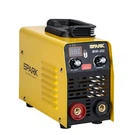
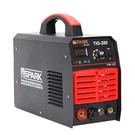
Hey there! As a supplier of TIG welding machines, I'm super stoked to share all about these amazing tools with you. So, what exactly is a TIG welding machine? Well, let's dive right in and break it down.
TIG stands for Tungsten Inert Gas, and it's a type of welding process that's known for its precision and high - quality welds. Unlike some other welding methods, TIG welding uses a non - consumable tungsten electrode to create the arc. This electrode doesn't melt during the welding process, which allows for better control over the heat input and the weld pool.
One of the key components of a TIG welding machine is the power source. The power source provides the electrical energy needed to create the arc between the tungsten electrode and the workpiece. There are different types of power sources available, such as transformer - based, inverter - based, and more. Inverter - based TIG welding machines have become really popular in recent years because they're more energy - efficient, lighter, and offer better control over the welding parameters.
Another important part is the gas supply. In TIG welding, an inert gas, usually argon or a mixture of argon and helium, is used to shield the weld area from atmospheric contamination. This gas forms a protective barrier around the weld pool, preventing oxygen, nitrogen, and other gases from reacting with the molten metal. This results in cleaner, stronger, and more aesthetically pleasing welds.
The torch is where the magic happens. It holds the tungsten electrode and delivers the shielding gas to the weld area. There are different types of TIG torches available, with various sizes and configurations to suit different welding applications. Some torches are designed for light - duty work, while others are built for heavy - duty industrial use.


Now, let's talk about the advantages of using a TIG welding machine. First off, the precision is top - notch. You can make really fine, detailed welds, which is great for applications where aesthetics and quality are crucial, like in jewelry making, aerospace components, and high - end automotive parts. TIG welding also allows for welding a wide range of metals, including stainless steel, aluminum, copper, and titanium. This versatility makes it a go - to choice for many welders.
However, TIG welding isn't without its challenges. It requires a higher level of skill and practice compared to other welding methods. Controlling the torch, the filler rod (if used), and the welding parameters simultaneously can be tricky. But once you master it, the results are totally worth it.
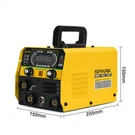
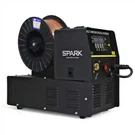
At our company, we offer a variety of TIG welding machines to meet different needs. For example, we have the Industrial 380V Professional TIG for Welding Aluminium. This machine is specifically designed for industrial applications where you need to weld aluminum. It has a powerful 380V power source that can handle thick aluminum sheets with ease.
We also have the Plastic Panel Design Popular TIG Welding Machine. This machine has a sleek plastic panel design, which not only looks good but also makes it easy to operate. It's a great choice for hobbyists and small - scale welding projects.
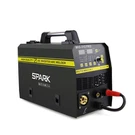
And then there's the AC/DC TIG for Welding Aluminium. This machine offers both AC (alternating current) and DC (direct current) capabilities. AC is ideal for welding aluminum because it helps to clean the oxide layer on the surface of the aluminum, while DC is better for welding other metals like stainless steel.
When choosing a TIG welding machine, there are a few things you should consider. First, think about the type of metals you'll be welding. Different metals require different welding parameters, so make sure the machine you choose can handle the metals you work with. Also, consider the thickness of the materials. Thicker materials may require a more powerful machine.
The duty cycle is another important factor. The duty cycle refers to the amount of time a welding machine can operate continuously within a 10 - minute period. For example, a machine with a 60% duty cycle at 150 amps can weld for 6 minutes out of every 10 minutes at 150 amps. If you're doing a lot of continuous welding, you'll want a machine with a higher duty cycle.
Price is always a consideration too. You don't want to overspend, but at the same time, you get what you pay for. A high - quality TIG welding machine may cost more upfront, but it'll likely last longer and perform better in the long run.
If you're new to TIG welding, I recommend starting with a basic machine and practicing on scrap materials. There are also plenty of online resources, tutorials, and welding courses available to help you learn the ropes.
In conclusion, a TIG welding machine is a powerful and versatile tool that can open up a world of possibilities for welders. Whether you're a professional welder looking for a reliable industrial machine or a hobbyist just starting out, there's a TIG welding machine out there for you. If you're interested in purchasing a TIG welding machine or have any questions about our products, feel free to reach out to us. We're here to help you find the perfect machine for your needs and get you started on your welding journey.
References:
- Welding Handbook, American Welding Society
- TIG Welding Basics, Various Online Welding Communities