


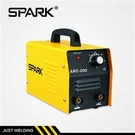


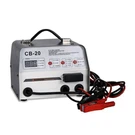
Hey there, fellow welders! As a supplier of TIG welding machines, I've seen my fair share of issues when it comes to these nifty pieces of equipment not starting. It can be super frustrating, especially when you're in the middle of a project. But don't worry, I'm here to walk you through some troubleshooting steps to get your TIG welding machine up and running again.
1. Check the Power Supply
The first thing you gotta do is make sure your welding machine is actually getting power. Sounds obvious, right? But you'd be surprised how many times it's just a loose plug or a tripped breaker.


- Inspect the Power Cord: Take a good look at the power cord for any signs of damage, like cuts, frays, or exposed wires. If you find any issues, it's best to replace the cord before you go any further. You don't want to risk an electrical hazard.
- Verify the Outlet: Plug something else into the same outlet to see if it's working. If the other device doesn't work, it could be a problem with the outlet itself. Check the circuit breaker or fuse box to see if a breaker has tripped or a fuse has blown. Reset the breaker or replace the fuse if necessary.
- Use a Voltage Tester: If you have a voltage tester, you can use it to check if the outlet is providing the correct voltage. Most TIG welding machines require a specific voltage to operate, so make sure the outlet is supplying the right amount.
2. Examine the Control Panel
Once you've confirmed that the power supply is working, it's time to take a look at the control panel of your TIG welding machine.
- Check the On/Off Switch: Make sure the on/off switch is in the "on" position. Sometimes, it can accidentally get turned off, especially if the machine has been moved or bumped.
- Verify the Settings: Double-check all the settings on the control panel. Make sure the amperage, voltage, and other settings are appropriate for the type of welding you're doing. Incorrect settings can prevent the machine from starting.
- Look for Error Codes: Some TIG welding machines have an error code display on the control panel. If you see an error code, refer to the machine's manual to find out what it means and how to fix it.
3. Inspect the Torch and Grounding
The torch and grounding are crucial components of a TIG welding machine. If there are any issues with them, the machine may not start.
- Check the Torch Connection: Make sure the torch is properly connected to the welding machine. A loose or faulty connection can prevent the machine from starting. Inspect the torch cable for any damage, and tighten the connections if necessary.
- Inspect the Tungsten Electrode: The tungsten electrode in the torch needs to be in good condition. If it's worn out, damaged, or contaminated, it can cause problems with the arc starting. Replace the tungsten electrode if needed.
- Verify the Grounding: A proper ground connection is essential for a TIG welding machine to work correctly. Check the grounding cable to make sure it's securely connected to the workpiece and the welding machine. A loose or poor ground connection can prevent the machine from starting or cause an unstable arc.
4. Check the Gas Supply
TIG welding requires a shielding gas to protect the weld from oxidation. If there's a problem with the gas supply, the machine may not start or may not produce a good weld.
- Inspect the Gas Cylinder: Make sure the gas cylinder is full and the valve is open. Check the pressure gauge on the regulator to see if there's enough gas in the cylinder. If the pressure is low, you may need to refill the cylinder.
- Check the Gas Hose: Inspect the gas hose for any damage, like cracks or leaks. A damaged gas hose can cause a loss of gas pressure, which can prevent the machine from starting. Replace the gas hose if necessary.
- Verify the Gas Flow Rate: The gas flow rate needs to be set correctly for the type of welding you're doing. Refer to the machine's manual to find the recommended gas flow rate, and adjust the regulator accordingly.
5. Look for Internal Issues
If you've checked all the external components and the machine still won't start, there could be an internal issue.
- Inspect the Fuses and Circuit Breakers: Inside the welding machine, there are usually fuses and circuit breakers that protect the electrical components. Check these fuses and circuit breakers to see if any of them have blown or tripped. Replace the blown fuses or reset the tripped circuit breakers if necessary.
- Check for Loose Connections: Open the welding machine's case (if you're comfortable doing so) and look for any loose connections. Vibrations during transportation or use can cause wires to come loose. Tighten any loose connections you find.
- Look for Burned Components: Inspect the internal components of the welding machine for any signs of burning or damage. Burned components can indicate a more serious problem, and you may need to replace them. If you're not familiar with electrical repairs, it's best to take the machine to a professional technician.
Our TIG Welding Machines
At our company, we offer a wide range of high-quality TIG welding machines to suit your needs. Whether you're a professional welder or a DIY enthusiast, we have the perfect machine for you.
- DC Single Phase TIG Welding Machine: This machine is ideal for welding mild steel, stainless steel, and other metals. It offers precise control and a stable arc, making it a great choice for both beginners and experienced welders.
- AC/DC TIG for Welding Aluminium: If you need to weld aluminium, this machine is the way to go. It can switch between AC and DC modes, allowing you to weld aluminium and other metals with ease.
- DC New Technology TIG Welding Machine: This machine features the latest technology, providing enhanced performance and reliability. It's designed to be user-friendly and efficient, making your welding projects a breeze.
Contact Us for Purchase and Consultation
If you're having trouble with your TIG welding machine or if you're interested in purchasing a new one, don't hesitate to contact us. Our team of experts is here to help you find the right machine for your needs and provide you with the support you need to keep it running smoothly. Whether you have questions about troubleshooting, product features, or pricing, we're just a message away.
References
- Miller Electric Mfg. Co. "Troubleshooting Guide for TIG Welders."
- Lincoln Electric. "Common Problems and Solutions for TIG Welding Machines."