





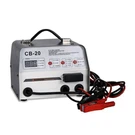
As a supplier of Three Phase Cutting Machines, I understand the importance of optimizing the performance of these powerful tools. In this blog post, I'll share some valuable insights and practical tips on how to get the most out of your three-phase cutting machine.
Understanding the Basics of Three-Phase Cutting Machines
Before delving into optimization strategies, it's crucial to have a solid understanding of what a three-phase cutting machine is and how it operates. Three-phase cutting machines are designed to handle heavy-duty cutting tasks with precision and efficiency. They are powered by a three-phase electrical supply, which provides a more stable and consistent power output compared to single-phase machines. This makes them ideal for industrial applications where high cutting speeds and power are required.
If you're interested in learning more about single-phase alternatives, you can check out our Single Phase Cutting Machine page.
Regular Maintenance
One of the most effective ways to optimize the performance of a three-phase cutting machine is through regular maintenance. Just like any other piece of machinery, cutting machines require routine checks and servicing to ensure they are operating at their best.
- Cleaning: Regularly clean the cutting machine to remove dust, debris, and metal shavings. This not only helps to prevent clogging but also extends the lifespan of the machine. Use a soft brush or compressed air to clean hard-to-reach areas.
- Lubrication: Proper lubrication is essential for the smooth operation of the cutting machine. Make sure to lubricate all moving parts, such as the gears, bearings, and slides, according to the manufacturer's recommendations. This helps to reduce friction and wear, improving the overall performance of the machine.
- Inspection: Conduct regular inspections of the cutting machine to check for any signs of wear, damage, or loose components. Pay special attention to the cutting blades, electrical connections, and safety features. Replace any worn or damaged parts immediately to prevent further damage and ensure safe operation.
Optimizing Cutting Parameters
Another key factor in optimizing the performance of a three-phase cutting machine is setting the right cutting parameters. These parameters include cutting speed, feed rate, and cutting depth, and they can have a significant impact on the quality and efficiency of the cutting process.
- Cutting Speed: The cutting speed refers to the speed at which the cutting tool moves through the material. It is typically measured in surface feet per minute (SFM) or meters per minute (m/min). The optimal cutting speed depends on several factors, such as the type of material being cut, the cutting tool material, and the machine's power. Generally, harder materials require lower cutting speeds, while softer materials can be cut at higher speeds.
- Feed Rate: The feed rate is the rate at which the workpiece is fed into the cutting tool. It is usually measured in inches per revolution (IPR) or millimeters per revolution (mm/r). The feed rate should be adjusted based on the cutting speed, the type of material, and the desired surface finish. A higher feed rate can increase productivity, but it may also result in a poorer surface finish and increased tool wear.
- Cutting Depth: The cutting depth is the amount of material that is removed in a single pass of the cutting tool. It is measured in inches or millimeters. The cutting depth should be chosen based on the material's thickness, the cutting tool's geometry, and the machine's power. A deeper cutting depth can reduce the number of passes required, but it may also increase the cutting forces and the risk of tool breakage.
Choosing the Right Cutting Tools
The choice of cutting tools is also crucial for optimizing the performance of a three-phase cutting machine. Different cutting tasks require different types of cutting tools, and using the wrong tool can result in poor cutting quality, increased tool wear, and reduced machine efficiency.
- Tool Material: The material of the cutting tool plays a significant role in its performance. Common cutting tool materials include high-speed steel (HSS), carbide, and ceramic. HSS is a versatile and cost-effective option for general-purpose cutting, while carbide is more suitable for high-speed and high-precision cutting. Ceramic tools are known for their excellent heat resistance and hardness, making them ideal for cutting hard materials.
- Tool Geometry: The geometry of the cutting tool, such as the rake angle, clearance angle, and cutting edge radius, can also affect its performance. A well-designed cutting tool geometry can reduce cutting forces, improve chip formation, and enhance the surface finish of the workpiece.
- Tool Coating: Tool coatings can provide additional benefits, such as increased hardness, reduced friction, and improved wear resistance. Common tool coatings include titanium nitride (TiN), titanium carbonitride (TiCN), and aluminum titanium nitride (AlTiN).
Operator Training
Even the most advanced three-phase cutting machine will not perform at its best if the operator is not properly trained. Operator training is essential for ensuring safe and efficient operation of the cutting machine.
- Safety Training: Safety should always be the top priority when operating a cutting machine. Operators should be trained on how to use the machine safely, including how to properly handle the cutting tools, how to avoid hazards, and how to use personal protective equipment (PPE).
- Machine Operation Training: Operators should also receive comprehensive training on how to operate the cutting machine, including how to set up the machine, how to adjust the cutting parameters, and how to troubleshoot common problems.
- Maintenance Training: In addition to operation training, operators should also be trained on how to perform basic maintenance tasks, such as cleaning, lubrication, and inspection. This helps to ensure that the cutting machine is properly maintained and operates at its best.
Upgrading and Modernizing
Finally, upgrading and modernizing your three-phase cutting machine can also help to optimize its performance. As technology advances, new features and improvements are constantly being introduced, which can enhance the efficiency, precision, and reliability of the cutting machine.


- Software Upgrades: Many modern cutting machines are equipped with advanced software that can be upgraded to improve performance and functionality. Software upgrades can provide new cutting strategies, improved tool path optimization, and enhanced diagnostic capabilities.
- Hardware Upgrades: Upgrading the hardware components of the cutting machine, such as the cutting tools, motors, and control systems, can also improve its performance. For example, upgrading to a more powerful motor can increase the cutting speed and power, while upgrading to a more advanced control system can provide greater precision and flexibility.
If you're interested in exploring our range of advanced cutting equipment, you can visit our 3 in 1 ARC TIG Cutting Equipment page.
Conclusion
Optimizing the performance of a three-phase cutting machine requires a combination of regular maintenance, proper cutting parameter setting, choosing the right cutting tools, operator training, and upgrading and modernizing. By following these tips, you can ensure that your cutting machine operates at its best, delivering high-quality cuts, increased productivity, and reduced downtime.
If you're in the market for a high-performance three-phase cutting machine or need further advice on optimizing your existing machine, please don't hesitate to contact us for a consultation. We're here to help you get the most out of your cutting equipment.
References
- Machinery's Handbook, 31st Edition
- Cutting Tool Engineering, various issues
- Industrial Machinery Digest, various articles