

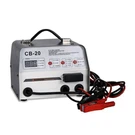

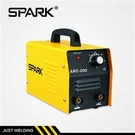


Hey there! I'm a supplier of Three Phase Cutting Machines, and I'm stoked to share with you how to operate these bad boys. Whether you're a seasoned pro or just getting started in the cutting game, this guide will give you the lowdown on getting the most out of your three - phase cutting machine.
Getting to Know Your Three Phase Cutting Machine
First things first, let's talk about what makes a three - phase cutting machine special. Unlike single - phase machines, three - phase machines are designed to handle heavier workloads and offer more power. They're often used in industrial settings where precision and efficiency are key.
If you're in the market for a top - notch three - phase machine, check out our Three Phase Cutting Machine. It's built to last and can tackle even the toughest cutting jobs.
Pre - operation Checks
Before you fire up your three - phase cutting machine, you need to do a few pre - operation checks. Safety should always be your number one priority.
Power Supply
Make sure your power supply is compatible with the machine. Three - phase power is different from single - phase, so you need to ensure that your electrical system can handle it. Check the voltage and amperage requirements of your machine and match them with your power source. A mismatch can not only damage the machine but also pose a serious safety risk.
Machine Inspection
Give your machine a thorough once - over. Look for any signs of damage, such as loose parts, frayed wires, or leaks. Check the cutting torch, electrodes, and other consumables to make sure they're in good condition. If you notice any issues, don't operate the machine until you've fixed them.
Lubrication
Some three - phase cutting machines require lubrication for smooth operation. Check the manufacturer's instructions to see if your machine needs it and what type of lubricant to use. Proper lubrication can extend the life of your machine and prevent premature wear and tear.
Setting Up the Machine
Once you've completed your pre - operation checks, it's time to set up the machine for cutting.
Material Preparation
The material you're cutting needs to be properly prepared. Clean the surface of the material to remove any dirt, rust, or debris. This will ensure a clean and accurate cut. Secure the material firmly in place using clamps or other holding devices. Make sure it's level and stable to prevent any movement during the cutting process.
Parameter Setting
Setting the right parameters is crucial for a successful cut. You'll need to adjust the cutting speed, amperage, and gas flow rate based on the type and thickness of the material you're cutting. Refer to the machine's manual for recommended settings. It might take a bit of trial and error to get the perfect settings, but once you do, you'll be able to achieve precise cuts every time.
Operating the Machine
Now that everything is set up, it's time to start cutting.
Starting the Machine
Turn on the power supply and let the machine warm up for a few minutes. This allows the internal components to reach the optimal operating temperature. Once the machine is ready, you can start the cutting process.
Holding the Cutting Torch
Hold the cutting torch firmly but not too tightly. Keep a steady hand and maintain a consistent distance between the torch and the material. The distance will depend on the type of cutting process and the material you're working with. A good rule of thumb is to follow the manufacturer's recommendations.
Making the Cut
Slowly move the cutting torch along the cutting line. Try to maintain a constant speed and pressure. Avoid jerky movements, as this can result in an uneven cut. If you're cutting a complex shape, take your time and make sure you follow the pattern accurately.


After - cut Procedures
Once you've completed the cut, there are a few things you need to do.
Machine Shutdown
Turn off the power supply to the machine. This is important for safety reasons and to prevent any accidental operation. Allow the machine to cool down before you start any maintenance or cleaning.
Cleanup
Clean the machine and the work area. Remove any debris, slag, or metal shavings from the machine. This will help prevent damage to the machine and keep it in good working condition. Wipe down the cutting torch and other components to remove any residue.
Consumable Replacement
Check the consumables, such as electrodes and nozzles, and replace them if necessary. Worn - out consumables can affect the quality of your cuts and reduce the efficiency of the machine.
Troubleshooting
Even the best - maintained machines can run into problems. Here are some common issues you might encounter and how to fix them.
Poor Cut Quality
If you're getting a poor cut quality, it could be due to a number of factors. Check the cutting parameters to make sure they're set correctly. Make sure the material is clean and properly secured. Also, check the consumables for wear and tear and replace them if needed.
Machine Overheating
If the machine starts to overheat, turn it off immediately. Let it cool down and check the ventilation system. Make sure the air intake and exhaust ports are not blocked. Overheating can damage the internal components of the machine, so it's important to address the issue as soon as possible.
Other Cutting Machines in Our Range
In addition to our Three Phase Cutting Machine, we also offer other high - quality cutting machines.
If you're looking for a more energy - efficient option, check out our DC Inverter Plasma Cutting Machine. It uses advanced inverter technology to reduce power consumption while still delivering excellent cutting performance.
For those who need a machine that can handle long - term, heavy - duty cutting, our High Duty Cycle Inverter Cutting Machine is the perfect choice. It's designed to operate continuously for extended periods without overheating.
Wrapping Up and Reaching Out
Operating a three - phase cutting machine might seem a bit daunting at first, but with the right knowledge and a bit of practice, you'll be cutting like a pro in no time. Remember to always follow safety procedures and take good care of your machine.
If you're interested in purchasing a three - phase cutting machine or any of our other cutting machines, I'd love to hear from you. We're here to help you find the perfect machine for your needs and provide you with top - notch customer service. So, don't hesitate to reach out and start a conversation about your cutting requirements.
References
- Manufacturer's manuals for three - phase cutting machines
- Industry best practices for cutting machine operation
- Technical guides on three - phase power systems