




In the realm of welding, Metal Inert Gas (MIG) flux wire welding has emerged as a popular and efficient method for joining metals. As a MIG Flux Wire supplier, I've witnessed firsthand the pivotal role that welding speed plays in controlling the heat input during the MIG flux wire welding process. In this blog post, I'll delve into the intricate relationship between welding speed and heat input, exploring how this crucial parameter can significantly impact the quality and efficiency of your welding projects.
Understanding Heat Input in MIG Flux Wire Welding
Before we dive into the role of welding speed, it's essential to understand what heat input is and why it matters in MIG flux wire welding. Heat input refers to the amount of energy transferred from the welding arc to the workpiece during the welding process. It is a critical factor that influences the weld bead shape, penetration, and the overall integrity of the weld joint.
The heat input formula for MIG welding is typically expressed as:
[
\text{Heat Input} (\text{J/mm}) = \frac{\text{Voltage} (\text{V}) \times \text{Current} (\text{A})}{\text{Welding Speed} (\text{mm/s})} \times 60
]
From this formula, it's evident that welding speed is inversely proportional to heat input. This means that as the welding speed increases, the heat input decreases, and vice versa.
The Impact of Welding Speed on Heat Input
Controlling Weld Penetration
One of the primary ways welding speed affects heat input is by controlling weld penetration. Weld penetration refers to the depth to which the weld metal fuses with the base metal. In MIG flux wire welding, achieving the right amount of penetration is crucial for ensuring a strong and durable weld joint.
When the welding speed is too slow, the heat input is high, resulting in excessive penetration. This can lead to burn-through, where the weld metal melts through the base metal, creating holes and weakening the joint. On the other hand, if the welding speed is too fast, the heat input is low, and the weld penetration may be insufficient. This can result in a lack of fusion between the weld metal and the base metal, leading to a weak and unreliable weld.
As a MIG Flux Wire supplier, I often recommend adjusting the welding speed to achieve the optimal heat input for the specific application. For thin materials, a higher welding speed may be required to reduce heat input and prevent burn-through. Conversely, for thicker materials, a slower welding speed may be necessary to ensure adequate penetration.
Influencing Weld Bead Shape
Welding speed also plays a significant role in determining the shape of the weld bead. The weld bead shape refers to the width and height of the weld metal deposited on the workpiece. A well-shaped weld bead is essential for ensuring a smooth and aesthetically pleasing weld joint.
When the welding speed is slow, the heat input is high, and the weld bead tends to be wider and flatter. This is because the increased heat causes the weld metal to spread out more on the workpiece. Conversely, when the welding speed is fast, the heat input is low, and the weld bead tends to be narrower and taller.


The shape of the weld bead can also affect the mechanical properties of the weld joint. A wider and flatter weld bead may provide better resistance to cracking and fatigue, while a narrower and taller weld bead may offer higher strength and hardness. As a MIG Flux Wire supplier, I can provide guidance on selecting the appropriate welding speed to achieve the desired weld bead shape for your specific application.
Managing Heat-Affected Zone (HAZ)
The heat-affected zone (HAZ) is the area of the base metal that is affected by the heat of the welding process but does not melt. The size and properties of the HAZ can have a significant impact on the mechanical properties of the weld joint.
When the welding speed is slow, the heat input is high, and the HAZ is larger. This can lead to changes in the microstructure of the base metal, such as grain growth and the formation of brittle phases. These changes can reduce the strength and toughness of the base metal, increasing the risk of cracking and failure.
On the other hand, when the welding speed is fast, the heat input is low, and the HAZ is smaller. This helps to minimize the changes in the microstructure of the base metal, preserving its mechanical properties. As a MIG Flux Wire supplier, I can recommend welding speeds that help to control the size of the HAZ and ensure the integrity of the weld joint.
Practical Considerations for Controlling Welding Speed
Selecting the Right Welding Equipment
To effectively control welding speed and heat input, it's essential to select the right welding equipment. As a MIG Flux Wire supplier, I offer a range of high-quality MIG Flux Wire that is compatible with different types of welding machines.
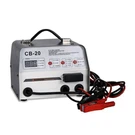
For family use, I recommend the Family Use Popular Transformer MIG Welding Machine. This machine is easy to operate and provides consistent welding performance, making it ideal for DIY projects and small-scale welding applications.
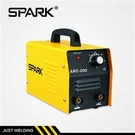
For professional welders, the Inverter Mig Welding Machine is a great choice. This machine offers advanced features such as adjustable welding parameters and precise control of welding speed, allowing for greater flexibility and accuracy in the welding process.
Conducting Weld Tests
Before starting a welding project, it's important to conduct weld tests to determine the optimal welding speed and heat input for the specific application. Weld tests involve welding a sample piece of the base metal using different welding speeds and parameters and then evaluating the quality of the weld joint.
During the weld tests, pay attention to the weld penetration, bead shape, and the size of the HAZ. Adjust the welding speed and other parameters as needed to achieve the desired results. As a MIG Flux Wire supplier, I can provide guidance on conducting weld tests and interpreting the results.
Training and Experience
Controlling welding speed and heat input requires skill and experience. As a MIG Flux Wire supplier, I offer training and support to help welders improve their skills and achieve better welding results.
Training programs may include hands-on welding practice, theoretical instruction on welding principles and techniques, and guidance on selecting the right welding equipment and parameters. By investing in training and experience, welders can become more proficient in controlling welding speed and heat input, leading to higher-quality weld joints and increased productivity.
Conclusion
In conclusion, welding speed plays a crucial role in controlling the heat input during MIG flux wire welding. By adjusting the welding speed, welders can control weld penetration, influence weld bead shape, and manage the size of the heat-affected zone. This, in turn, can have a significant impact on the quality and efficiency of the welding process.
As a MIG Flux Wire supplier, I am committed to providing high-quality products and expert advice to help welders achieve the best possible results. Whether you're a DIY enthusiast or a professional welder, I can help you select the right MIG Flux Wire and welding equipment for your specific application.
If you're interested in learning more about MIG flux wire welding or have any questions about our products and services, please don't hesitate to contact us. We look forward to working with you to meet your welding needs and help you achieve your goals.
References
- AWS Welding Handbook, Volume 1: Welding Science and Technology, American Welding Society
- Welding Metallurgy and Weldability of Stainless Steels, John C. Lippold and David J. Kotecki
- Principles of Welding: Processes, Physics, Chemistry, and Metallurgy, John F. Lancaster