

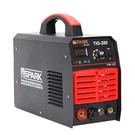
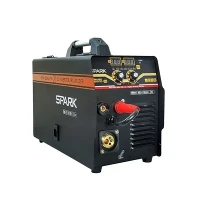


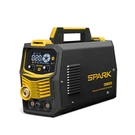

Hey there, welding enthusiasts! I'm a supplier of DC Pulse TIG Welding Machines, and I'm stoked to walk you through the process of installing one of these bad boys. TIG welding, or Tungsten Inert Gas welding, is a super precise method that's great for all sorts of metals, and a DC Pulse TIG Welding Machine takes it to the next level.
Pre - installation Checks
Before you even start unpacking the machine, there are a few things you gotta check. First off, make sure you've got a suitable location. It should be dry, well - ventilated, and away from any flammable materials. You don't want any accidents, right?
Next, take a look at the power supply. The DC Pulse TIG Welding Machine needs a stable power source. Check the voltage requirements of your machine. Some are designed for 220V household power, while others, like the Industrial 380V Professional TIG for Welding Aluminium, require 380V industrial power. Make sure your electrical system can handle the load. You don't want to blow a fuse or, worse, damage the machine.
Also, check the packaging of the machine for any signs of damage during transit. If you find anything, contact us right away. We'll sort it out for you.
Unpacking the Machine
Once you've got the all - clear on the location and power supply, it's time to unpack. Carefully open the box and take out the machine. You'll usually find the welding torch, ground clamp, foot pedal (if it's included), and the user manual. Make sure all the parts are there. If something's missing, give us a shout, and we'll send the missing piece ASAP.
Connecting the Power
Now, let's get to the power connection. First, find the power cord on the back of the machine. Plug one end into the machine and the other end into the appropriate power outlet. If you're using a machine that needs a 380V supply, make sure you've got a professional electrician do the connection if you're not experienced with high - voltage systems. Safety first, folks!
Gas Supply
TIG welding requires an inert gas, usually argon, to protect the weld from contamination. You'll need a gas cylinder and a regulator. Connect the regulator to the gas cylinder. Make sure it's tightened properly. Then, use a gas hose to connect the regulator to the gas inlet on the welding machine. You can find the gas inlet on the back or side of the machine.
Welding Torch and Ground Clamp
The welding torch is your main tool for creating the weld. Connect the welding torch to the appropriate socket on the front of the machine. You'll usually see a label indicating where to plug it in. It should fit snugly.
The ground clamp is equally important. It provides a return path for the electrical current. Connect the ground clamp to the workpiece. Make sure it has a good, clean connection to the metal. A poor connection can cause welding problems.
Foot Pedal (Optional)
If your machine comes with a foot pedal, it gives you more control over the welding current. Connect the foot pedal to the designated socket on the machine. Once it's connected, you can adjust the welding current by pressing on the pedal.
Setting Up the Controls
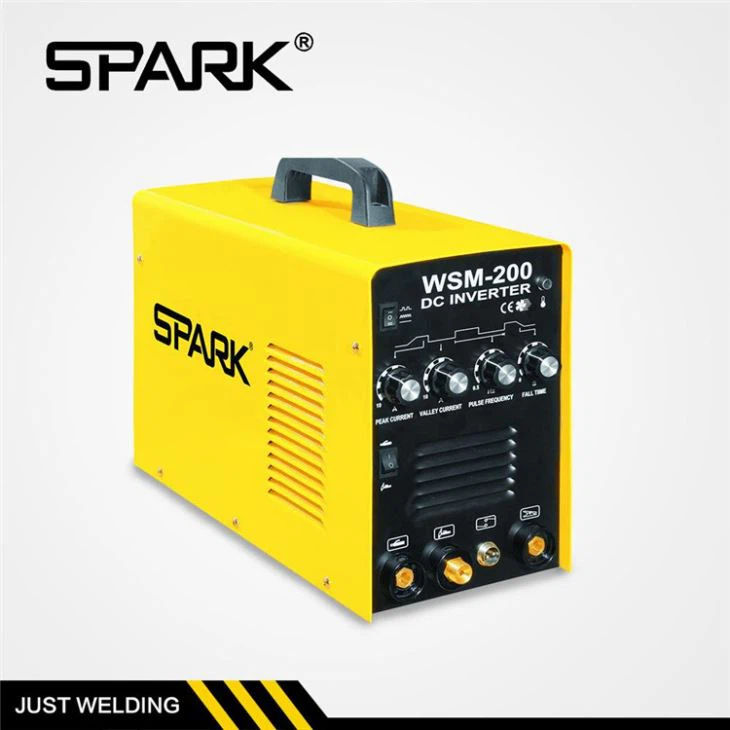
Now that everything's connected, it's time to set up the controls. Turn on the machine. You'll see a control panel with various buttons and dials. The first thing you'll want to set is the welding current. This depends on the thickness of the metal you're welding. Thicker metals require higher currents.
You can also adjust the pulse settings on the DC Pulse TIG Welding Machine. The pulse feature allows you to control the heat input more precisely, which is great for thin metals and for getting better weld quality.
Testing the Machine
Before you start welding on your actual project, it's a good idea to do a test run. Put on your welding gear, including a welding helmet, gloves, and protective clothing. Take a scrap piece of metal and set it up with the ground clamp.
Press the trigger on the welding torch. If everything's set up correctly, you should see a stable arc and the gas flowing. Check the weld bead on the scrap metal. It should look smooth and even. If you notice any issues like spattering or an unstable arc, double - check your connections and settings.
Troubleshooting
If you run into problems during the installation or testing, don't panic. Most issues are pretty easy to fix. For example, if the arc won't start, check the power connection, the gas flow, and the tungsten electrode. A dull or contaminated tungsten electrode can prevent the arc from starting.
If you're getting too much spatter, it could be due to a wrong gas flow rate or incorrect current settings. Refer to the user manual for troubleshooting tips, or reach out to us, and we'll help you figure it out.
Maintenance
Once you've got the machine up and running, regular maintenance is key to keeping it in top shape. Clean the welding torch regularly to remove any debris or metal spatter. Check the gas hoses for leaks, and replace them if necessary. Also, keep the machine clean and dust - free.
Why Choose Our DC Pulse TIG Welding Machines?
Our DC Pulse TIG Welding Machine offers you the latest technology and top - notch performance. We also have the DC New Technology TIG Welding Machine, which comes with even more advanced features. These machines are built to last, and they're easy to install and use, as you've just seen.
If you're in the market for a high - quality DC Pulse TIG Welding Machine, whether it's for hobbyist work or professional applications, we've got you covered. We're here to provide you with the best products and support. If you want to know more about our products or have any questions about installation, setting up, or maintenance, just get in touch with us. We're eager to discuss your needs and help you make the right choice for your welding projects.
References
- Welding Handbook, American Welding Society