

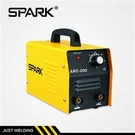



Adjusting the wire feed tension on a Three PCB MIG Welding Machine is a crucial skill that can significantly impact the quality of your welding work. As a supplier of the Three PCB MIG Welding Machine, I understand the importance of getting this adjustment right. In this blog, I'll share detailed steps on how to adjust the wire feed tension, along with some tips and insights to help you achieve optimal welding results.
Understanding the Importance of Wire Feed Tension
Before we dive into the adjustment process, it's essential to understand why wire feed tension matters. The wire feed tension determines how smoothly the welding wire is fed through the torch. If the tension is too loose, the wire may bunch up or feed erratically, leading to uneven welds and potential blockages in the wire feed system. On the other hand, if the tension is too tight, it can cause the wire to break or damage the wire drive rollers, resulting in inconsistent wire feed and poor weld quality.
Tools You'll Need
- Screwdriver: Most Three PCB MIG Welding Machines have tension adjustment screws that can be turned using a standard screwdriver. Make sure you have the appropriate size screwdriver for your machine.
- Wire Brush: A wire brush can be used to clean the wire drive rollers and other components of the wire feed system to ensure smooth wire feeding.
- Welding Wire: Have a spool of the appropriate welding wire on hand to test the wire feed after making adjustments.
Step-by-Step Guide to Adjusting Wire Feed Tension
Step 1: Prepare the Welding Machine
Before making any adjustments, ensure that the welding machine is turned off and unplugged from the power source. This will prevent any electrical hazards and allow you to work safely on the machine.
Step 2: Access the Wire Feed Mechanism
Locate the wire feed mechanism on your Three PCB MIG Welding Machine. This is usually located near the front or side of the machine and is covered by a protective panel. Remove the panel using the appropriate tools to access the wire drive rollers and tension adjustment screws.
Step 3: Check the Wire Drive Rollers
Inspect the wire drive rollers for any signs of wear, damage, or debris. If the rollers are dirty, use a wire brush to clean them thoroughly. Make sure the rollers are properly aligned and free to rotate smoothly.
Step 4: Set the Initial Tension
Start by setting the initial tension on the wire feed mechanism. Loosen the tension adjustment screws slightly to allow the wire to pass through the rollers easily. Then, insert the welding wire into the wire feed mechanism and thread it through the guides and rollers until it reaches the torch.
Step 5: Test the Wire Feed
Once the wire is threaded through the machine, turn on the welding machine and set the wire feed speed to a low setting. Press the trigger on the torch to feed the wire through. Observe the wire as it feeds to ensure that it is advancing smoothly and evenly. If the wire is bunching up or feeding erratically, the tension may be too loose. If the wire is breaking or not feeding at all, the tension may be too tight.
Step 6: Adjust the Tension
Based on your observations, adjust the tension adjustment screws accordingly. If the tension is too loose, turn the screws clockwise to increase the tension. If the tension is too tight, turn the screws counterclockwise to decrease the tension. Make small adjustments at a time and test the wire feed after each adjustment until you achieve smooth and consistent wire feeding.
Step 7: Fine-Tune the Tension
Once you have achieved a smooth wire feed, you may need to fine-tune the tension further to ensure optimal welding performance. Start by welding a test piece and observing the weld bead. If the weld bead is uneven or contains defects, such as porosity or lack of fusion, the wire feed tension may need to be adjusted slightly. Make small adjustments to the tension and repeat the test welding until you are satisfied with the results.
Step 8: Reassemble the Machine
Once you have adjusted the wire feed tension to your satisfaction, reassemble the protective panel on the wire feed mechanism. Make sure all the screws are tightened securely to prevent any debris from entering the machine.
Tips for Adjusting Wire Feed Tension
- Use the Right Welding Wire: Different types and diameters of welding wire require different wire feed tensions. Make sure you are using the appropriate welding wire for your application and adjust the tension accordingly.
- Keep the Wire Feed System Clean: Regularly clean the wire drive rollers, guides, and other components of the wire feed system to prevent debris from accumulating and causing problems with the wire feed.
- Check the Wire Spool: Make sure the welding wire is properly wound on the spool and that there are no kinks or tangles in the wire. A kinked or tangled wire can cause uneven wire feeding and lead to poor weld quality.
- Practice Makes Perfect: Adjusting wire feed tension takes practice. Don't be afraid to make small adjustments and test the wire feed after each adjustment until you find the optimal tension for your welding application.
Our Products
As a supplier of Three PCB MIG Welding Machines, we offer a wide range of high-quality welding machines to meet the needs of various industries and applications. Our Gasless MIG Welding Machine is a great option for both professional welders and hobbyists who need a reliable and portable welding solution. It uses self-shielding welding wire, eliminating the need for an external gas supply.
If you're looking for a more powerful and versatile welding machine, our MIG - 250 Inverter Welding Machine is an excellent choice. It offers a wide range of welding currents and wire feed speeds, allowing you to weld different types of materials and thicknesses with ease.


Our flagship product, the Three PCB IGBT MIG Welding Machine, is designed with advanced IGBT technology, providing stable and efficient welding performance. It features a three - PCB design, which enhances the reliability and durability of the machine.
Conclusion
Adjusting the wire feed tension on a Three PCB MIG Welding Machine is a skill that requires patience and practice. By following the steps outlined in this blog and keeping the tips in mind, you can ensure smooth and consistent wire feeding, leading to high - quality welds. If you have any questions or need further assistance with adjusting the wire feed tension on your welding machine, or if you're interested in purchasing one of our products, please don't hesitate to contact us. We're here to help you with all your welding needs.
References
- "Welding Machine Operation Manual," Various manufacturers' resources.
- "The Science of Welding," Industry - standard textbooks on welding principles.