



Hey there! As a supplier of Digital MIG Welding Machines, I've seen firsthand how crucial it is to keep your equipment in top - notch condition. One of the most important parts of a Digital MIG Welding Machine is the wire feed mechanism. In this blog, I'll walk you through how to check it to ensure smooth and efficient welding operations.
Why Checking the Wire Feed Mechanism Matters
Before we dive into the checking process, let's talk about why it's so important. A well - functioning wire feed mechanism is the heart of a MIG welding machine. If the wire doesn't feed properly, you'll end up with inconsistent welds, which can compromise the quality of your work. Plus, it can lead to increased downtime and frustration. So, regular checks are a must!
Visual Inspection
The first step in checking the wire feed mechanism is a simple visual inspection. Start by looking at the wire spool. Make sure it's seated correctly on the spool holder. A misaligned spool can cause the wire to feed unevenly. Check for any signs of damage to the spool, like cracks or dents, as these can also affect the wire feed.
Next, take a look at the wire itself. Look for kinks, twists, or tangles. If you find any, try to straighten the wire as much as possible. Kinked wire can jam the feed mechanism and cause problems during welding. Also, check the wire diameter. Using the wrong wire diameter can lead to issues with the feed rate and the quality of the weld.
Now, move on to the wire feed rollers. These rollers are responsible for pulling the wire from the spool and feeding it through the torch. Inspect the rollers for wear and tear. If the grooves on the rollers are too worn, they won't grip the wire properly, and the wire may slip or feed erratically. You can usually tell if the rollers are worn if they look smooth or if the wire seems to be slipping through them easily.
Checking the Tension
The tension of the wire feed mechanism is another critical factor. Too much tension can cause the wire to break or the feed motor to overwork, while too little tension can result in the wire not feeding at all or feeding unevenly.


To check the tension, start by adjusting the tension knob or lever on the welding machine. Most machines have a tension adjustment feature. Begin with a medium tension setting. Then, try to pull the wire by hand between the feed rollers. The wire should move smoothly but with a bit of resistance. If it's too easy to pull, increase the tension. If it's too hard, decrease it.
You can also perform a test weld to check the tension. Start a short weld and observe the wire feed. If the wire is feeding too fast or too slow, or if it's bunching up or breaking, the tension may need adjustment. Keep making small adjustments to the tension and repeating the test weld until you get a smooth and consistent wire feed.
Examining the Drive System
The drive system of the wire feed mechanism includes the motor, gears, and belts. These components work together to power the wire feed rollers. Listen for any unusual noises coming from the drive system. A grinding, whining, or clicking sound could indicate a problem with the gears or belts.
Check the belts for signs of wear, such as cracks or fraying. If a belt is worn, it may slip, causing the wire feed to be inconsistent. You may need to replace the belt if it's in bad condition.
Inspect the motor as well. Make sure it's running smoothly and that there are no signs of overheating. Overheating can be a sign of a problem with the motor, such as a faulty bearing or a short circuit. If you notice any issues with the motor, it's best to have it checked by a professional.
Testing the Electrical Connections
The electrical connections in the wire feed mechanism are vital for proper operation. Loose or corroded connections can cause intermittent power supply to the feed motor, resulting in inconsistent wire feed.
Start by checking the connections between the welding machine and the wire feed unit. Make sure all the plugs are securely inserted and that there are no signs of corrosion. If you find any corrosion, you can clean it using a wire brush and some electrical contact cleaner.
Next, check the connections inside the wire feed unit. This may require removing the cover of the unit, so make sure you follow the manufacturer's instructions and take appropriate safety precautions. Look for loose wires or connections that may have come undone. Tighten any loose connections and make sure all the wires are properly secured.
Lubrication
Proper lubrication is essential for the smooth operation of the wire feed mechanism. Some components, like the wire feed rollers and the drive system, may require lubrication. Check the manufacturer's manual to see if your welding machine requires lubrication and what type of lubricant to use.
Apply the lubricant according to the instructions. Be careful not to over - lubricate, as too much lubricant can attract dirt and debris, which can cause problems in the feed mechanism.
Using Our Welding Machines
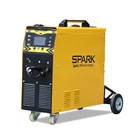
At our company, we offer a range of high - quality Digital MIG Welding Machines. For example, our Transformer Gasless MIG Welding Machine with Seperate Wire Feeder is a great option for those who need a reliable and efficient welding solution. It's designed with a robust wire feed mechanism that ensures smooth and consistent wire feed.
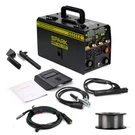
Our 5 Kgs Wire Welding Machine is another popular choice. It's compact and easy to use, making it suitable for both professional welders and DIY enthusiasts. The wire feed mechanism on this machine is carefully engineered to provide precise control over the wire feed rate.
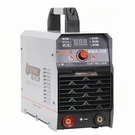
And if you're looking for a more powerful option, our Powerful MIG Welding Machine is the way to go. With its high - performance wire feed mechanism, it can handle heavy - duty welding tasks with ease.
Conclusion
Checking the wire feed mechanism of a Digital MIG Welding Machine is an important part of maintaining your equipment and ensuring high - quality welds. By following these steps, you can identify and fix any issues with the wire feed before they cause major problems.
If you're in the market for a new Digital MIG Welding Machine or have any questions about our products, don't hesitate to contact us for a purchase negotiation. We're here to help you find the right welding solution for your needs.
References
- Welding Equipment Handbook
- Digital MIG Welding Machine User Manuals