




In the world of manufacturing and fabrication, the ability to cut materials precisely is paramount. One common question that often arises is whether a cutting machine can cut curved lines. As a cutting machine supplier, I've encountered this query numerous times, and I'm here to shed light on this topic.
Understanding Cutting Machines
Before delving into the question of cutting curved lines, it's essential to understand the different types of cutting machines available in the market. There are various cutting technologies, each with its own capabilities and limitations. Some of the most common types of cutting machines include plasma cutters, laser cutters, waterjet cutters, and mechanical cutters.
Plasma cutters use a high - velocity jet of ionized gas (plasma) to cut through electrically conductive materials such as steel, aluminum, and copper. They are known for their speed and ability to cut through thick materials. Laser cutters, on the other hand, use a focused laser beam to melt, burn, or vaporize materials. They offer high precision and are suitable for cutting a wide range of materials, including metals, plastics, and wood. Waterjet cutters use a high - pressure stream of water mixed with abrasive particles to cut through materials. They are ideal for cutting materials that are sensitive to heat, such as glass and composites. Mechanical cutters, like saws and routers, use physical blades to cut through materials.
Can Cutting Machines Cut Curved Lines?
The short answer is yes, many cutting machines can cut curved lines. However, the ease and precision with which they can do so depend on several factors, including the type of cutting machine, the material being cut, and the complexity of the curve.
Plasma Cutters
Plasma cutters can cut curved lines, but the precision may be limited compared to other cutting technologies. With manual plasma cutting, the operator guides the cutting torch along the desired curve. This requires a certain level of skill and steady hand. For more precise curved cuts, computer - numerical - control (CNC) plasma cutting systems can be used. These systems use a computer to control the movement of the cutting torch, allowing for highly accurate and repeatable curved cuts. For example, in automotive manufacturing, CNC plasma cutters are used to cut curved body panels with high precision. You can explore our Three Phase Cutting Machine which offers enhanced performance for both straight and curved cuts.
Laser Cutters
Laser cutters are well - suited for cutting curved lines. They offer extremely high precision and can cut complex curves with ease. The laser beam can be controlled precisely by a computer, allowing for smooth and accurate cuts. Laser cutters are commonly used in industries such as jewelry making, where intricate curved designs are required. In architectural applications, laser cutters can be used to create decorative curved elements for buildings. Our Single Phase Cutting Machine is a great option for small - scale operations that need to cut curved lines in various materials.
Waterjet Cutters
Waterjet cutters are also capable of cutting curved lines. Similar to laser cutters, they can be controlled by a CNC system to achieve precise curved cuts. Since waterjet cutting is a cold - cutting process, it doesn't cause heat - affected zones in the material, which is beneficial when cutting materials that are sensitive to heat. This makes waterjet cutters a popular choice for cutting curved parts in industries such as aerospace, where heat - induced distortion can be a significant issue.
Mechanical Cutters
Mechanical cutters can cut curved lines, but the process may be more challenging. For example, a band saw can be used to cut simple curves, but the operator needs to carefully guide the material through the saw blade. Routers can also be used to cut curved lines, especially when using a CNC router. CNC routers use a computer to control the movement of the router bit, allowing for accurate and complex curved cuts. In woodworking, CNC routers are often used to create curved furniture parts.
Factors Affecting Curved Cutting
Several factors can affect the ability of a cutting machine to cut curved lines:
Material Properties
The type and thickness of the material being cut play a crucial role. Harder materials may require more power and a different cutting approach. For example, cutting a thick piece of stainless steel into a curved shape may be more difficult than cutting a thin sheet of aluminum.
Curve Complexity
Simple curves are generally easier to cut than complex, multi - radius curves. As the complexity of the curve increases, the cutting machine may need to make more precise adjustments to maintain accuracy.
Machine Capabilities
The capabilities of the cutting machine, such as its maximum cutting speed, acceleration, and positioning accuracy, can affect the quality of the curved cut. A high - end CNC cutting machine will be able to cut more complex curves with greater precision than a basic manual cutting machine.
Applications of Curved Cutting
The ability to cut curved lines has numerous applications in various industries:
Art and Design
In the art and design world, cutting machines are used to create unique and intricate curved sculptures, jewelry, and decorative items. Artists can use laser cutters or waterjet cutters to bring their creative visions to life.
Architecture and Construction
Architects and construction companies use cutting machines to create curved elements for buildings, such as arches, domes, and decorative facades. These elements add aesthetic appeal to the structures.

Automotive and Aerospace
In the automotive and aerospace industries, cutting machines are used to manufacture curved parts, such as engine components, wings, and fuselage sections. Precise curved cuts are essential for ensuring the proper fit and function of these parts.
Our Cutting Machine Solutions
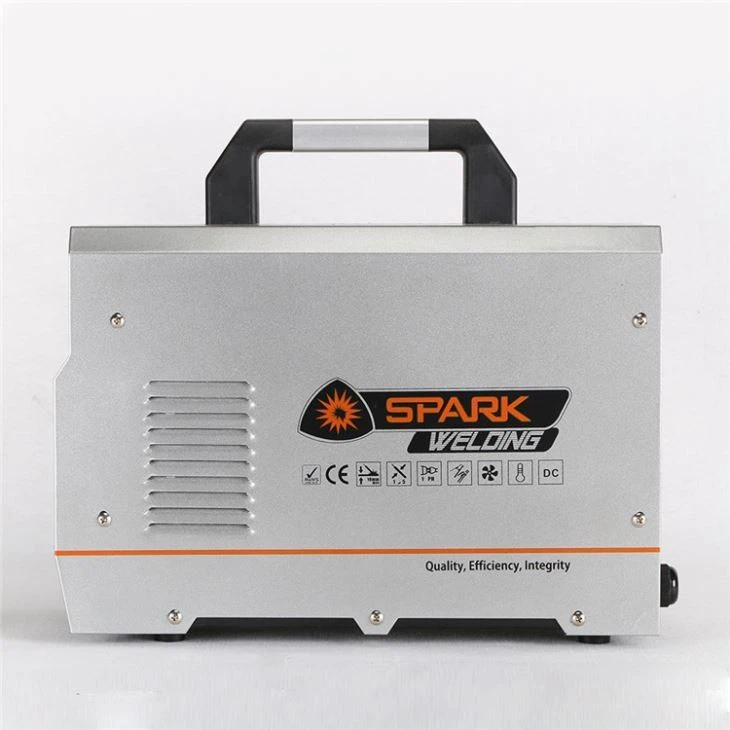
As a cutting machine supplier, we offer a wide range of cutting machines that are capable of cutting curved lines. Our 3 in 1 ARC TIG Cutting Equipment provides versatility for different cutting needs, including curved cuts. Whether you are a small - scale workshop or a large - scale manufacturing plant, we have the right cutting machine for you.
We understand that every customer has unique requirements, and we are committed to providing personalized solutions. Our team of experts can help you choose the most suitable cutting machine for your specific application, taking into account factors such as the material, the complexity of the cuts, and your budget.
Contact Us for Procurement
If you are interested in purchasing a cutting machine for your curved cutting needs, we invite you to contact us for a detailed discussion. Our sales team is ready to answer all your questions and provide you with a comprehensive quote. We believe in building long - term relationships with our customers, and we are dedicated to providing high - quality products and excellent customer service.
References
- "Modern Manufacturing Processes" by John A. Schey
- "Cutting Technology Handbook" by Peter Oxley
- Industry reports on cutting machine applications in various sectors