




Can a cutting machine be moved easily? That's a question I get asked a lot as a cutting machine supplier. And the answer isn't as straightforward as you might think.
Let's start by looking at the different types of cutting machines out there. We've got Three Phase Cutting Machine, Single Phase Cutting Machine, and DC Inverter Plasma Cutting Machine. Each of these has its own unique features that can affect how easy it is to move around.
Three Phase Cutting Machine
Three - phase cutting machines are typically used in industrial settings. They're powerful beasts, capable of handling large - scale cutting tasks. But this power comes at a cost, and one of those costs is mobility.
These machines are often heavy because they house large and complex electrical components. The three - phase power supply requires a more substantial electrical infrastructure, which adds to the weight. Also, their size is usually larger to accommodate the high - powered motors and cutting mechanisms. Moving a three - phase cutting machine isn't something you can do on a whim. You're going to need a fork - lift or a similar heavy - duty equipment to relocate it. And even then, you have to be careful because any jostling can potentially damage the internal components.
However, some modern three - phase cutting machines are being designed with mobility in mind. Manufacturers are using lighter materials and more compact designs. But even so, they're still not as easy to move as some of the smaller machines.
Single Phase Cutting Machine
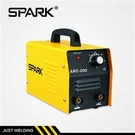
Single - phase cutting machines are a bit more user - friendly when it comes to mobility. They're commonly used in small workshops and DIY projects. These machines are generally lighter and more compact than their three - phase counterparts.
The single - phase power supply means they don't need as much bulky electrical equipment. You can often move a single - phase cutting machine by yourself, especially if it's a smaller model. Some even come with wheels, which makes it super easy to roll them around the workshop or even take them to different job sites.
But it's not all rosy. While they're easier to move, the cutting capacity of single - phase cutting machines is usually lower. If you're dealing with thicker or tougher materials, you might find yourself limited. And if you do need to move it over long distances or rough terrain, the wheels might not be enough, and you'll still have to put in some physical effort.
DC Inverter Plasma Cutting Machine
DC inverter plasma cutting machines are a bit of a different breed. These machines are known for their high - efficiency and precise cutting. In terms of mobility, they fall somewhere in between the three - phase and single - phase machines.
The inverter technology used in these machines allows for a more compact and lightweight design compared to traditional plasma cutters. They're often easy to carry around in a workshop or transport in a vehicle. However, they still require a stable power source and proper ventilation. So, while you can move them relatively easily, you need to make sure you have the right setup at the new location.
Factors Affecting Mobility
Apart from the type of the cutting machine, there are other factors that affect how easily a cutting machine can be moved.

- Weight: This is an obvious one. The heavier the machine, the harder it is to move. Even with the help of equipment, heavy machines pose logistical challenges.
- Size: A large - sized cutting machine takes up more space and can be difficult to maneuver through doorways or around obstacles.
- Fragility: Some cutting machines have delicate components. Moving them requires extra care to avoid damaging these parts.
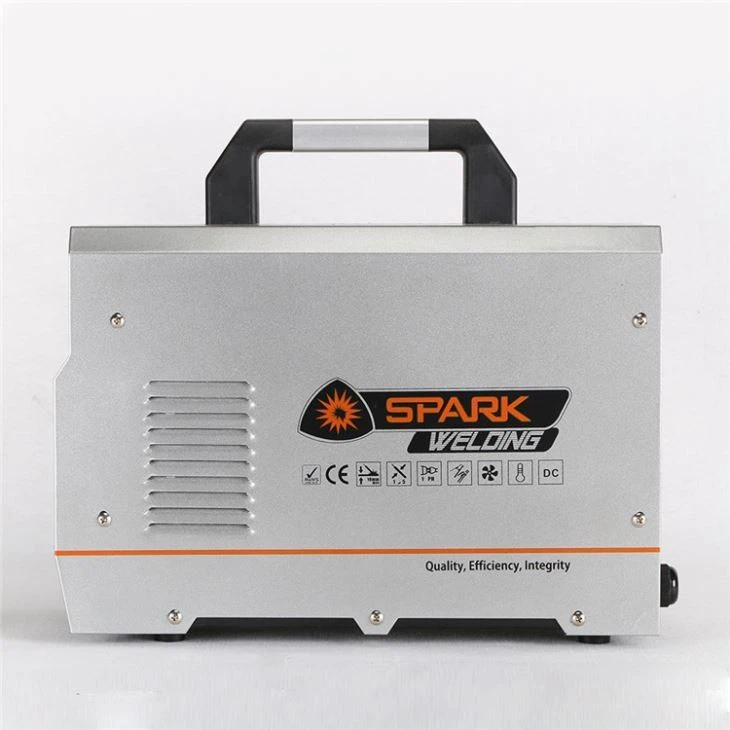
- Portability Features: Machines with built - in wheels or handles are much easier to move compared to those without.
- Power Requirements: As I mentioned earlier, machines with more complex power requirements might need additional equipment for relocation, which can make the process more difficult.
Tips for Moving a Cutting Machine
If you need to move a cutting machine, here are some tips to make the process easier and safer:
- Plan Ahead: Figure out the route you'll take and make sure there are no obstacles. Also, arrange for any necessary equipment like a forklift or hand - truck.
- Secure Loose Parts: Before moving, make sure all loose parts are properly secured. This includes things like cutting torches, hoses, and electrical cords.
- Turn Off and Disconnect: Always turn off the machine and disconnect it from the power source before moving. This prevents any electrical hazards.
- Use the Right Equipment: Don't try to move a heavy machine by hand. Use appropriate lifting and moving equipment.
- Seek Help if Needed: If you're not sure how to move the machine safely, don't hesitate to ask for professional help.
Conclusion
So, can a cutting machine be moved easily? It depends on the type of the cutting machine and the circumstances. Single - phase cutting machines are generally the easiest to move, while three - phase cutting machines are the most challenging. DC inverter plasma cutting machines offer a good balance between mobility and cutting power.
If you're in the market for a cutting machine and mobility is an important factor for you, I'd be more than happy to help you find the right one. Just reach out to us, and we can discuss your specific needs. Whether you need a Three Phase Cutting Machine, Single Phase Cutting Machine, or DC Inverter Plasma Cutting Machine, we've got you covered. Let's have a chat and see how we can make your cutting tasks more efficient and your machine - moving experience a breeze.
References
- General knowledge from years of experience in the cutting machine supply industry.
- Industry reports on cutting machine design and functionality.