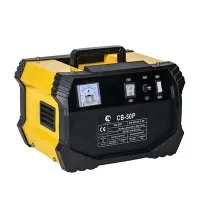
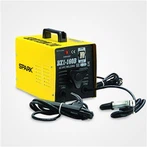
MIG Welding (Metal Inert Gas Welding): MIG welding, also known as Gas Metal Arc Welding (GMAW), is a welding process that uses a continuously fed wire electrode and a shielding gas to create an electric arc between the electrode and the workpiece. The wire electrode acts as both the filler material and the electrode. The shielding gas, typically a mixture of argon and carbon dioxide, protects the weld area from atmospheric contamination. MIG welding is known for its versatility, high welding speed, and ease of use, making it suitable for various applications such as automotive repairs, fabrication, and home projects.
TIG Welding (Tungsten Inert Gas Welding): TIG welding, also called Gas Tungsten Arc Welding (GTAW), is a welding process that uses a non-consumable tungsten electrode to produce the weld. Unlike MIG welding, TIG welding requires a separate filler material to be added manually. TIG welding utilizes a shielding gas, such as argon, to protect the weld area from atmospheric contamination. TIG welding is known for its precision, control, and ability to produce clean, high-quality welds. It is commonly used for welding thin materials, stainless steel, aluminum, and critical applications such as aerospace components and pipelines.
Both MIG and TIG welding have their advantages and are suitable for different applications. MIG welding is generally easier to learn and provides higher productivity, while TIG welding offers more control and produces cleaner welds. The choice between MIG and TIG welding depends on factors such as the type of metal, thickness of the material, desired weld quality, and the skill level of the operator.