

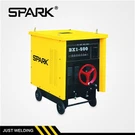
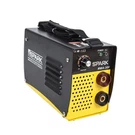
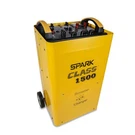
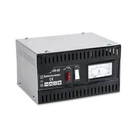
As a supplier of multifunctional machines, I understand the importance of proper training for users. Multifunctional machines, such as the Smart Multi-Function Welding Machine, Multifunctional Welding Machine, and MMA Tig Cut Machine, offer a wide range of capabilities, but they also require specific knowledge and skills to operate safely and effectively. In this blog post, I will discuss the essential training needed to use a multifunctional machine.
Safety Training
Safety should always be the top priority when using any type of machinery, and multifunctional machines are no exception. Before operating a multifunctional machine, users must receive comprehensive safety training. This training should cover the following aspects:

Personal Protective Equipment (PPE)
Users should be educated on the proper use of PPE, including safety glasses, gloves, helmets, and protective clothing. Different functions of the multifunctional machine may require different types of PPE, and users need to understand when and how to use them correctly.
Machine Safety Features
Multifunctional machines are equipped with various safety features, such as emergency stop buttons, safety guards, and overload protection. Users should be trained to identify these features and understand how they work to prevent accidents.
Hazard Awareness
Users need to be aware of the potential hazards associated with using the multifunctional machine, such as electrical shock, fire, and flying debris. They should learn how to recognize these hazards and take appropriate precautions to avoid them.

Safe Operating Procedures
Proper operating procedures are crucial for ensuring safety. Users should be trained on how to start and stop the machine, how to adjust settings, and how to handle materials safely. They should also learn about the importance of following the manufacturer's instructions and guidelines.

Technical Training
In addition to safety training, users also need technical training to operate a multifunctional machine effectively. This training should cover the following areas:
Machine Basics
Users should be familiar with the basic components and functions of the multifunctional machine. They should learn how to read the control panel, understand the different modes of operation, and make basic adjustments.
Function-Specific Training
Multifunctional machines can perform a variety of tasks, such as welding, cutting, and grinding. Users should receive function-specific training for each task they will be performing. For example, if they will be using the machine for welding, they should learn about different welding techniques, electrode selection, and welding parameters.
Maintenance and Troubleshooting
Regular maintenance is essential for keeping the multifunctional machine in good working condition. Users should be trained on how to perform basic maintenance tasks, such as cleaning, lubricating, and inspecting the machine. They should also learn how to troubleshoot common problems and identify when professional repair is needed.
Software and Programming
Some multifunctional machines are equipped with advanced software and programming capabilities. Users may need training on how to use the software to control the machine, set up programs, and monitor performance.
Hands-On Training
While theoretical training is important, hands-on training is equally crucial for users to gain practical experience and confidence in operating a multifunctional machine. Hands-on training should be conducted in a supervised environment, where users can practice using the machine under the guidance of an experienced instructor.
During hands-on training, users should be given the opportunity to perform a variety of tasks using the multifunctional machine. They should start with simple tasks and gradually progress to more complex ones as they gain more skills and experience. The instructor should provide feedback and guidance to help users improve their technique and ensure safe operation.
Certification and Continuing Education
After completing the training, users may benefit from obtaining a certification to demonstrate their proficiency in using the multifunctional machine. Certification programs are available from various organizations and can provide users with a recognized credential that can enhance their job prospects and credibility.
In addition to certification, continuing education is also important for users to stay updated on the latest technology and best practices in using multifunctional machines. Suppliers often offer training courses and workshops to help users improve their skills and knowledge. Users should take advantage of these opportunities to enhance their capabilities and ensure they are using the machine to its full potential.
Conclusion
Proper training is essential for users to operate a multifunctional machine safely and effectively. Safety training, technical training, hands-on training, certification, and continuing education are all important components of a comprehensive training program. As a supplier of multifunctional machines, we are committed to providing our customers with the training and support they need to get the most out of our products.
If you are interested in learning more about our multifunctional machines or our training programs, please contact us to discuss your specific needs and requirements. We look forward to working with you to find the best solution for your business.
References
- Manufacturer's user manuals and training materials.
- Industry standards and best practices for operating multifunctional machines.
- Safety regulations and guidelines for working with machinery.