

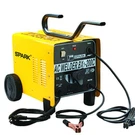
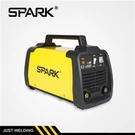
Hey there! As a supplier of single-phase cutting machines, I often get asked about what kind of blades are suitable for these machines. It's a crucial question because using the right blade can make a huge difference in the cutting process, from the quality of the cut to the lifespan of your machine. So, let's dive into this topic and find out the best blade options for single-phase cutting machines.
Understanding Single-Phase Cutting Machines
First off, let's quickly go over what single-phase cutting machines are. These machines are powered by a single-phase electrical supply, which is commonly available in most households and small workshops. They're great for light to medium-duty cutting tasks, such as cutting through thin metals, plastics, and wood. They're relatively compact, easy to operate, and affordable, making them a popular choice for DIY enthusiasts and small businesses.
Factors to Consider When Choosing Blades
Before we start looking at specific blade types, there are a few factors you need to consider when choosing blades for your single-phase cutting machine:
- Material to be Cut: Different materials require different blade types. For example, cutting through metal requires a blade with a harder and more durable cutting edge compared to cutting through wood.
- Thickness of the Material: Thicker materials may require a blade with a larger tooth count or a more aggressive cutting edge to ensure a clean and efficient cut.
- Cutting Speed: The speed at which your single-phase cutting machine operates can also affect the choice of blade. Some blades are designed for high-speed cutting, while others are better suited for slower, more precise cuts.
- Blade Size: Make sure the blade you choose is the right size for your single-phase cutting machine. Using a blade that is too large or too small can affect the performance of the machine and may even cause damage.
Types of Blades Suitable for Single-Phase Cutting Machines
1. HSS (High-Speed Steel) Blades
HSS blades are a popular choice for cutting through a variety of materials, including metal, wood, and plastics. They're made from a high-carbon steel alloy that contains elements such as tungsten, molybdenum, and vanadium, which give the blade its high hardness and heat resistance. HSS blades are relatively affordable and can be used for both general-purpose cutting and more specialized applications.
Advantages:
- Can cut through a wide range of materials
- Good heat resistance, which allows for high-speed cutting
- Relatively affordable
Disadvantages:
- Not as durable as some other blade types, especially when cutting through hard metals
- May require frequent sharpening
2. Carbide-Tipped Blades
Carbide-tipped blades are another popular option for single-phase cutting machines, especially when cutting through hard materials such as metal and masonry. These blades have a cutting edge made from carbide, which is a very hard and wear-resistant material. Carbide-tipped blades can provide a clean and precise cut, even when cutting through thick or tough materials.
Advantages:
- Extremely hard and wear-resistant, which means they can last longer than HSS blades
- Can provide a clean and precise cut, even on hard materials
- Suitable for high-speed cutting
Disadvantages:
- More expensive than HSS blades
- Can be brittle and may chip or break if not used properly
3. Diamond Blades
Diamond blades are the most expensive type of blade, but they're also the most durable and can cut through the toughest materials, such as concrete, stone, and glass. These blades have a cutting edge made from diamond particles, which are the hardest known material. Diamond blades can provide a very clean and precise cut, but they require a high-powered cutting machine to operate effectively.
Advantages:
- Can cut through the toughest materials
- Provide a very clean and precise cut
- Long lifespan
Disadvantages:
- Very expensive
- Require a high-powered cutting machine
- Can be dangerous to use if not handled properly
Recommended Blades for Specific Applications
Cutting Metal
If you're using your single-phase cutting machine to cut through metal, I recommend using a carbide-tipped blade. These blades are designed to withstand the high heat and pressure generated when cutting through metal, and they can provide a clean and precise cut. You can find carbide-tipped blades in a variety of tooth counts and sizes, so make sure you choose the right one for the thickness and type of metal you're cutting.
For example, if you're cutting through thin sheet metal, a blade with a higher tooth count (e.g., 60-80 teeth) may be more suitable, as it will provide a smoother cut. On the other hand, if you're cutting through thicker metal, a blade with a lower tooth count (e.g., 24-32 teeth) may be more appropriate, as it will be more aggressive and can cut through the material more quickly.


Cutting Wood
When cutting through wood, an HSS blade is usually a good choice. These blades are affordable and can provide a clean and smooth cut. You can find HSS blades in a variety of tooth counts and sizes, so make sure you choose the right one for the type of wood you're cutting and the thickness of the material.
For example, if you're cutting through softwood, a blade with a lower tooth count (e.g., 18-24 teeth) may be more suitable, as it will be more aggressive and can cut through the wood more quickly. On the other hand, if you're cutting through hardwood, a blade with a higher tooth count (e.g., 40-60 teeth) may be more appropriate, as it will provide a smoother cut.
Cutting Plastics
If you're using your single-phase cutting machine to cut through plastics, an HSS blade or a carbide-tipped blade can be used. However, it's important to choose a blade with a sharp cutting edge and a low tooth count to prevent the plastic from melting or cracking. You may also want to use a coolant or lubricant to keep the blade cool and reduce friction.
Where to Find the Right Blades
At our company, we offer a wide range of blades suitable for single-phase cutting machines. Whether you're looking for HSS blades, carbide-tipped blades, or diamond blades, we've got you covered. We also offer a variety of cutting machines, including the 3 in 1 ARC TIG Cutting Equipment, DC Inverter Plasma Cutting Machine, and High Duty Cycle Inverter Cutting Machine.
If you're not sure which blade is right for your specific application, our team of experts is here to help. We can provide you with personalized recommendations based on your needs and the materials you'll be cutting. So, don't hesitate to contact us if you have any questions or if you're ready to place an order.
Conclusion
Choosing the right blade for your single-phase cutting machine is essential for achieving the best results. By considering the material to be cut, the thickness of the material, the cutting speed, and the blade size, you can select the blade that is most suitable for your specific application. Whether you're cutting metal, wood, or plastics, there is a blade out there that can get the job done.
At our company, we're committed to providing our customers with high-quality cutting machines and blades at competitive prices. We believe that by offering the best products and services, we can help our customers achieve their cutting goals and grow their businesses. So, if you're in the market for a single-phase cutting machine or blades, we encourage you to contact us to learn more about our products and how we can help you.
References
- "Cutting Tools: A Guide to Selecting the Right Blade." Machinery's Handbook, 31st Edition. Industrial Press, 2016.
- "Blade Selection for Cutting Machines." Cutting Tool Engineering, Vol. 68, No. 3, 2016.
- "The Basics of Cutting Machine Blades." Modern Machine Shop, Vol. 89, No. 5, 2017.