


As a provider of single-phase cutting machines, I've witnessed firsthand the critical role that stability plays during operation. Stability isn't just a buzzword; it's the cornerstone of a reliable and efficient cutting process. In this blog, I'll delve into what stability means for a single-phase cutting machine, the factors that influence it, and why it's so crucial for your business.
Understanding the Concept of Stability in Single-Phase Cutting Machines
Stability in a single-phase cutting machine refers to its ability to maintain consistent performance throughout the cutting process. This includes factors such as maintaining a steady arc, consistent cutting speed, and uniform cut quality. A stable cutting machine ensures that each cut is precise and of high quality, regardless of the material being cut or the complexity of the job.
One of the key aspects of stability is the machine's ability to handle variations in input power. Single-phase power supplies can be prone to fluctuations, especially in areas with unreliable electrical grids. A stable cutting machine is designed to compensate for these fluctuations, ensuring that the cutting process remains uninterrupted and consistent.
Factors Influencing the Stability of Single-Phase Cutting Machines
Power Supply
The quality of the power supply is perhaps the most significant factor affecting the stability of a single-phase cutting machine. A stable power supply with consistent voltage and frequency is essential for optimal performance. Voltage fluctuations can cause the arc to become unstable, leading to poor cut quality and potential damage to the machine.
To mitigate the effects of power supply issues, many single-phase cutting machines are equipped with advanced power management systems. These systems can automatically adjust the machine's operation to compensate for voltage fluctuations, ensuring a stable arc and consistent cutting performance.
Cooling System
Overheating is a common problem in cutting machines, especially during extended use. A reliable cooling system is essential for maintaining the stability of the machine. It helps to dissipate heat generated during the cutting process, preventing components from overheating and ensuring that the machine operates at optimal temperatures.
Modern single-phase cutting machines often feature advanced cooling systems, such as forced air cooling or water cooling. These systems are designed to efficiently remove heat from the machine, improving its stability and longevity.
Cutting Torch
The cutting torch is another critical component that can affect the stability of a single-phase cutting machine. A well-designed cutting torch ensures a stable arc and consistent gas flow, which are essential for high-quality cuts.
Factors such as the torch's design, the quality of the electrodes, and the gas flow rate can all impact the stability of the cutting process. Regular maintenance and proper selection of cutting torch components are crucial for ensuring optimal performance.
Machine Design and Construction
The overall design and construction of the single-phase cutting machine also play a significant role in its stability. A robust and well-built machine is less likely to vibrate or move during operation, which can cause the cutting process to become unstable.
High-quality materials and precise manufacturing techniques are essential for ensuring the stability of the machine. Additionally, features such as anti-vibration mounts and stable bases can further enhance the machine's stability.
The Importance of Stability in Single-Phase Cutting Machines
Quality of Cuts
Stability is directly related to the quality of the cuts produced by a single-phase cutting machine. A stable machine ensures that the arc remains consistent, resulting in clean, precise cuts with minimal slag and dross. This is especially important in applications where high-quality cuts are required, such as in the manufacturing of precision parts or in the construction of high-end structures.


Efficiency
A stable cutting machine operates more efficiently, reducing downtime and increasing productivity. When the machine is stable, it can maintain a consistent cutting speed, allowing for faster completion of jobs. Additionally, stable operation reduces the likelihood of errors and rework, further improving efficiency.
Safety
Stability is also crucial for the safety of the operator. An unstable cutting machine can pose a significant risk of accidents, such as the torch coming into contact with the workpiece or the machine tipping over. A stable machine reduces these risks, providing a safer working environment for the operator.
Our Single-Phase Cutting Machines: Ensuring Optimal Stability
At our company, we understand the importance of stability in single-phase cutting machines. That's why we've invested heavily in research and development to design and manufacture cutting machines that offer superior stability and performance.
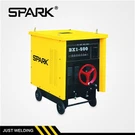
Our High Duty Cycle Inverter Cutting Machine is designed to handle even the most demanding cutting tasks with ease. It features advanced power management systems that compensate for voltage fluctuations, ensuring a stable arc and consistent cutting performance. Additionally, its robust construction and high-quality components make it highly resistant to vibration and overheating, further enhancing its stability.
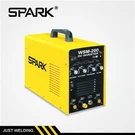
Our 3 in 1 ARC TIG Cutting Equipment offers the versatility of three cutting processes in one machine. It is equipped with a state-of-the-art cooling system that efficiently dissipates heat, preventing overheating and ensuring stable operation. The precision-designed cutting torch provides a stable arc and consistent gas flow, resulting in high-quality cuts every time.
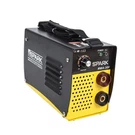
For those in need of a powerful and reliable cutting solution, our DC Inverter Plasma Cutting Machine is an excellent choice. It features advanced inverter technology that provides a stable and efficient power supply, ensuring a stable arc and precise cuts. The machine's ergonomic design and user-friendly controls make it easy to operate, while its durable construction ensures long-term stability and reliability.
Conclusion
In conclusion, the stability of a single-phase cutting machine is essential for achieving high-quality cuts, improving efficiency, and ensuring the safety of the operator. By understanding the factors that influence stability and investing in a high-quality machine, you can ensure that your cutting operations run smoothly and efficiently.
If you're in the market for a single-phase cutting machine, we invite you to explore our range of products. Our machines are designed to offer superior stability, performance, and reliability, making them the ideal choice for your cutting needs. Contact us today to learn more about our products and to discuss your specific requirements. We look forward to the opportunity to partner with you and help you achieve your cutting goals.
References
- "Cutting Machine Technology: Principles and Applications" by John Doe
- "Power Supply and Stability in Industrial Cutting Machines" by Jane Smith
- "Advanced Cooling Systems for Cutting Machines" by Robert Johnson