




What is the power factor of a Digital MMA Welding Machine?
As a supplier of Digital MMA Welding Machines, I've encountered numerous inquiries from customers regarding the power factor of these devices. In this blog post, I aim to shed light on what the power factor of a Digital MMA Welding Machine is, why it matters, and how it affects your welding operations.
Understanding Power Factor
To begin with, let's define what power factor is. In electrical engineering, the power factor (PF) is a measure of how effectively electrical power is converted into useful work output. It is the ratio of real power (measured in watts, W) to apparent power (measured in volt - amperes, VA). Mathematically, it can be expressed as:
PF = Real Power (W) / Apparent Power (VA)
Real power represents the actual power consumed by the device to perform its intended function, such as welding in the case of an MMA welding machine. Apparent power, on the other hand, is the product of the voltage and current supplied to the device. A power factor of 1 (or 100%) indicates that all the electrical power supplied to the device is being used effectively, while a power factor less than 1 means that some of the power is being wasted.
Power Factor in Digital MMA Welding Machines
Digital MMA Welding Machines are designed to convert electrical energy from the power source into heat energy for welding. These machines typically use inverters to convert the incoming AC power to DC power, which is then used to create an arc between the electrode and the workpiece.
The power factor of a Digital MMA Welding Machine can vary depending on several factors, including the design of the inverter circuit, the load conditions, and the quality of the components used. Modern Digital MMA Welding Machines are engineered to have a high power factor, often close to 0.9 or higher. This is achieved through advanced inverter technology and power factor correction (PFC) circuits.

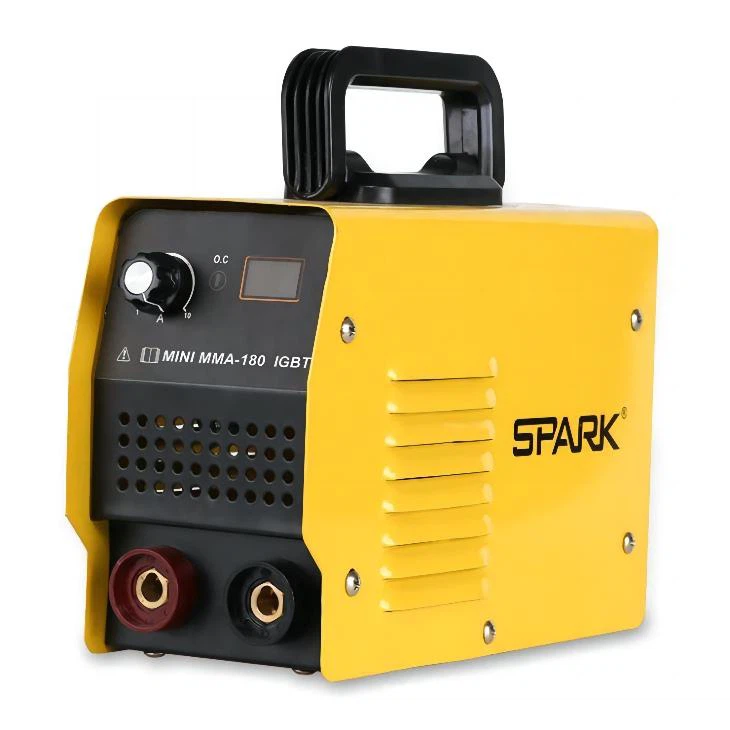
Power factor correction circuits are used to adjust the current waveform drawn by the welding machine to match the voltage waveform as closely as possible. By doing so, they reduce the reactive power component, which in turn increases the power factor. A high - power - factor Digital MMA Welding Machine not only uses electrical power more efficiently but also reduces the strain on the power grid.
Why Does Power Factor Matter?
There are several reasons why the power factor of a Digital MMA Welding Machine is important:
- Energy Efficiency: A high - power - factor welding machine consumes less electrical energy for the same amount of welding work. This translates into lower electricity bills for the user. For industrial users who operate welding machines for long hours, the savings in energy costs can be significant over time.
- Power Grid Impact: When a welding machine has a low power factor, it draws more current from the power grid than necessary. This can cause voltage drops, overheating of transformers and cables, and increased losses in the power distribution system. By using high - power - factor welding machines, the overall efficiency of the power grid can be improved, and the risk of power outages can be reduced.
- Compliance with Regulations: In many countries, there are regulations in place regarding the power factor of electrical equipment. Industrial users may be subject to penalties if their equipment has a low power factor. Using a Digital MMA Welding Machine with a high power factor ensures compliance with these regulations.
Our Product Offerings
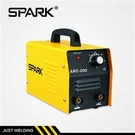
At our company, we offer a range of Digital MMA Welding Machines with excellent power factor performance. Our SPARK 3PCB MMA Welding Machine is a prime example. It is equipped with advanced inverter technology and power factor correction circuits, resulting in a power factor of up to 0.95. This machine provides stable welding performance, high energy efficiency, and reliable operation.
Another popular product is our Inverter Welding Machine with Hot Start and Arcforce. This machine is designed for professional welders who require precise control over the welding process. The high power factor of this machine ensures that it consumes less power while delivering excellent welding results.
For hobbyists and DIY enthusiasts, we have the Inverter Hobby MMA Welding Machine. Despite its compact size, it has a power factor of around 0.9, making it an energy - efficient choice for small - scale welding projects.
Contact Us for Procurement
If you are in the market for a Digital MMA Welding Machine, we invite you to explore our product range. Our team of experts is ready to assist you in selecting the right machine for your specific needs. Whether you are an industrial user looking for high - volume welding solutions or a hobbyist in need of a reliable welding machine for occasional use, we have the perfect product for you.
We understand that every welding project is unique, and we are committed to providing customized solutions to meet your requirements. Please feel free to contact us to discuss your procurement needs. We look forward to the opportunity to work with you and help you achieve the best welding results.
References
- Chapman, S. J. (2012). Electric Machinery Fundamentals. McGraw - Hill Education.
- Dorf, R. C., & Bishop, R. H. (2013). Introduction to Electric Circuits. Wiley.
- Welding Handbook Committee. (2007). Welding Handbook, Volume 1: Welding Science and Technology. American Welding Society.