

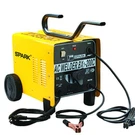
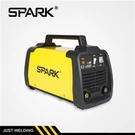
As a supplier of three-phase cutting machines, I often encounter inquiries from customers about the cooling methods of these machines. Understanding the cooling methods is crucial as it directly impacts the performance, longevity, and reliability of the cutting machine. In this blog post, I will delve into the various cooling methods used in three-phase cutting machines, their advantages, and how they contribute to the overall efficiency of the equipment.
Air Cooling
One of the most common cooling methods for three-phase cutting machines is air cooling. This method utilizes fans to circulate air over the heat-generating components of the machine, such as the inverter, transformer, and power switches. The fans draw in cool air from the surrounding environment and expel the heated air out of the machine.
The primary advantage of air cooling is its simplicity and cost-effectiveness. Air-cooled cutting machines are generally more affordable than their liquid-cooled counterparts, as they do not require additional components such as pumps, radiators, and coolant reservoirs. Additionally, air cooling systems are relatively easy to maintain, as they do not involve complex fluid management.
However, air cooling has its limitations. The cooling efficiency of air is lower compared to liquids, which means that air-cooled machines may be more prone to overheating, especially during extended periods of heavy use. To mitigate this issue, manufacturers often design air-cooled cutting machines with larger fans and heat sinks to increase the surface area for heat dissipation.
Another consideration is the noise level. The fans used in air cooling systems can generate a significant amount of noise, which may be a concern in some working environments. To address this, some manufacturers incorporate noise-reducing features such as fan speed control and sound insulation materials.
Liquid Cooling
Liquid cooling is another popular cooling method for three-phase cutting machines, especially for high-power and industrial-grade models. This method uses a coolant, typically water or a water-glycol mixture, to absorb and transfer heat away from the heat-generating components.
The liquid cooling system consists of a pump, a radiator, and a series of hoses and fittings. The pump circulates the coolant through the machine, where it absorbs heat from the components. The heated coolant then flows to the radiator, where it is cooled by the air passing through the radiator fins. The cooled coolant is then recirculated back to the machine to continue the cooling process.
The main advantage of liquid cooling is its superior cooling efficiency. Liquids have a higher heat capacity than air, which means they can absorb and transfer more heat in a given time. This allows liquid-cooled cutting machines to operate at lower temperatures, reducing the risk of overheating and extending the lifespan of the components.
Liquid cooling also offers better noise control compared to air cooling. Since the pump and radiator are designed to operate quietly, liquid-cooled machines produce less noise during operation. This makes them more suitable for use in noise-sensitive environments.
However, liquid cooling systems are more complex and expensive than air cooling systems. They require additional components and regular maintenance, such as coolant replacement and radiator cleaning. Additionally, there is a risk of coolant leakage, which can cause damage to the machine and the surrounding environment if not addressed promptly.
Hybrid Cooling
Some three-phase cutting machines use a hybrid cooling system that combines the advantages of both air and liquid cooling. This system typically uses air cooling for the less heat-generating components and liquid cooling for the critical components that generate a large amount of heat.
The hybrid cooling system offers a balance between cooling efficiency, cost, and complexity. It provides better cooling performance than air cooling alone while being more affordable and less complex than a full liquid cooling system.
Importance of Proper Cooling
Proper cooling is essential for the optimal performance and longevity of three-phase cutting machines. Overheating can cause a variety of problems, including reduced cutting performance, premature component failure, and even safety hazards.
When a cutting machine overheats, the electrical components can become damaged, leading to a decrease in power output and cutting quality. The insulation on the wires and cables can also degrade, increasing the risk of electrical shorts and fires.
In addition, overheating can cause the mechanical components, such as the cutting torch and the drive system, to wear out more quickly. This can result in increased maintenance costs and downtime.
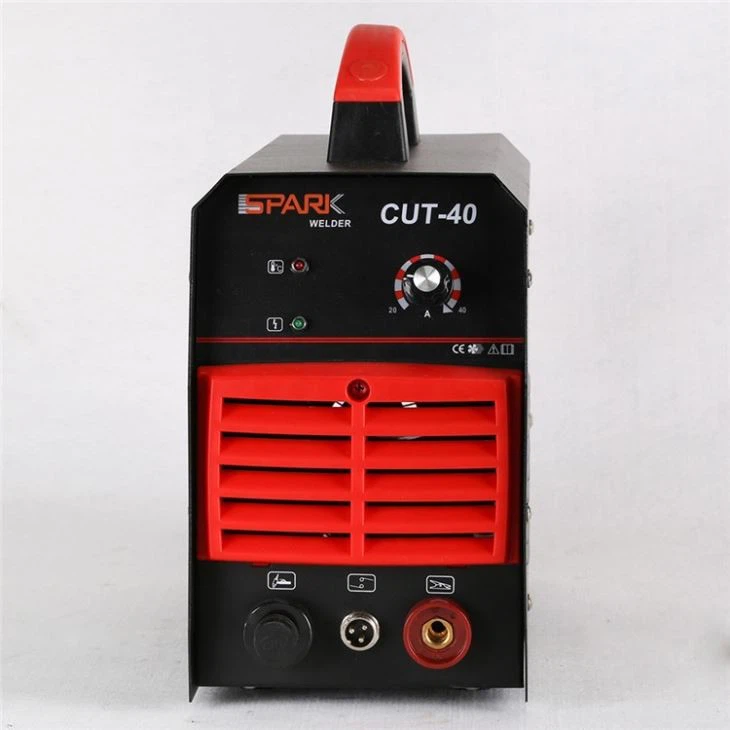

By using an appropriate cooling method and ensuring that the cooling system is properly maintained, you can prevent these problems and ensure that your three-phase cutting machine operates at its best for many years to come.
Our Three-Phase Cutting Machines
At our company, we offer a wide range of three-phase cutting machines with different cooling methods to meet the diverse needs of our customers. Our High Duty Cycle Inverter Cutting Machine is designed for heavy-duty applications and features a reliable liquid cooling system to ensure optimal performance even under extreme conditions.
Our DC Inverter Plasma Cutting Machine is a versatile and efficient cutting solution that uses air cooling for its compact and cost-effective design. It is suitable for a variety of cutting tasks, from thin sheet metal to thick steel plates.
For customers who require a multi-functional cutting machine, our 3 in 1 ARC TIG Cutting Equipment is an excellent choice. It combines the functions of ARC, TIG, and plasma cutting in one machine and uses a hybrid cooling system for optimal performance and reliability.
Contact Us for Purchasing
If you are interested in our three-phase cutting machines or have any questions about the cooling methods, please do not hesitate to contact us. Our team of experts is always ready to provide you with detailed information and help you choose the right cutting machine for your specific needs. We look forward to the opportunity to work with you and contribute to the success of your projects.
References
- "Cutting Machine Handbook," published by Industrial Machinery Press.
- "Thermal Management in Electrical Equipment," a research paper by the Institute of Electrical and Electronics Engineers.