




In the realm of metalworking and fabrication, cutting machines are indispensable tools. Among these, the choice between a single-phase and a three-phase cutting machine can significantly impact the efficiency, performance, and cost of operations. As a supplier of Single Phase Cutting Machine, I am well-versed in the intricacies of these two types of cutting machines and am eager to share the key differences.
Power Supply
The most fundamental difference between single-phase and three-phase cutting machines lies in their power supply. A single-phase cutting machine operates on a single alternating current (AC) waveform. This type of power supply is commonly available in residential and small commercial settings, typically with a voltage of 110V or 220V. It is characterized by a simple and straightforward electrical configuration, making it easy to connect to standard electrical outlets.
On the other hand, a three-phase cutting machine uses three separate AC waveforms that are out of phase with each other by 120 degrees. Three-phase power is more commonly found in industrial environments and offers several advantages in terms of power delivery. It provides a more consistent and balanced power supply, which results in smoother operation and less electrical stress on the machine's components.
Power and Performance
When it comes to power and performance, three-phase cutting machines generally have the upper hand. Due to the nature of three-phase power, these machines can deliver higher levels of power compared to their single-phase counterparts. This means that they can handle thicker and tougher materials with greater ease and efficiency. For example, in heavy-duty metal fabrication shops where large sheets of steel or other metals need to be cut, a three-phase cutting machine can complete the task much faster and with better precision.
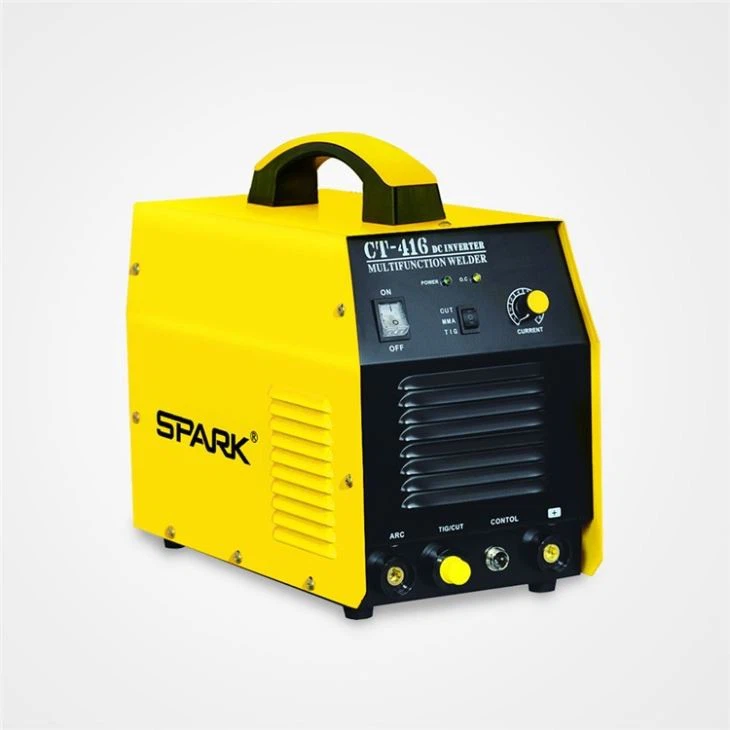

Single-phase cutting machines, while more limited in power, are still suitable for a wide range of applications. They are often used in small workshops, home garages, and light industrial settings where the cutting requirements are not as demanding. For instance, a hobbyist who wants to cut thin sheets of aluminum or mild steel for a DIY project can achieve excellent results with a single-phase cutting machine.
Duty Cycle
The duty cycle is another important factor to consider when comparing single-phase and three-phase cutting machines. The duty cycle refers to the amount of time a machine can operate continuously within a 10-minute period without overheating. A higher duty cycle means that the machine can run for longer periods without the need for extended breaks to cool down.
Three-phase cutting machines typically have a higher duty cycle than single-phase machines. This is because the balanced power supply of three-phase power reduces the heat generated during operation. As a result, these machines can be used for more extended periods, which is crucial in high-volume production environments. For example, a manufacturing plant that needs to cut a large number of parts in a short amount of time can benefit from the high duty cycle of a three-phase cutting machine.
Single-phase cutting machines usually have a lower duty cycle, which means that they may need to be paused periodically to prevent overheating. However, modern single-phase cutting machines, such as the High Duty Cycle Inverter Cutting Machine, have made significant improvements in this area. These inverter-based machines are designed to operate more efficiently and can achieve relatively high duty cycles, making them a viable option for many applications.
Cost
Cost is often a deciding factor for many buyers when choosing between a single-phase and a three-phase cutting machine. Single-phase cutting machines are generally more affordable upfront. They require less complex electrical installation and can be connected to standard electrical outlets, which eliminates the need for expensive three-phase electrical infrastructure. This makes them a cost-effective choice for small businesses and individuals with a limited budget.
Three-phase cutting machines, on the other hand, are more expensive to purchase and install. The electrical infrastructure required to support three-phase power can be costly, especially in areas where it is not already available. However, when considering the long-term benefits in terms of power, performance, and durability, the higher initial investment may be justified for businesses with high cutting demands.
Versatility
In terms of versatility, single-phase cutting machines offer some unique advantages. Their compact size and lower power requirements make them more portable and easier to move around. This is particularly useful for contractors or mobile welders who need to take their cutting equipment to different job sites. Additionally, single-phase cutting machines can be used in a wider range of locations, including areas where three-phase power is not available.
Three-phase cutting machines, while less portable, are highly versatile in terms of the materials and cutting processes they can handle. They are compatible with a variety of cutting methods, such as plasma cutting, oxy-fuel cutting, and laser cutting. For example, a three-phase plasma cutting machine can be used to cut a wide range of metals, including stainless steel, copper, and brass, with different thicknesses and profiles.
Ease of Use and Maintenance
Single-phase cutting machines are generally easier to use and maintain. Their simple electrical configuration and lower power requirements make them more user-friendly, especially for beginners. The operation of a single-phase cutting machine can be easily learned, and the maintenance tasks are usually less complex. For example, changing the consumable parts on a single-phase cutting machine is a straightforward process that can be done with basic tools.
Three-phase cutting machines, although more powerful, may require more technical knowledge to operate and maintain. The electrical system is more complex, and any issues with the three-phase power supply need to be addressed by a qualified electrician. However, with proper training and regular maintenance, these machines can provide reliable performance for many years.
Conclusion
In conclusion, the choice between a single-phase and a three-phase cutting machine depends on several factors, including the specific cutting requirements, the available power supply, the budget, and the intended application. Single-phase cutting machines are a great option for small-scale operations, hobbyists, and applications where portability and affordability are key. They offer a cost-effective solution for a wide range of cutting tasks.
On the other hand, three-phase cutting machines are the preferred choice for heavy-duty industrial applications where high power, performance, and durability are essential. They provide a more efficient and reliable cutting solution for large-scale metal fabrication and other demanding tasks.
As a supplier of Single Phase Cutting Machine, I understand the diverse needs of our customers. Whether you are a small business owner looking for an affordable cutting solution or a large manufacturer in need of high-performance equipment, I am here to help you make the right choice. If you have any questions or would like to discuss your specific requirements, please feel free to reach out to me. We also offer a range of 3 in 1 ARC TIG Cutting Equipment that combines the benefits of different cutting processes for added versatility.
References
- "Electrical Power Systems: Analysis and Design" by J. Duncan Glover, Mulukutla S. Sarma, and Thomas J. Overbye
- "Metal Cutting Principles" by Peter Oxley
- "Welding and Cutting Handbook" by American Welding Society