

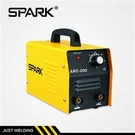



Hey there, fellow welders! As a supplier of MIG welding machines, I've seen my fair share of welding issues. One problem that pops up quite often is burn - through. In this blog, I'll break down what burn - through is in MIG welding and share some tips on how to prevent it.
What is Burn - Through in MIG Welding?
Burn - through is exactly what it sounds like. It happens when the heat from the welding process melts through the base metal, creating holes in the workpiece. Picture this: you're working on a thin sheet of metal, and all of a sudden, you see a big hole where you're trying to weld. That's burn - through.
There are a few reasons why burn - through occurs. First off, the heat input might be too high. When you set your MIG welding machine to a high voltage or wire feed speed, it can generate more heat than the metal can handle. For example, if you're welding a 1/16 - inch thick sheet of steel and you have your machine set for a much thicker material, you're likely to burn through.
Another factor is the welding technique. If you're moving too slowly or staying in one spot for too long, the heat will build up in that area, leading to burn - through. Also, improper joint preparation can play a role. If the edges of the metal aren't properly cleaned or fit together well, it can affect the heat distribution and increase the risk of burn - through.
How to Recognize Burn - Through
Recognizing burn - through is usually pretty easy. You'll see visible holes in the welded area. Sometimes, there might be small pinholes that are hard to spot at first, but they can still weaken the weld. Another sign is excessive spatter. When you burn through, the molten metal can splash out, creating more spatter than normal. You might also notice that the weld bead looks irregular or has a jagged appearance.


Preventing Burn - Through
Now, let's get to the good part: how to prevent burn - through. As a MIG welding machine supplier, I've got some tried - and - true methods that can help you avoid this pesky problem.
Adjust Your Machine Settings
The first step is to make sure your MIG welding machine is set up correctly. You need to match the settings to the thickness and type of the metal you're welding. For thinner metals, you'll want to use a lower voltage and wire feed speed.
Our Multifunction MIG Welding Machine is a great option because it allows you to easily adjust these settings. It has a wide range of voltage and wire feed speed options, so you can fine - tune the heat input for different types of welding jobs.
If you're working with a very thin metal, say less than 1/8 - inch thick, you might want to consider using a Single PCB MIG Welding Machine with Compact Torch. This machine is designed to provide precise control over the welding process, which is crucial for preventing burn - through on thin materials.
Use the Right Welding Technique
Your welding technique plays a huge role in preventing burn - through. First, make sure you're moving at a consistent speed. A good rule of thumb is to move fast enough so that the heat doesn't build up in one area, but slow enough to create a strong weld.
You should also use a back - and - forth or circular motion instead of just staying in one spot. This helps to distribute the heat evenly across the weld area. For example, when welding a corner joint, you can use a circular motion at the start and end of the weld to prevent overheating.
Prepare the Joint Properly
Proper joint preparation is essential for preventing burn - through. Clean the edges of the metal thoroughly to remove any dirt, rust, or paint. This ensures that the heat is transferred evenly during the welding process.
If the metal pieces don't fit together well, you can use a clamping device to hold them in place. This helps to keep the joint gap consistent and reduces the risk of heat concentration in certain areas.
Choose the Right Filler Metal
The filler metal you use can also affect the likelihood of burn - through. Make sure to choose a filler metal that is compatible with the base metal and has the right melting point. For example, if you're welding aluminum, you'll need to use an aluminum filler metal.
Our 1 kg Wire Welding Machine comes with a variety of filler wire options, so you can select the one that's best for your project.
Other Tips for Welding Thin Metals
When welding thin metals, there are a few additional tips that can help prevent burn - through. One is to use a heat sink. A heat sink is a piece of metal that you place behind the welding area to absorb some of the heat. It can be as simple as a thick piece of copper or steel.
You can also try using a pulse welding mode if your MIG welding machine has this feature. Pulse welding alternates between high and low heat levels, which can help control the heat input and prevent burn - through.
Conclusion
Burn - through is a common problem in MIG welding, but it doesn't have to be a headache. By adjusting your machine settings, using the right welding technique, preparing the joint properly, and choosing the right filler metal, you can significantly reduce the risk of burn - through.
As a MIG welding machine supplier, I'm here to help you find the best equipment for your needs. Whether you're a professional welder or just starting out, our range of MIG welding machines, like the Multifunction MIG Welding Machine, Single PCB MIG Welding Machine with Compact Torch, and 1 kg Wire Welding Machine, can provide you with the tools you need to achieve high - quality welds.
If you're interested in learning more about our products or have any questions about MIG welding, feel free to reach out. We're always happy to have a chat and help you with your welding projects. Whether you're looking to upgrade your current equipment or start a new welding venture, we're here to assist you. Let's work together to make your welding jobs easier and more successful!
References
- AWS Welding Handbook, Volume 1: Welding Science and Technology, American Welding Society
- Welding: Principles and Applications, by Larry Jeffus