

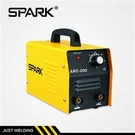


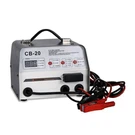

When it comes to industrial cutting operations, a three-phase cutting machine is often the go-to choice for many businesses due to its efficiency, power, and reliability. As a seasoned supplier of Three Phase Cutting Machines, I understand the importance of choosing the right equipment for your specific needs. In this blog post, I will share some valuable insights on how to select the most suitable three-phase cutting machine for your operations.
Understanding Your Cutting Requirements
The first step in choosing the right three-phase cutting machine is to have a clear understanding of your cutting requirements. Consider the following factors:
Material Type
Different materials require different cutting methods and equipment. For example, cutting through thick metal sheets will demand a more powerful machine compared to cutting thinner materials like aluminum or stainless steel. If you primarily work with non-metallic materials such as wood or plastic, you may need a machine with a different set of features.
Material Thickness
The thickness of the material you plan to cut is a crucial factor. Thicker materials generally require a machine with higher amperage and cutting capacity. Make sure to select a machine that can handle the maximum thickness of the materials you will be working with on a regular basis.
Cutting Speed
Depending on your production volume, you may need a machine that can cut at a faster speed. Faster cutting speeds can increase productivity but may also affect the quality of the cut. Strike a balance between speed and quality based on your specific requirements.
Cutting Precision
If your work requires high precision cuts, such as in the manufacturing of intricate parts or components, you will need a machine with advanced control systems and accurate cutting mechanisms. Look for machines that offer features like CNC (Computer Numerical Control) for precise and repeatable cuts.
Types of Three-Phase Cutting Machines
There are several types of three-phase cutting machines available in the market, each with its own advantages and limitations. Here are some of the most common types:

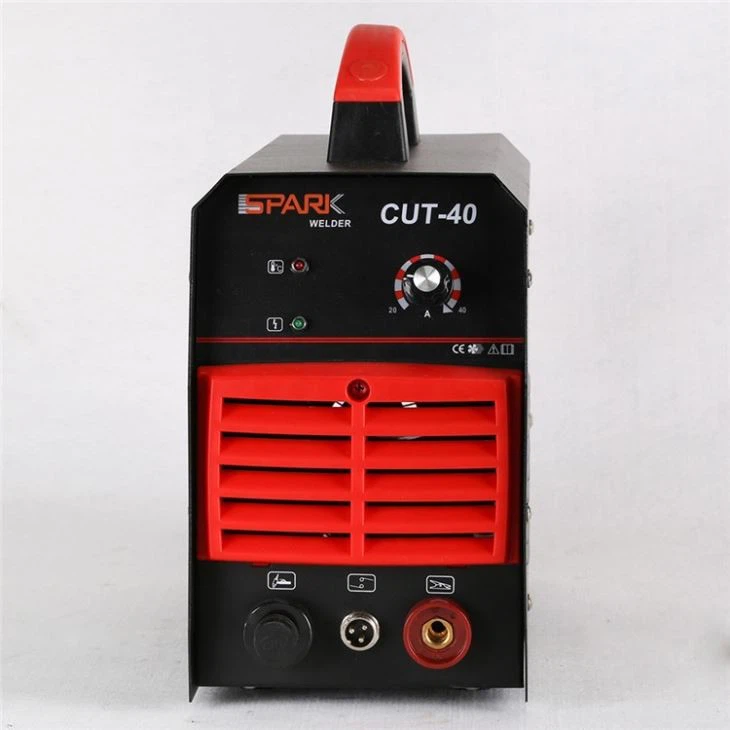
Plasma Cutting Machines
Plasma cutting machines use a high-velocity jet of ionized gas (plasma) to cut through conductive materials such as steel, aluminum, and copper. They are known for their fast cutting speeds, high precision, and ability to cut through thick materials. DC Inverter Plasma Cutting Machines are a popular choice due to their energy efficiency and compact design.
Laser Cutting Machines
Laser cutting machines use a high-powered laser beam to cut through materials. They offer extremely high precision and can cut complex shapes with ease. Laser cutting is suitable for a wide range of materials, including metals, plastics, and wood. However, laser cutting machines are generally more expensive and require specialized training to operate.
Waterjet Cutting Machines
Waterjet cutting machines use a high-pressure stream of water mixed with abrasive particles to cut through materials. They are ideal for cutting materials that are sensitive to heat, such as glass, ceramics, and composites. Waterjet cutting offers a clean and precise cut without generating heat-affected zones.
Power and Performance
The power and performance of a three-phase cutting machine are crucial factors to consider. Here are some key aspects to look for:
Amperage
Amperage determines the cutting capacity of the machine. Higher amperage machines can cut through thicker materials at a faster speed. However, higher amperage also means higher energy consumption and may require a more powerful electrical supply.
Voltage
Three-phase cutting machines typically operate at higher voltages compared to single-phase machines. Make sure your electrical system can support the voltage requirements of the machine you choose. If you are unsure, consult an electrician.
Duty Cycle
The duty cycle of a cutting machine refers to the amount of time it can operate continuously within a given period. A higher duty cycle means the machine can work for longer periods without overheating. Consider the duty cycle based on your production needs to ensure the machine can handle your workload.
Safety Features
Safety should always be a top priority when working with cutting machines. Look for machines that are equipped with the following safety features:
Emergency Stop Button
An emergency stop button allows you to quickly shut down the machine in case of an emergency. Make sure the button is easily accessible and clearly marked.
Protective Enclosures
Protective enclosures help prevent accidental contact with the cutting area and reduce the risk of injuries. Look for machines with sturdy enclosures that provide adequate protection.
Thermal Overload Protection
Thermal overload protection prevents the machine from overheating by automatically shutting it down when the temperature exceeds a certain limit. This helps extend the lifespan of the machine and reduces the risk of fire.
Ease of Use and Maintenance
A cutting machine that is easy to use and maintain can save you time and money in the long run. Consider the following factors:
User Interface
Look for a machine with a user-friendly interface that is easy to navigate. Intuitive controls and clear displays can make operating the machine more efficient and reduce the learning curve for your operators.
Accessibility
Make sure the machine is designed for easy access to key components for maintenance and servicing. This includes access to the cutting head, consumables, and electrical connections.
Consumable Replacement
Some cutting machines require regular replacement of consumables such as electrodes, nozzles, and filters. Choose a machine with easily replaceable consumables and consider the cost and availability of these parts.
Cost and Budget
The cost of a three-phase cutting machine can vary significantly depending on its type, features, and brand. It is important to set a budget and consider the long-term costs of ownership, including energy consumption, maintenance, and consumables. While it may be tempting to choose the cheapest option, remember that quality and reliability are often worth the investment.
Reputation and Support
When choosing a three-phase cutting machine, it is important to consider the reputation of the manufacturer and the level of support they offer. Look for a manufacturer with a proven track record of producing high-quality machines and providing excellent customer service. Check online reviews and testimonials from other customers to get an idea of their experiences.
In addition, make sure the manufacturer offers comprehensive technical support, training, and after-sales service. This can be invaluable in case you encounter any issues with the machine or need assistance with its operation.
Conclusion
Choosing the right three-phase cutting machine is a critical decision that can have a significant impact on your business's productivity, quality, and profitability. By understanding your cutting requirements, considering the different types of machines available, evaluating power and performance, prioritizing safety, and factoring in ease of use, cost, and support, you can make an informed decision that meets your specific needs.
If you have any questions or need further assistance in choosing the right three-phase cutting machine for your operations, please do not hesitate to contact us. We are here to help you find the perfect solution for your cutting needs.
References
- "Industrial Cutting Machines: A Comprehensive Guide." Industrial Machinery Magazine, Vol. XX, Issue XX, 20XX.
- "Cutting Technology: Trends and Innovations." Manufacturing Today Journal, Vol. XX, Issue XX, 20XX.
- "Safety Standards for Cutting Machines." Occupational Safety and Health Administration (OSHA) Publication, 20XX.