

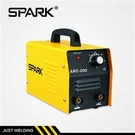



As a seasoned MIG Flux Wire supplier, I've witnessed firsthand the complexities and challenges that come with MIG Flux Wire welding. While this welding technique offers numerous advantages, it's not without its common defects. In this blog, I'll delve into these defects and provide practical strategies to avoid them, ensuring you achieve high-quality welds every time.
1. Porosity
Porosity is one of the most prevalent defects in MIG Flux Wire welding. It appears as small holes or cavities within the weld bead, which can significantly reduce the strength and integrity of the weld.
Causes
- Contaminated Base Metal: Rust, oil, paint, or other contaminants on the base metal surface can release gases during welding, leading to porosity.
- Improper Shielding Gas: Insufficient or improper shielding gas coverage can allow atmospheric gases, such as oxygen and nitrogen, to enter the weld pool and form pores.
- High Welding Speed: Welding too fast can prevent the gases from escaping the weld pool before it solidifies, resulting in porosity.
Solutions
- Clean the Base Metal: Thoroughly clean the base metal surface using a wire brush, grinder, or chemical cleaners to remove any contaminants.
- Check the Shielding Gas: Ensure the shielding gas flow rate is set correctly and that the gas is pure. A flow rate of 15-25 cubic feet per hour (CFH) is typically recommended for MIG Flux Wire welding.
- Adjust the Welding Speed: Slow down the welding speed to allow the gases to escape the weld pool. This will help prevent porosity and improve the overall quality of the weld.
2. Lack of Fusion
Lack of fusion occurs when the weld metal fails to properly bond with the base metal or adjacent weld beads. This defect can weaken the weld and make it more susceptible to cracking.
Causes
- Insufficient Heat Input: If the welding current or voltage is too low, the weld metal may not reach the necessary temperature to fuse with the base metal.
- Improper Welding Technique: Incorrect electrode angle, travel speed, or weaving pattern can prevent the weld metal from flowing into the joint and achieving proper fusion.
- Dirty or Oxidized Joint Surfaces: Contaminants or oxidation on the joint surfaces can create a barrier that prevents the weld metal from bonding with the base metal.
Solutions
- Increase the Heat Input: Adjust the welding current and voltage settings to ensure sufficient heat is being applied to the joint. This will help the weld metal melt and fuse with the base metal.
- Improve the Welding Technique: Use the correct electrode angle, travel speed, and weaving pattern to ensure proper fusion. Practice your welding technique on scrap metal to improve your skills.
- Clean the Joint Surfaces: Thoroughly clean the joint surfaces using a wire brush or grinder to remove any contaminants or oxidation. This will help the weld metal bond with the base metal more effectively.
3. Undercutting
Undercutting is a groove or depression that forms along the edges of the weld bead. This defect can weaken the weld and reduce its fatigue resistance.
Causes
- High Welding Current: Excessive welding current can cause the base metal to melt too quickly, resulting in undercutting.
- Fast Welding Speed: Welding too fast can prevent the weld metal from filling the joint properly, leaving a groove along the edges.
- Improper Electrode Angle: An incorrect electrode angle can cause the weld metal to flow away from the joint, resulting in undercutting.
Solutions
- Reduce the Welding Current: Lower the welding current to a level that allows the weld metal to melt without overheating the base metal.
- Slow Down the Welding Speed: Decrease the welding speed to ensure the weld metal has enough time to fill the joint properly.
- Adjust the Electrode Angle: Use the correct electrode angle to direct the weld metal into the joint and prevent it from flowing away.
4. Cracking
Cracking is a serious defect that can compromise the integrity of the weld. There are two main types of cracking: hot cracking and cold cracking.
Hot Cracking
- Causes: Hot cracking occurs during the solidification process when the weld metal is still in a semi-liquid state. It is often caused by high levels of sulfur, phosphorus, or other impurities in the weld metal, as well as excessive restraint or stress on the weld.
- Solutions: To prevent hot cracking, use a low-hydrogen welding wire and ensure the base metal is clean and free of impurities. Avoid overwelding or applying excessive stress to the weld during the cooling process.
Cold Cracking
- Causes: Cold cracking occurs after the weld has cooled to room temperature. It is often caused by hydrogen embrittlement, which can occur when hydrogen is trapped in the weld metal during the welding process. Cold cracking can also be caused by residual stresses in the weld or base metal.
- Solutions: To prevent cold cracking, use a low-hydrogen welding wire and preheat the base metal to reduce the risk of hydrogen embrittlement. Post-weld heat treatment can also help relieve residual stresses and prevent cold cracking.
5. Spatter
Spatter is the formation of small droplets of molten metal that are ejected from the weld pool during welding. This defect can cause a messy appearance and may also pose a safety hazard.
Causes


- High Welding Current: Excessive welding current can cause the weld metal to become unstable and eject droplets of molten metal.
- Improper Shielding Gas: Insufficient or improper shielding gas coverage can allow the weld metal to oxidize and form spatter.
- Dirty or Worn Electrode: A dirty or worn electrode can cause the weld metal to stick to the electrode and create spatter.
Solutions
- Reduce the Welding Current: Lower the welding current to a level that allows the weld metal to flow smoothly without becoming unstable.
- Check the Shielding Gas: Ensure the shielding gas flow rate is set correctly and that the gas is pure. A flow rate of 15-25 cubic feet per hour (CFH) is typically recommended for MIG Flux Wire welding.
- Replace the Electrode: If the electrode is dirty or worn, replace it with a new one. This will help prevent the weld metal from sticking to the electrode and creating spatter.
Choosing the Right Welding Machine
In addition to addressing the common defects in MIG Flux Wire welding, choosing the right welding machine is crucial for achieving high-quality welds. As a MIG Flux Wire supplier, I recommend considering the following types of welding machines:
- Inverter Mig Welding Machine: These machines are lightweight, portable, and energy-efficient, making them ideal for both professional and DIY welders.
- MIG Welding Machine With Wheel: These machines are equipped with wheels, making them easy to move around the workshop or job site.
- Three PCB MIG Welding Machine: These machines are designed for heavy-duty welding applications and offer high performance and reliability.
Conclusion
MIG Flux Wire welding is a versatile and efficient welding technique, but it's important to be aware of the common defects and how to avoid them. By following the tips and strategies outlined in this blog, you can achieve high-quality welds and improve the overall performance of your welding projects. If you have any questions or need further assistance, please don't hesitate to contact me. I'm here to help you find the right MIG Flux Wire and welding equipment for your needs. Whether you're a professional welder or a DIY enthusiast, I'm confident that I can provide you with the products and support you need to succeed. Contact me today to discuss your welding requirements and explore the possibilities of working together.
References
- American Welding Society. (2020). Welding Handbook, Volume 1: Fundamentals of Welding.
- Oberg, E., Jones, F. D., Horton, H. L., & Ryffel, H. H. (2016). Machinery's Handbook: A Reference Book for the Mechanical Engineer, Designer, Manufacturing Engineer, Draftsman, Toolmaker, and Machinist.
- Welding Journal. (2021). The Welding Journal is a peer-reviewed publication that covers a wide range of welding topics, including MIG Flux Wire welding.