




Is it necessary to wear protective equipment when using a cutting machine? That's a question I get asked a lot as a supplier of cutting machines. I've seen firsthand the importance of safety in the workplace, and I'm here to share my thoughts on this topic.
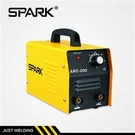
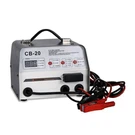
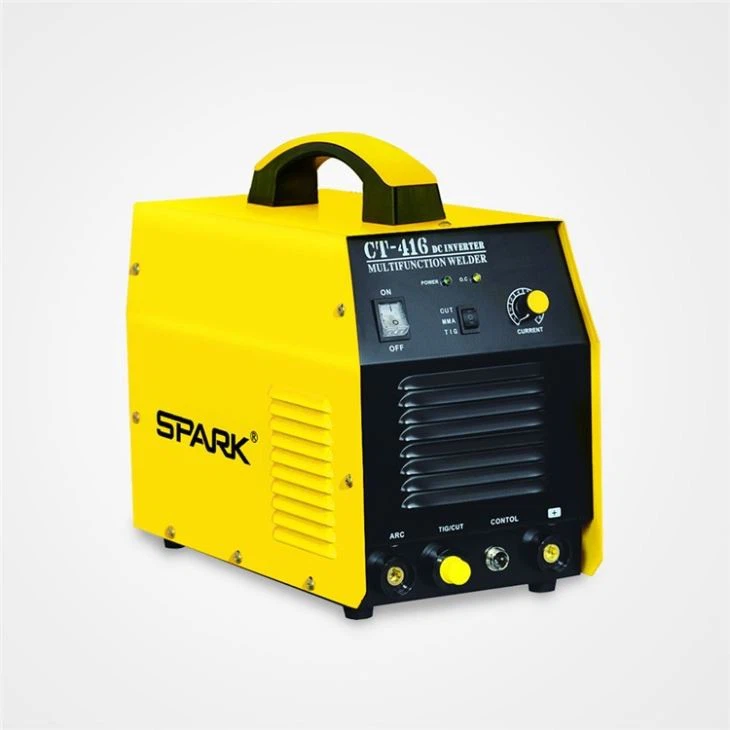
Let's start by talking about the types of cutting machines I offer. I've got a great range, from the 3 in 1 ARC TIG Cutting Equipment that combines multiple functions in one unit, to the Single Phase Cutting Machine which is perfect for smaller jobs, and the Three Phase Cutting Machine for more heavy - duty tasks. Each of these machines is designed to cut through different materials like metal, plastic, and wood with precision and power.
Now, back to the main question: is it necessary to wear protective equipment? The short answer is yes, it's absolutely necessary. Using a cutting machine without proper protection is like playing Russian roulette with your safety.
First off, let's talk about eye protection. When you're using a cutting machine, tiny particles are flying everywhere. These can be metal shavings, wood chips, or plastic fragments. Even the smallest particle can cause serious damage to your eyes. A simple pair of safety glasses or goggles can prevent these particles from getting into your eyes. I've seen workers who didn't wear eye protection end up with eye injuries that could have been easily avoided. One guy I know got a metal sliver in his eye, and it took him weeks to recover. So, don't be that guy. Invest in a good pair of safety glasses and wear them every time you use a cutting machine.
Next up is ear protection. Cutting machines can be really loud. Prolonged exposure to high - decibel noise can lead to hearing loss. It might not seem like a big deal at first, but over time, the damage accumulates. Earplugs or earmuffs are cheap and easy to use. They'll keep your ears safe while you're getting the job done. I always make sure to wear ear protection when I'm testing out our cutting machines in the workshop. It's just common sense.
Gloves are also a must - have. When you're handling a cutting machine, you're in close contact with sharp edges and hot surfaces. Gloves provide a barrier between your hands and the machine. They protect your hands from cuts, burns, and chemical exposure. There are different types of gloves for different types of cutting. For example, if you're cutting metal, you'll want gloves that are cut - resistant. If you're working with chemicals or hot materials, you'll need heat - resistant or chemical - resistant gloves.
Another important piece of protective equipment is a dust mask. When you're cutting materials like wood or plastic, dust is created. Inhaling this dust can cause respiratory problems, such as asthma and lung cancer. A dust mask filters out the harmful particles, allowing you to breathe clean air. It's not something you want to skip.

Let's not forget about safety shoes. Cutting machines often involve heavy objects and sharp tools. If something heavy falls on your foot or you accidentally step on a sharp object, safety shoes can prevent serious injuries. They have a steel toe cap that protects your toes from impact.
Some people might think that wearing protective equipment is a hassle. They say it slows them down or makes them feel uncomfortable. But let me tell you, the few minutes it takes to put on the right protective gear is nothing compared to the potential consequences of not wearing it. An injury can mean lost work time, medical bills, and a lot of pain and suffering.
I know that some of you might be on a tight budget and think that buying protective equipment is an unnecessary expense. But here's the thing: safety is an investment. The cost of protective equipment is far less than the cost of an injury. And as a cutting machine supplier, I can tell you that most of our customers understand the importance of safety. They know that a safe workplace is a productive workplace.
In addition to protecting yourself, wearing protective equipment also sets a good example for others. If you're a supervisor or a team leader, your workers will follow your lead. By wearing protective equipment, you're showing them that safety is a priority.
So, to sum it up, wearing protective equipment when using a cutting machine is not just a good idea; it's a necessity. It protects you from a wide range of potential injuries, from minor cuts and bruises to life - altering disabilities.
As a cutting machine supplier, I'm committed to providing high - quality cutting machines that are both efficient and safe. But safety doesn't stop at the machine itself. You need to take responsibility for your own safety by wearing the right protective equipment.
If you're in the market for a cutting machine, whether it's the 3 in 1 ARC TIG Cutting Equipment, the Single Phase Cutting Machine, or the Three Phase Cutting Machine, I'm here to help. We offer a wide range of cutting machines to suit different needs and budgets. And we can also provide advice on the right protective equipment for your specific cutting tasks.
If you're interested in purchasing a cutting machine or have any questions about safety, don't hesitate to get in touch. We're always happy to talk to potential customers and help them make the right choice.
References
- Occupational Safety and Health Administration (OSHA) guidelines on machine safety.
- National Institute for Occupational Safety and Health (NIOSH) reports on workplace injuries related to cutting machines.