


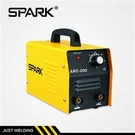


As a supplier of MMA Tig Cut Machines, I understand the importance of ensuring these machines operate at their best. These multifunctional devices are widely used in various welding and cutting applications, but like any equipment, they can encounter common problems. In this blog, I'll share some practical troubleshooting tips to help you resolve these issues and keep your operations running smoothly.
1. No Power Supply
One of the most common problems users face is when the MMA Tig Cut Machine doesn't power on. This can be a frustrating issue, but it's often due to simple causes.
- Check the Power Cord: First, ensure that the power cord is properly plugged into a functioning electrical outlet. Sometimes, the cord may become loose over time or during machine movement. If the outlet has a switch, make sure it's turned on. You can also try plugging another device into the same outlet to confirm that it's supplying power.
- Inspect the Circuit Breaker or Fuse: A tripped circuit breaker or a blown fuse can cut off the power supply to the machine. Check your electrical panel for any tripped breakers and reset them if necessary. If you suspect a blown fuse, locate the fuse box on the machine and replace the fuse with one of the same rating.
2. Poor Arc Starting
A weak or inconsistent arc can significantly affect the quality of your welding or cutting work. Here are some possible causes and solutions:


- Electrode Issues: The electrode you're using may be damaged, dirty, or the wrong type for the job. Make sure to use the correct electrode for the material you're working on and check for any signs of wear or damage. Clean the electrode if it's dirty, as contaminants can interfere with arc starting.
- Welding Current Settings: Incorrect current settings can also lead to poor arc starting. Refer to the machine's manual to determine the appropriate current range for your electrode and the thickness of the material. Adjust the current settings accordingly to achieve a stable arc.
- Ground Connection: A poor ground connection can cause problems with arc starting. Ensure that the ground clamp is securely attached to the workpiece and that the connection is clean and free of rust or debris. A good ground connection is essential for a stable electrical circuit.
3. Excessive Spatter
Spatter is the unwanted droplets of molten metal that are ejected during the welding or cutting process. Excessive spatter can not only make your work area messy but also affect the quality of the weld.
- Shielding Gas Issues: If your machine uses shielding gas, an improper gas flow rate or a contaminated gas supply can cause excessive spatter. Check the gas flow meter to ensure that the gas is flowing at the correct rate. If the gas cylinder is running low, replace it with a full one. Also, make sure the gas hose is not kinked or damaged.
- Welding Technique: Your welding technique can also contribute to spatter. Try to maintain a consistent travel speed and angle while welding. A too-fast or too-slow travel speed can cause spatter, as can an incorrect electrode angle. Practice your technique to achieve a smooth and stable weld.
- Electrode and Wire Selection: Using the wrong electrode or wire can also lead to excessive spatter. Make sure to choose the appropriate electrode or wire for the material and the welding process you're using.
4. Overheating
Overheating is a serious issue that can damage the machine and reduce its lifespan. Here's how you can prevent and troubleshoot overheating problems:
- Ventilation: Ensure that the machine has adequate ventilation. Make sure the vents on the machine are not blocked by dust, debris, or other objects. A blocked vent can prevent proper air circulation, causing the machine to overheat.
- Duty Cycle: The duty cycle of the machine indicates the amount of time it can operate continuously before it needs to cool down. If you're using the machine for extended periods without giving it a break, it may overheat. Refer to the machine's manual to determine its duty cycle and make sure to follow the recommended usage guidelines.
- Internal Components: Overheating can also be caused by a malfunctioning internal component, such as a faulty fan or a damaged power supply. If you suspect an internal problem, it's best to contact a professional technician for further inspection and repair.
5. Inconsistent Cutting Performance
If you're using the machine for cutting, you may encounter issues with inconsistent cutting performance, such as uneven cuts or difficulty cutting through thick materials.
- Cutting Torch and Nozzle: Check the cutting torch and nozzle for any signs of damage or wear. A damaged torch or nozzle can affect the quality of the cut. Replace the torch or nozzle if necessary.
- Gas Pressure and Flow: Ensure that the gas pressure and flow are set correctly for the thickness of the material you're cutting. Incorrect gas settings can lead to poor cutting performance. Refer to the machine's manual for the recommended gas pressure and flow rates.
- Cutting Speed: Your cutting speed can also affect the quality of the cut. Try to maintain a consistent cutting speed and avoid going too fast or too slow. A too-fast cutting speed can result in an incomplete cut, while a too-slow speed can cause excessive heat and damage to the material.
Conclusion
By following these troubleshooting tips, you can effectively resolve common problems with your MMA Tig Cut Machine and keep it operating at its best. However, if you encounter any issues that you're unable to resolve on your own, don't hesitate to contact us. As a professional supplier of Cutting Machine with Lift TIG, Multifunctional Welding Machine, and MMA Tig Cut Machine, we have a team of experts who can provide you with the support and assistance you need.
Whether you're looking to purchase a new machine or need help with maintenance and repair, we're here to help. Contact us today to discuss your requirements and explore how our products can meet your needs.
References
- Manufacturer's manuals for MMA Tig Cut Machines
- Industry standards and best practices for welding and cutting equipment