

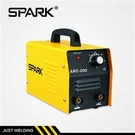



As a supplier of TIG welding machines, I've encountered numerous customers facing the issue of the electrode not melting during TIG welding. This problem can be quite frustrating, as it halts the welding process and affects productivity. In this blog post, I'll share some effective troubleshooting steps to help you resolve this problem.
1. Check the Power Supply
The first thing to examine is the power supply of your TIG welding machine. An inadequate power supply can prevent the electrode from reaching the necessary temperature to melt.
- Verify the Voltage: Ensure that the voltage supplied to the welding machine matches its requirements. For instance, our Industrial 380V Professional TIG for Welding Aluminium is designed to operate at 380V. Using a voltage that is too low can result in insufficient power to melt the electrode. You can use a multimeter to measure the input voltage accurately.
- Inspect the Power Cord: A damaged power cord can disrupt the flow of electricity. Look for any signs of cuts, frays, or loose connections. If you find any issues, replace the power cord immediately. Make sure the cord is properly plugged into both the welding machine and the power outlet.
- Check the Circuit Breaker: Sometimes, the circuit breaker may trip due to an overload or a short - circuit. Check the circuit breaker panel and reset it if necessary. If the breaker keeps tripping, there may be a more serious electrical problem with the welding machine or the power supply, and you should consult a professional electrician.
2. Examine the Electrode
The electrode plays a crucial role in TIG welding, and its condition can significantly impact the melting process.


- Electrode Material and Size: Ensure that you are using the correct electrode material and size for your welding application. Different materials have different melting points and electrical conductivity. For example, tungsten electrodes are commonly used in TIG welding. If you are welding aluminum, you might need a specific type of tungsten electrode, such as a ceriated or lanthanated tungsten. Also, using an electrode that is too large or too small for the welding current can prevent proper melting. Refer to the welding machine's manual for the recommended electrode size and type.
- Electrode Contamination: Contaminated electrodes can cause poor arc initiation and melting problems. Check the electrode for any signs of oxidation, dirt, or metal spatter. If the electrode is contaminated, you can use a clean, fine - grit file to gently clean the tip. Avoid using abrasive materials that could damage the electrode. In some cases, it may be necessary to replace the electrode if the contamination is severe.
- Electrode Extension: The length of the electrode extension (the part of the electrode that extends beyond the collet) is important. If the extension is too long, the heat may dissipate before reaching the tip, resulting in insufficient melting. On the other hand, if the extension is too short, the electrode may not be able to create a stable arc. Adjust the electrode extension according to the welding machine's specifications.
3. Evaluate the Welding Current and Amperage
The welding current and amperage settings are directly related to the heat generated at the electrode, which affects its melting.
- Check the Amperage Setting: Review the amperage setting on your welding machine. If the amperage is set too low, the electrode will not receive enough heat to melt. Refer to the welding chart for the material and thickness you are welding. For example, when welding thin materials, you may need a lower amperage, while thicker materials require higher amperage. Our DC Single Phase TIG Welding Machine allows for precise amperage adjustment to meet different welding needs.
- Verify the Current Output: Use an ammeter to measure the actual current output of the welding machine. Sometimes, the displayed amperage on the machine may not match the actual output due to a malfunction. If there is a significant difference between the set and measured amperage, there may be a problem with the welding machine's internal circuitry, and you should contact our technical support team for further assistance.
4. Analyze the Gas Supply
Shielding gas is essential in TIG welding as it protects the weld pool and the electrode from oxidation. A problem with the gas supply can also lead to electrode melting issues.
- Gas Type and Flow Rate: Make sure you are using the correct shielding gas for your welding application. Argon is commonly used for TIG welding, but for some materials, a mixture of gases may be required. Check the gas flow rate. A low gas flow rate can result in insufficient shielding, which may cause the electrode to overheat or not melt properly. You can use a flow meter to measure the gas flow rate and adjust it according to the welding machine's recommendations.
- Gas Leaks: Inspect the gas hose and connections for any leaks. A gas leak can reduce the amount of shielding gas reaching the weld area. You can use a soapy water solution to check for leaks. Apply the solution to the connections and look for bubbles. If you find a leak, tighten the connection or replace the damaged part.
5. Look into the Welding Machine's Internal Components
If all the above steps do not solve the problem, there may be an issue with the internal components of the welding machine.
- Inspect the Transformer: The transformer is responsible for converting the input voltage to the appropriate welding voltage. A faulty transformer can lead to inconsistent power output and electrode melting problems. Look for any signs of overheating, such as a burnt smell or discolored components. If you suspect a problem with the transformer, it is best to have it tested and repaired by a professional technician.
- Check the Control Board: The control board regulates the various functions of the welding machine, including the amperage and gas flow. A malfunctioning control board can cause incorrect settings or erratic behavior. If you have some technical knowledge, you can check for loose connections or damaged components on the control board. However, if you are not experienced, it is advisable to seek professional help.
Conclusion
Troubleshooting a TIG welding machine with an electrode not melting requires a systematic approach. By checking the power supply, electrode, welding current, gas supply, and internal components, you can identify and resolve the problem. If you are still having difficulties after following these steps, our team of experts is always ready to assist you.
We offer a wide range of high - quality TIG welding machines, such as the Industrial 380V Professional TIG for Welding Aluminium, DC Single Phase TIG Welding Machine, and AC/DC TIG for Welding Aluminium. If you are interested in purchasing a TIG welding machine or need further technical support, please feel free to contact us for procurement and negotiation.
References
- Welding Handbook, American Welding Society
- TIG Welding Manuals provided by the welding machine manufacturers