


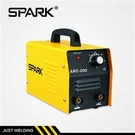


Hey there, fellow welding enthusiasts! I'm a supplier of the BX1 - 200C AC Welding Machine, and today I'm gonna share some tips on how to optimize the welding parameters of this awesome machine.
First off, let's talk about why optimizing welding parameters is so important. When you get the parameters right, you can achieve better weld quality, like stronger joints, less spatter, and a smoother finish. It also helps in increasing the efficiency of your welding process and reducing the wear and tear on your machine.
Understanding the Basics of BX1 - 200C AC Welding Machine
The BX1-200C AC Welding Machine is a reliable and popular choice for many welding jobs. It uses alternating current, which has its own set of advantages and challenges compared to direct current.
One of the key things to understand about this machine is its power output. The BX1 - 200C has a rated output current that can vary depending on the settings. You need to adjust this current according to the thickness of the metal you're welding. For thinner metals, you'll want to use a lower current to avoid burning through the material. On the other hand, thicker metals require a higher current to ensure proper penetration.
Selecting the Right Electrode
The electrode you choose plays a huge role in the welding process. Different electrodes are designed for different types of metals and welding applications. For the BX1 - 200C, you need to pick an electrode that is compatible with the machine's power output and the metal you're working with.
For example, if you're welding mild steel, a common choice is an E6013 electrode. It's easy to use, produces a smooth weld, and is suitable for a wide range of welding positions. However, if you're dealing with high - strength steel, you might want to consider an E7018 electrode, which offers better strength and ductility.
When selecting an electrode, also pay attention to its diameter. A smaller diameter electrode is better for thin metals and for making precise welds. A larger diameter electrode, on the other hand, can handle higher currents and is more suitable for thick metals.
Adjusting the Current
As I mentioned earlier, adjusting the current is crucial. To figure out the right current setting, you can start with a general rule of thumb. For every 1/32 inch of metal thickness, you'll need about 10 - 15 amps of current. But this is just a starting point, and you may need to make some adjustments based on your actual welding experience.

If you set the current too low, the weld may not penetrate the metal properly, resulting in a weak joint. You'll also notice that the arc is unstable, and the electrode may stick to the metal. On the other hand, if the current is too high, you'll get excessive spatter, a wide and shallow weld bead, and there's a risk of burning through the metal.
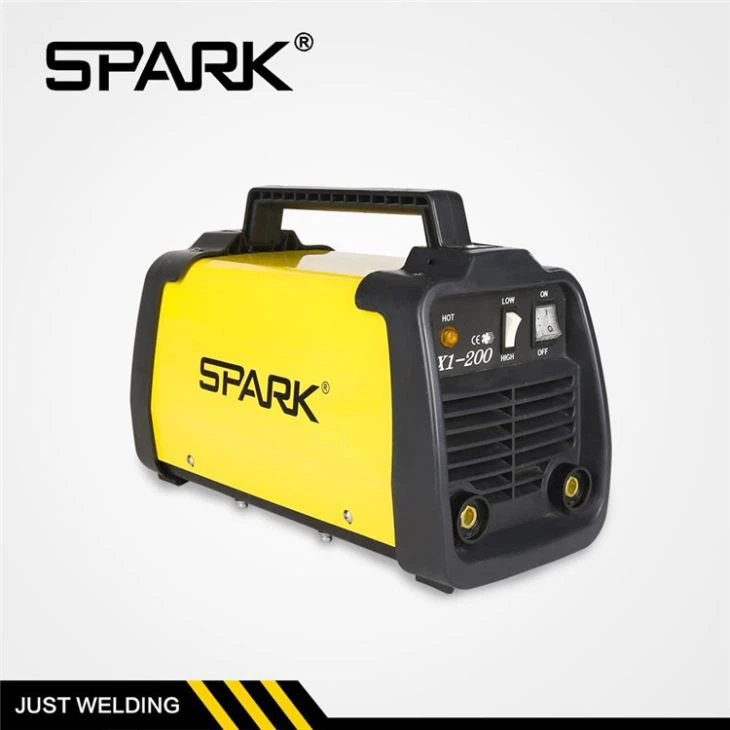
To adjust the current on the BX1 - 200C, you usually have a control knob on the machine. Turn it clockwise to increase the current and counter - clockwise to decrease it. It's a good idea to do some test welds on a scrap piece of the same metal you'll be using for your actual project. This way, you can see how the weld looks and make any necessary adjustments.
Controlling the Arc Length
The arc length is another important parameter. It's the distance between the tip of the electrode and the workpiece. A proper arc length is essential for maintaining a stable arc and achieving good weld quality.
If the arc length is too short, the electrode may stick to the metal, and the weld will be uneven. If the arc length is too long, the arc will be unstable, and there will be more spatter. A good rule of thumb is to keep the arc length about equal to the diameter of the electrode.
To control the arc length, you need to have a steady hand. As you weld, keep the electrode at the right distance from the workpiece. If you're new to welding, it might take some practice to get the hang of it. But with time, you'll be able to maintain a consistent arc length and produce better welds.
Welding Speed
Welding speed also affects the quality of the weld. If you weld too slowly, the weld bead will be wide and the heat input will be high, which can lead to distortion of the metal. On the other hand, if you weld too fast, the weld may not penetrate properly, and there will be a lack of fusion between the metal layers.
The ideal welding speed depends on several factors, including the current setting, the electrode type, and the thickness of the metal. As a general guideline, you should aim for a speed that allows the weld bead to have a uniform width and good penetration. You can practice on a scrap piece of metal to find the right speed for your specific welding job.
Comparing with Similar Machines
If you're considering different welding machines, you might also look at the BX1-200B AC Welding Machine or the Plastic AC Transformer Welding Machine. The BX1 - 200B has some similarities with the BX1 - 200C, but it may have different power outputs and features. The plastic AC transformer welding machine, on the other hand, is designed for specific applications, like welding plastic materials.
However, the BX1 - 200C stands out for its versatility and reliability in welding various types of metals. It's a great choice for both beginners and experienced welders.
Conclusion and Call to Action
Optimizing the welding parameters of the BX1 - 200C AC Welding Machine takes some time and practice, but it's definitely worth it. By getting the current, electrode selection, arc length, and welding speed right, you can achieve high - quality welds and make your welding projects more successful.
If you're in the market for a reliable welding machine or want to learn more about optimizing the parameters of the BX1 - 200C, don't hesitate to reach out. We're here to help you with all your welding needs. Whether you're a small - scale DIYer or a professional welder, our BX1 - 200C can be a great addition to your workshop.
So, if you're interested in purchasing the BX1 - 200C or have any questions about it, feel free to contact us for more information and to start a procurement discussion. We're looking forward to working with you!
References
- AWS Welding Handbook, American Welding Society
- Welding Technology textbooks from industry - recognized publishers