


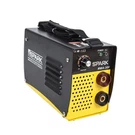
Hey there! As a supplier of Single Phase Cutting Machines, I often get asked about how to measure the cutting accuracy of these machines. In this blog post, I'll share some practical methods and insights based on my experience in the industry.


First off, what exactly is a Single Phase Cutting Machine? A Single Phase Cutting Machine is a handy piece of equipment commonly used in small - scale workshops, DIY projects, and some light - industrial applications. It's powered by a single - phase electrical supply, which makes it more accessible for many users compared to its three - phase counterparts like the Three Phase Cutting Machine.
Now, let's dive into measuring the cutting accuracy.
1. Dimensional Accuracy
One of the most straightforward ways to measure cutting accuracy is by checking the dimensional accuracy of the cut pieces. You'll need some basic measuring tools like a caliper or a micrometer.
- Initial Setup: Before you start cutting, make sure your material is properly secured. Any movement during the cutting process can lead to inaccurate cuts. Measure the material you're about to cut at several points to establish its original dimensions.
- Making the Cut: Once you've made the cut, measure the cut piece at multiple locations. For example, if you're cutting a rectangular piece, measure the length, width, and thickness at different ends and middle points. Compare these measurements with your intended dimensions. A high - quality Single Phase Cutting Machine should be able to cut within a tolerance of a few thousandths of an inch or a fraction of a millimeter, depending on the machine's specifications.
- Calculating the Error: To calculate the dimensional error, subtract the actual measured dimension from the intended dimension. Then, divide this difference by the intended dimension and multiply by 100 to get the percentage error. For instance, if you intended to cut a piece to be 100 mm long, but it measures 99.8 mm, the error is (100 - 99.8) / 100 * 100 = 0.2%.
2. Straightness of the Cut
A straight cut is crucial in many applications. To measure the straightness of the cut:
- Visual Inspection: First, do a visual check. Place the cut piece on a flat surface and look for any obvious bends or curves. You can also use a straightedge. Place it along the cut edge and look for gaps between the straightedge and the cut.
- Using a Laser or Optical Alignment Tool: For more precise measurements, you can use a laser or optical alignment tool. These tools project a straight line onto the cut surface, allowing you to easily spot any deviations from a straight line. Some advanced Single Phase Cutting Machines come with built - in alignment features that can help you achieve a straighter cut right from the start.
3. Kerf Width
The kerf is the width of the slot created by the cutting process. Measuring the kerf width is important as it can affect the overall accuracy of your cuts, especially when you're making multiple cuts or fitting pieces together.
- Measuring the Kerf: You can measure the kerf width by cutting a piece of material and then measuring the width of the slot left behind. Use a caliper or a micrometer to get an accurate measurement. The kerf width can vary depending on the type of cutting process (e.g., plasma cutting, saw cutting) and the cutting tool used.
- Consistency of Kerf Width: In addition to measuring the kerf width, it's also important to check its consistency along the length of the cut. If the kerf width varies significantly, it can indicate problems with the cutting tool, the machine's alignment, or the feed rate.
4. Angular Accuracy
If you're making angled cuts, measuring the angular accuracy is essential.
- Using a Protractor or Angle Gauge: Place a protractor or an angle gauge on the cut surface to measure the angle of the cut. Make sure the measuring tool is properly aligned with the cut edge. Compare the measured angle with the intended angle.
- Digital Angle Measuring Tools: For more precise measurements, you can use digital angle measuring tools. These tools can provide accurate readings up to a fraction of a degree. Some Single Phase Cutting Machines have adjustable cutting heads that allow you to set the cutting angle accurately, but it's still important to measure the actual angle of the cut to ensure accuracy.
Factors Affecting Cutting Accuracy
Several factors can affect the cutting accuracy of a Single Phase Cutting Machine:
- Machine Quality and Maintenance: A well - built and properly maintained machine is more likely to produce accurate cuts. Regularly check and clean the cutting tool, lubricate moving parts, and ensure that all components are in good working condition.
- Cutting Speed and Feed Rate: The cutting speed and feed rate need to be set correctly. If the cutting speed is too high or the feed rate is too fast, it can cause the cutting tool to wear out quickly and lead to inaccurate cuts. On the other hand, if the speed and feed rate are too low, it can result in a rough cut surface.
- Material Properties: Different materials have different properties that can affect the cutting accuracy. For example, soft materials may deform during the cutting process, while hard materials may require a more powerful cutting tool. Make sure you select the appropriate cutting parameters for the material you're working with.
Comparison with Other Cutting Machines
It's worth comparing the cutting accuracy of a Single Phase Cutting Machine with other types of cutting machines. For example, a Three Phase Cutting Machine typically has more power and may be able to achieve higher cutting accuracies in heavy - duty applications. However, Single Phase Cutting Machines are more versatile for small - scale and home - use projects.
Another type of cutting machine is the High Duty Cycle Inverter Cutting Machine. These machines are known for their high - precision cutting and long - term reliability. While they may be more expensive, they can offer a higher level of cutting accuracy compared to some basic Single Phase Cutting Machines.
Conclusion
Measuring the cutting accuracy of a Single Phase Cutting Machine involves checking dimensional accuracy, straightness of the cut, kerf width, and angular accuracy. By using the right measuring tools and following proper procedures, you can ensure that your machine is performing at its best.
If you're in the market for a Single Phase Cutting Machine or want to improve the accuracy of your existing machine, I'd love to have a chat with you. Whether you're a DIY enthusiast or a small - business owner, I can help you find the right solution for your needs. Feel free to reach out and let's start a conversation about your cutting requirements.
References
- Industrial Cutting Machine Handbook
- Cutting Technology Journal
- Manufacturer's Guides for Single Phase Cutting Machines