




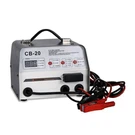

Hey there! As a supplier of single-phase cutting machines, I've seen firsthand the importance of achieving top-notch cutting quality. In this blog, I'll share some practical tips and tricks on how to improve the cutting quality of a single-phase cutting machine. Whether you're a DIY enthusiast or a professional welder, these insights will help you get the most out of your equipment.
Understanding Your Single-Phase Cutting Machine
Before we dive into the tips, let's take a quick look at how a single-phase cutting machine works. Unlike three-phase cutting machines, which are typically used in industrial settings, single-phase cutting machines are designed for smaller-scale applications. They're powered by a single-phase electrical supply, which makes them more accessible and easier to use in a home or workshop environment.
One of the key advantages of a single-phase cutting machine is its portability. You can easily move it around your workspace or take it on-site for jobs. However, because they have a lower power output compared to three-phase machines, it's important to use them correctly to achieve the best cutting quality.
Selecting the Right Cutting Consumables
The quality of your cutting consumables can have a significant impact on the cutting quality of your single-phase cutting machine. Here are some key consumables to consider:
- Electrodes: The type of electrode you use depends on the material you're cutting and the thickness of the material. For example, if you're cutting mild steel, you might use a 6010 or 6011 electrode. Make sure to choose electrodes that are compatible with your cutting machine and follow the manufacturer's recommendations.
- Nozzles: The nozzle is responsible for directing the plasma arc onto the material being cut. Different nozzles are designed for different cutting applications, so it's important to choose the right one. A worn or damaged nozzle can cause uneven cutting and poor quality cuts.
- Shields: Shields help to protect the electrode and the nozzle from damage and improve the cutting quality. They also help to reduce the amount of spatter and debris produced during the cutting process.
Adjusting the Cutting Parameters
Properly adjusting the cutting parameters is crucial for achieving high-quality cuts. Here are some key parameters to consider:
- Current: The current setting determines the intensity of the plasma arc. If the current is too low, the cutting speed will be slow and the cut may not be clean. If the current is too high, the material may overheat and the cut may be rough. Make sure to adjust the current setting based on the thickness of the material you're cutting.
- Voltage: The voltage setting affects the length of the plasma arc. A higher voltage setting will result in a longer arc, which can be useful for cutting thicker materials. However, a higher voltage setting also increases the risk of arcing and can cause damage to the cutting machine.
- Gas Flow: The gas flow rate is important for maintaining a stable plasma arc and preventing the electrode from overheating. Make sure to adjust the gas flow rate based on the type of gas you're using and the thickness of the material you're cutting.
Maintaining Your Single-Phase Cutting Machine
Regular maintenance is essential for keeping your single-phase cutting machine in good working condition and ensuring high-quality cuts. Here are some maintenance tips to keep in mind:
- Clean the Machine: After each use, make sure to clean the cutting machine to remove any dirt, debris, or spatter. Use a soft brush or compressed air to clean the machine, and avoid using abrasive materials that could damage the machine.
- Check the Electrical Connections: Loose or damaged electrical connections can cause problems with the cutting machine and affect the cutting quality. Make sure to check the electrical connections regularly and tighten any loose connections.
- Replace Worn Consumables: As mentioned earlier, worn or damaged consumables can cause poor cutting quality. Make sure to replace any worn or damaged consumables as soon as possible to ensure the best cutting performance.
Using the Right Cutting Technique
In addition to selecting the right cutting consumables and adjusting the cutting parameters, using the right cutting technique is also important for achieving high-quality cuts. Here are some tips to keep in mind:
- Keep the Torch Perpendicular: When cutting, make sure to keep the torch perpendicular to the material being cut. This will help to ensure a clean and straight cut.
- Use a Steady Hand: A steady hand is essential for achieving a smooth and even cut. Make sure to hold the torch firmly and move it at a consistent speed.
- Avoid Overheating the Material: Overheating the material can cause the cut to be rough and uneven. Make sure to use the correct cutting parameters and avoid cutting too slowly or too quickly.
Troubleshooting Common Cutting Problems
Even with the best equipment and techniques, you may still encounter some cutting problems from time to time. Here are some common cutting problems and how to troubleshoot them:
- Poor Cutting Quality: If you're experiencing poor cutting quality, check the cutting parameters, the consumables, and the cutting technique. Make sure to adjust the parameters as needed and replace any worn or damaged consumables.
- Excessive Spatter: Excessive spatter can be caused by a number of factors, including incorrect current setting, worn or damaged consumables, or a dirty nozzle. Make sure to adjust the current setting, replace any worn or damaged consumables, and clean the nozzle.
- Arcing: Arcing can be caused by a number of factors, including incorrect voltage setting, worn or damaged consumables, or a dirty nozzle. Make sure to adjust the voltage setting, replace any worn or damaged consumables, and clean the nozzle.
Conclusion
Improving the cutting quality of a single-phase cutting machine requires a combination of the right equipment, the right consumables, the right cutting parameters, and the right cutting technique. By following the tips and tricks outlined in this blog, you can achieve high-quality cuts and get the most out of your single-phase cutting machine.
If you're in the market for a new single-phase cutting machine or need help selecting the right cutting consumables, feel free to contact us. We're here to help you find the right equipment for your needs and provide you with the support and advice you need to achieve the best cutting results.


References
- "Plasma Cutting Basics," Lincoln Electric
- "How to Choose the Right Plasma Cutting Consumables," Hypertherm
- "Tips for Improving Plasma Cutting Quality," ESAB