


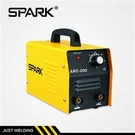


Hey there, fellow welders and welding enthusiasts! As a supplier of Digital MMA Welding Machines, I've seen firsthand how crucial it is to get those welding parameters just right. In this blog, I'm gonna share some tips on how to adjust the welding parameters on a Digital MMA Welding Machine.
Understanding the Basics of Digital MMA Welding Machines
Before we dive into adjusting the parameters, let's quickly go over what a Digital MMA Welding Machine is. MMA stands for Manual Metal Arc welding, also known as stick welding. A digital MMA welding machine is a modern version of the traditional stick welder, offering more precise control and a range of features.
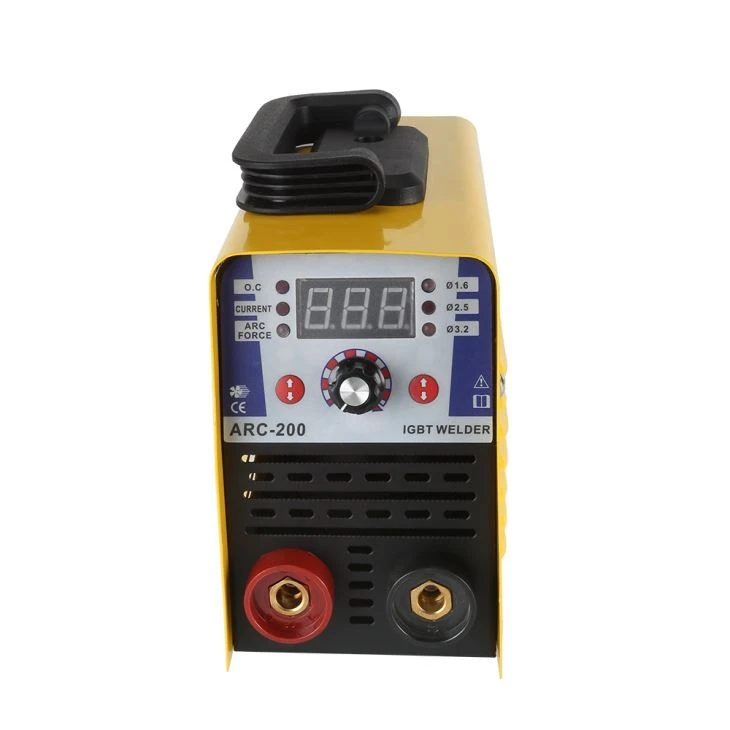
We offer a variety of Digital MMA Welding Machines, like the Single Pcb Arc Welder, the Hand - Held Welding Machine, and the IGBT Inverter MMA Welding Machine. Each of these machines has its own unique features, but they all share the common goal of providing a reliable and efficient welding experience.
Key Welding Parameters
There are several key welding parameters that you need to adjust on a Digital MMA Welding Machine. These include welding current, arc voltage, and welding speed. Let's take a closer look at each of them.
Welding Current
The welding current is probably the most important parameter. It determines the heat input into the weld. A higher current will result in more heat, which is great for thicker materials. But if the current is too high, it can cause the weld to burn through or create a lot of spatter. On the other hand, a lower current is suitable for thinner materials. If the current is too low, the weld may not penetrate properly, leading to a weak joint.
To adjust the welding current on a Digital MMA Welding Machine, you usually just need to use the control panel. Most machines have a digital display that shows the current setting. You can increase or decrease the current by using the up and down buttons. Start with a lower current setting and gradually increase it until you get a good weld bead.
Arc Voltage
Arc voltage is related to the length of the arc between the electrode and the workpiece. A longer arc will result in a higher voltage. However, a very long arc can make the weld unstable and cause more spatter. A shorter arc, on the other hand, gives better control but may be more difficult to maintain.
On a Digital MMA Welding Machine, the arc voltage is often automatically adjusted based on the welding current and the type of electrode. But you can still have some control over it by adjusting the electrode extension (the length of the electrode sticking out of the electrode holder). A shorter electrode extension will generally result in a lower arc voltage.
Welding Speed
Welding speed refers to how fast you move the electrode along the joint. If you move too fast, the weld may not have enough time to penetrate properly, and you'll end up with a weak joint. If you move too slow, you may burn through the material or create a large, uneven weld bead.
Finding the right welding speed takes some practice. You need to watch the weld pool and make sure it's flowing smoothly. A good way to start is to try a few test welds on a scrap piece of the same material you'll be using for your actual project.
Factors Affecting Parameter Adjustment
There are several factors that can affect how you adjust the welding parameters. These include the type of material you're welding, the thickness of the material, and the type of electrode you're using.
Type of Material
Different materials have different melting points and welding characteristics. For example, welding steel is different from welding aluminum. Steel generally requires a higher welding current compared to aluminum. You also need to consider the composition of the material. Some steels may have alloying elements that affect the welding process.

Thickness of the Material
Thicker materials require more heat to weld properly. So, you'll need to increase the welding current and possibly the arc voltage. As a general rule, for every 1/16 - inch increase in material thickness, you may need to increase the welding current by about 10 - 15 amps.
Type of Electrode
There are many different types of electrodes available, each designed for specific applications. The type of electrode you choose will affect the welding parameters. For example, some electrodes are designed for high - speed welding, while others are better for welding in difficult positions. Make sure to read the manufacturer's recommendations for the electrode you're using.
Step - by - Step Parameter Adjustment
Here's a step - by - step guide on how to adjust the welding parameters on a Digital MMA Welding Machine:
- Gather Information: First, find out the type and thickness of the material you'll be welding. Also, check the manufacturer's recommendations for the electrode you're using.
- Set the Initial Parameters: Based on the information you gathered, set the initial welding current on the control panel of the welding machine. Start with a lower current if you're not sure.
- Prepare the Workpiece: Clean the workpiece to remove any dirt, rust, or paint. This will ensure a better weld.
- Start a Test Weld: Make a test weld on a scrap piece of the same material. Watch the weld bead and the weld pool. If the weld bead is too narrow or the penetration is poor, increase the current. If there's too much spatter or the weld is burning through, decrease the current.
- Adjust the Arc Voltage and Welding Speed: While making the test weld, pay attention to the arc voltage and welding speed. Adjust the electrode extension to control the arc voltage, and practice moving the electrode at a consistent speed.
- Finalize the Parameters: Once you're satisfied with the test weld, use the same parameters for your actual project.
Troubleshooting Parameter - Related Issues
Even after adjusting the parameters, you may still encounter some issues. Here are some common problems and how to fix them:
Excessive Spatter
If you're getting a lot of spatter, it could be due to a high welding current, a long arc, or the wrong type of electrode. Try decreasing the current, shortening the arc, or using a different electrode.
Poor Penetration
Poor penetration can be caused by a low welding current or a fast welding speed. Increase the current and slow down your welding speed.
Burn - Through
Burn - through occurs when the welding current is too high or the welding speed is too slow. Decrease the current and increase the welding speed.
Conclusion
Adjusting the welding parameters on a Digital MMA Welding Machine is a skill that takes time and practice. By understanding the key parameters, the factors that affect them, and following the step - by - step guide, you can achieve high - quality welds.
If you're in the market for a Digital MMA Welding Machine or have any questions about adjusting the welding parameters, don't hesitate to reach out. We're here to help you find the right machine for your needs and get the most out of it. Whether you're a professional welder or a DIY enthusiast, our machines and expertise can make your welding projects a success.
References
- AWS Welding Handbook, American Welding Society
- Welding: Principles and Applications, Larry Jeffus