




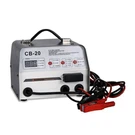

As a supplier of 6V/12V/24V battery chargers, ensuring the accuracy of the output voltage is crucial for both product quality and customer satisfaction. In this blog post, I'll guide you through the process of checking the output voltage of these chargers, sharing insights from my experience in the industry.
Why Check the Output Voltage?
Before delving into the checking process, it's essential to understand why verifying the output voltage is so important. An incorrect output voltage can lead to various issues. If the voltage is too low, the battery may not charge properly, resulting in reduced battery life and performance. On the other hand, an excessively high voltage can overcharge the battery, causing damage to the battery cells, potential safety hazards, and even fire risks. Therefore, regular voltage checks are a fundamental part of maintaining the integrity of the charging system and protecting the end - user's equipment.
Tools Required
To check the output voltage of a 6V/12V/24V battery charger, you'll need a few basic tools:
- Multimeter: This is the most important tool for this task. A good quality digital multimeter can accurately measure voltage, current, and resistance. Make sure the multimeter has a sufficient voltage range to measure the output of your charger (at least up to 24V).
- Safety Gear: Safety should always be a priority. Wear insulated gloves and safety glasses to protect yourself from potential electrical shocks.
Pre - Check Preparations
- Inspect the Charger: Before connecting the multimeter, visually inspect the charger for any signs of damage, such as frayed wires, cracked casings, or loose connections. If you notice any damage, do not proceed with the voltage check and instead have the charger repaired or replaced.
- Turn Off the Charger: Ensure that the charger is turned off and unplugged from the power source. This will prevent any electrical accidents during the setup process.
- Select the Correct Voltage Range on the Multimeter: Set the multimeter to the DC voltage range. For a 6V charger, select a range slightly above 6V (e.g., 10V). For a 12V charger, select a range around 20V, and for a 24V charger, select a range of at least 30V.
Checking the Output Voltage
- Connect the Multimeter Probes: Connect the red probe of the multimeter to the positive terminal of the charger's output and the black probe to the negative terminal. Make sure the connections are secure.
- Power On the Charger: Plug the charger into the power source and turn it on. The multimeter should now display the output voltage of the charger.
- Read the Voltage Reading: Observe the voltage reading on the multimeter. Compare it with the rated output voltage of the charger. For example, if you are testing a 12V charger, the reading should be close to 12V. A small deviation (usually within ± 0.5V) is normal due to factors such as load variations and internal resistance of the charger.
Interpreting the Results
- Correct Voltage: If the reading is within the acceptable range, the charger is functioning properly. You can continue to use the charger with confidence.
- Low Voltage: If the voltage reading is significantly lower than the rated output voltage, there may be a problem with the charger's internal circuitry, such as a faulty transformer or a damaged rectifier. In this case, it's advisable to have the charger inspected by a professional technician.
- High Voltage: A voltage reading that is much higher than the rated output can be extremely dangerous. It could be caused by a malfunctioning voltage regulator or a short - circuit in the charger. Immediately turn off the charger and do not use it until it has been repaired.
Different Types of Chargers and Their Voltage Checks
As a supplier, we offer a variety of chargers, each with its own characteristics.
Industrial Charger and Starter
The Industrial Charger and Starter is designed for heavy - duty applications. When checking its output voltage, pay special attention to the load capacity. Industrial chargers often need to handle large currents, and the voltage may vary slightly under different load conditions. It's recommended to perform the voltage check with a load similar to the actual operating load to get a more accurate reading.
Multifunctional Charger with Charging State
The Multifunctional Charger with Charging State has additional features such as indicating the charging state. When checking the voltage, make sure to understand how these features interact with the output voltage. Some chargers may adjust the output voltage based on the charging state, so it's important to check the voltage at different stages of the charging process.
Movable Heavy Charger with Wheel
The Movable Heavy Charger with Wheel is designed for easy transportation. Due to its portability, it may be subject to more vibrations and impacts, which can potentially affect the internal components and the output voltage. Regular voltage checks are especially important for this type of charger to ensure its reliability.
Regular Maintenance and Voltage Checks
To ensure the long - term performance and safety of our 6V/12V/24V battery chargers, we recommend regular maintenance and voltage checks. Establish a schedule for checking the output voltage, especially for chargers that are used frequently or in harsh environments. This proactive approach can help identify potential problems early and prevent costly repairs or replacements.
Conclusion
Checking the output voltage of a 6V/12V/24V battery charger is a simple yet essential task. By following the steps outlined in this blog post, you can ensure that your chargers are functioning properly and providing the correct voltage to your batteries. As a supplier, we are committed to providing high - quality chargers, and we encourage our customers to take an active role in maintaining the performance and safety of these products.
If you are interested in purchasing our 6V/12V/24V battery chargers or have any questions about voltage checks or charger maintenance, please feel free to contact us for further discussion and procurement negotiation.


References
- "Electrical Engineering Fundamentals" - A comprehensive textbook on electrical concepts and measurements.
- Manufacturer's manuals for the battery chargers and multimeters used in the voltage - checking process.