




As a supplier of MIG MAG welding machines, I often receive inquiries from customers about the suitability of our machines for welding thin - gauge aluminum. Aluminum welding, especially of thin materials, presents unique challenges, and understanding whether a MIG MAG welding machine can handle this task is crucial for both professional welders and DIY enthusiasts.
Understanding MIG MAG Welding
MIG (Metal Inert Gas) and MAG (Metal Active Gas) welding are popular arc - welding processes. In MIG welding, an inert gas such as argon is used to shield the weld pool from atmospheric contamination. MAG welding, on the other hand, uses an active gas mixture, typically containing carbon dioxide, which can improve the arc stability and penetration. These processes are known for their high deposition rates, ease of use, and suitability for a wide range of materials.
Challenges in Welding Thin - Gauge Aluminum
Thin - gauge aluminum, usually defined as aluminum with a thickness of less than 3mm, poses several difficulties during welding. Firstly, aluminum has a high thermal conductivity, which means it dissipates heat quickly. This can lead to insufficient fusion if the heat input is too low. Secondly, aluminum has a relatively low melting point compared to other metals, and thin - gauge aluminum is even more prone to warping and burn - through if the heat input is too high. Additionally, aluminum forms a tough oxide layer on its surface, which must be removed before welding to ensure good weld quality.
Can a MIG MAG Welding Machine Be Used?
The short answer is yes, a MIG MAG welding machine can be used for welding thin - gauge aluminum, but certain conditions need to be met.
Machine Capabilities
Modern MIG MAG welding machines are designed with advanced features that make them suitable for aluminum welding. For example, they often have adjustable voltage and wire feed speed settings. These settings allow the welder to precisely control the heat input, which is essential for welding thin - gauge aluminum. A machine with a fine - tuned control system can deliver just the right amount of energy to melt the aluminum without causing burn - through or warping.
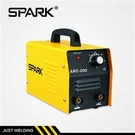
Our MIG - 250 Inverter Welding Machine is a great example. It offers a wide range of adjustable parameters, enabling welders to optimize the welding process for thin - gauge aluminum. The inverter technology also ensures stable arc performance, which is crucial for achieving high - quality welds.
Gas Selection
When welding aluminum, pure argon is the most commonly used shielding gas. Argon provides a stable arc and protects the weld pool from oxidation. For MIG MAG welding machines, using the correct gas is essential. Some machines are compatible with different gas mixtures, but for thin - gauge aluminum, pure argon is recommended to ensure the best results.
Wire Selection
The type of welding wire used is also critical. For aluminum welding, aluminum alloy wires are typically used. The wire diameter should be selected based on the thickness of the aluminum being welded. For thin - gauge aluminum, a smaller diameter wire, such as 0.8mm or 1.0mm, is usually preferred as it allows for better control of the weld bead and reduces the risk of burn - through.
Preparation and Technique
Proper preparation of the aluminum surface is vital. The oxide layer on the aluminum should be removed using a stainless - steel wire brush or a chemical cleaner. After cleaning, the aluminum should be welded as soon as possible to prevent the oxide layer from reforming.
In terms of welding technique, a push welding technique is generally recommended for aluminum. This helps to direct the heat towards the leading edge of the weld pool, improving fusion and reducing the risk of porosity. Additionally, the welder should use a short arc length and a steady travel speed to maintain consistent heat input.
Tips for Successful Welding
Pre - Heating
Although pre - heating is not always necessary for thin - gauge aluminum, in some cases, it can help to reduce the temperature gradient and minimize the risk of warping. However, pre - heating should be done carefully, as over - heating can also cause problems.
Backing Material
Using a backing material, such as copper or graphite, can help to dissipate heat and prevent burn - through. The backing material should be placed behind the joint to be welded and should be in good contact with the aluminum.


Practice
Welding thin - gauge aluminum requires practice. Welders should start with scrap pieces of aluminum of the same thickness and practice different settings and techniques until they achieve satisfactory results.
Our Product Range
We offer a variety of MIG MAG welding machines that are suitable for welding thin - gauge aluminum. In addition to the MIG - 250 Inverter Welding Machine, our Gasless MIG Welding Machine can also be used for aluminum welding in certain situations. Gasless MIG welding machines use a special flux - cored wire that eliminates the need for an external shielding gas. While they may not be as ideal as machines using pure argon for high - quality aluminum welding, they can be a cost - effective solution for some applications.
Our MIG MAG Welding Machine series is designed to meet the diverse needs of our customers. Whether you are a professional welder working on large - scale projects or a DIY enthusiast looking to tackle small aluminum welding jobs, we have a machine that can suit your requirements.
Conclusion
In conclusion, a MIG MAG welding machine can be effectively used for welding thin - gauge aluminum with the right machine settings, gas and wire selection, and proper preparation and technique. If you are interested in our MIG MAG welding machines for aluminum welding or have any questions about the welding process, we encourage you to contact us for a purchase consultation. Our team of experts is ready to provide you with the best solutions and support to ensure your welding projects are successful.
References
- AWS Welding Handbook, Volume 2: Welding Processes
- Welding Metallurgy and Weldability of Aluminum Alloys by John C. Lippold and David K. Matlock