

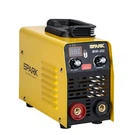
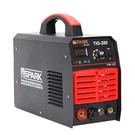
Can a cutting machine be used in a small workshop? This is a question that many small - business owners and DIY enthusiasts often ask. As a cutting machine supplier, I've seen firsthand the potential and challenges of integrating cutting machines into small workshop settings. In this blog, I'll explore the feasibility, benefits, and considerations of using a cutting machine in a small workshop.
Feasibility of Using a Cutting Machine in a Small Workshop
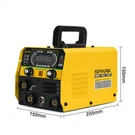
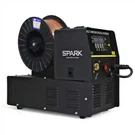
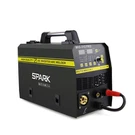
One of the first things to consider is the physical space. Small workshops typically have limited square footage. However, modern cutting machines come in a variety of sizes, including compact models that are designed to fit into tight spaces. For instance, some Single Phase Cutting Machine models are relatively small and can be easily placed on a workbench or in a corner of the workshop. These machines are often lightweight and portable, making them ideal for small - scale operations.
Another aspect of feasibility is the power supply. Most small workshops are equipped with a standard single - phase power supply. Single - phase cutting machines are readily available and can be directly connected to the existing electrical system in a small workshop without the need for extensive electrical upgrades. This makes it convenient and cost - effective for small workshop owners to use cutting machines.
Benefits of Using a Cutting Machine in a Small Workshop
Precision and Efficiency
A cutting machine can significantly improve the precision of cutting tasks. Whether you're working on metal, wood, or plastic, a cutting machine can make clean, straight cuts with minimal error. This is especially important for small - scale projects where accuracy is crucial. For example, in a jewelry - making workshop, a cutting machine can precisely cut thin metal sheets, ensuring that each piece is of high quality.


In terms of efficiency, a cutting machine can complete cutting tasks much faster than manual methods. This allows small workshop owners to increase their production output and take on more projects. For instance, a small furniture - making workshop can use a cutting machine to quickly cut wooden boards to the required sizes, reducing the time spent on each piece and increasing overall productivity.
Versatility
Cutting machines are highly versatile tools. They can be used to cut a wide range of materials, from soft materials like fabric and cardboard to hard materials like steel and aluminum. Some cutting machines can also perform different types of cuts, such as straight cuts, bevel cuts, and curve cuts. This versatility makes them a valuable asset in a small workshop, as it allows workshop owners to diversify their product offerings. For example, a small - scale metal - working workshop can use a cutting machine to create various metal parts, including brackets, frames, and decorative elements.
Cost - Effectiveness in the Long Run
Although the initial investment in a cutting machine may seem high, it can be cost - effective in the long run. By reducing the time and labor required for cutting tasks, a cutting machine can lower the overall production cost. Additionally, the precision and quality of cuts made by a cutting machine can reduce the amount of wasted material, further saving costs. For example, in a small - scale manufacturing workshop, a cutting machine can optimize the use of raw materials, resulting in significant cost savings over time.
Considerations When Using a Cutting Machine in a Small Workshop
Safety
Safety is of utmost importance when using a cutting machine in a small workshop. Cutting machines have sharp blades or high - energy cutting tools that can cause serious injuries if not used properly. Small workshop owners should ensure that they and their employees are trained in the safe operation of the cutting machine. This includes wearing appropriate safety gear, such as safety glasses, gloves, and ear protection. Additionally, the workshop should be equipped with safety features, such as emergency stop buttons and guards around the cutting area.
Maintenance
Regular maintenance is necessary to keep a cutting machine in good working condition. Small workshop owners should follow the manufacturer's maintenance schedule, which may include tasks such as blade sharpening, lubrication, and cleaning. Neglecting maintenance can lead to reduced cutting performance, increased wear and tear on the machine, and even breakdowns. For example, if the blades of a cutting machine are not sharpened regularly, they may not make clean cuts, and the machine may have to work harder, leading to premature failure.
Noise and Dust
Cutting machines can generate a significant amount of noise and dust during operation. In a small workshop, this can be a nuisance and a health hazard. To address the noise issue, small workshop owners can install sound - absorbing materials on the walls and ceiling of the workshop. For dust control, a dust collection system should be installed to capture the dust generated during cutting. This not only keeps the workshop clean but also protects the health of the workers.
Types of Cutting Machines Suitable for Small Workshops
Single Phase Cutting Machine
Single Phase Cutting Machine is an excellent choice for small workshops with a standard single - phase power supply. These machines are generally more compact and affordable than three - phase machines. They are suitable for light - to - medium - duty cutting tasks, such as cutting thin metal sheets, wooden boards, and plastic pipes.
High Duty Cycle Inverter Cutting Machine
For small workshops that require more power and continuous operation, a High Duty Cycle Inverter Cutting Machine is a good option. These machines use inverter technology to provide a stable and efficient power supply. They can handle heavy - duty cutting tasks, such as cutting thick metal plates, and have a high duty cycle, which means they can operate continuously for longer periods without overheating.
Three Phase Cutting Machine
If a small workshop has access to a three - phase power supply and needs to perform heavy - duty cutting tasks on a regular basis, a Three Phase Cutting Machine may be the right choice. These machines are more powerful and can cut through thicker and harder materials with ease. However, they may require more electrical infrastructure and are generally more expensive than single - phase machines.
Conclusion
In conclusion, a cutting machine can definitely be used in a small workshop. With the right choice of machine, considering factors such as space, power supply, and the type of cutting tasks, small workshop owners can enjoy the benefits of precision, efficiency, versatility, and cost - effectiveness. However, it's important to pay attention to safety, maintenance, and environmental factors such as noise and dust.
If you're a small workshop owner interested in purchasing a cutting machine, I encourage you to reach out for a detailed discussion. We can help you select the most suitable cutting machine for your specific needs and provide you with all the necessary support and guidance.
References
- "Cutting Machine Handbook", Manufacturer's Guide
- "Small Workshop Best Practices", Industry Publication