

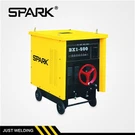
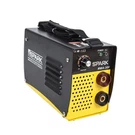
Hey there, fellow welding enthusiasts! I'm a supplier of MIG MAG welding machines, and today, I want to dig into a hot topic: Are MIG MAG welding machines energy - efficient?


First off, let's quickly go over what MIG and MAG welding are. MIG (Metal Inert Gas) welding uses an inert gas, like argon, to shield the weld from contaminants. MAG (Metal Active Gas) welding, on the other hand, uses an active gas, such as carbon dioxide or a mix of gases. These processes are super popular in the welding world because they're relatively easy to learn and can be used on a wide range of metals.
Now, let's talk about energy efficiency. Energy efficiency is all about getting the most bang for your buck in terms of energy use. In the case of welding machines, it means using less electricity to achieve the same or better welding results. So, are MIG MAG welding machines energy - efficient? The answer is a bit of a yes and no, and here's why.
Advantages in Energy Efficiency
One of the main reasons MIG MAG welding machines can be energy - efficient is their design. Many modern MIG MAG welding machines are inverter - based. Inverter technology is a game - changer when it comes to energy use. Unlike traditional transformer - based machines, inverter machines convert the incoming AC power to DC power at a high frequency. This high - frequency conversion allows the machine to be smaller, lighter, and more energy - efficient.
For example, our MIG - 250 Inverter Welding Machine uses advanced inverter technology. It can adjust the power output precisely according to the welding requirements. This means that it doesn't waste energy by running at full power when it doesn't need to. If you're doing light - duty welding, the machine can operate at a lower power level, saving you electricity in the process.
Another aspect is the welding speed. MIG MAG welding is generally faster than some other welding methods, like stick welding. When you can complete a welding job in less time, you're using less energy overall. The wire feed in MIG MAG welding is continuous, allowing for a smooth and fast welding process. This speed not only increases productivity but also reduces the amount of time the machine is running, which in turn saves energy.
Areas for Improvement
However, MIG MAG welding machines aren't perfect when it comes to energy efficiency. Some older models or lower - quality machines may not be as efficient as they could be. These machines might have less advanced power conversion systems or might not be able to adjust the power output as precisely.
Also, the type of gas used in MAG welding can affect energy efficiency. Using certain active gases can sometimes require a higher power output to achieve a good weld. For example, pure carbon dioxide is a common gas in MAG welding, but it can cause a more spattery weld and may require a bit more energy to get a clean result compared to a gas mix.
Comparing with Other Welding Machines
Let's compare MIG MAG welding machines with some other types of welding machines in terms of energy efficiency.
Stick Welding Machines
Stick welding machines are often transformer - based and tend to be less energy - efficient than modern MIG MAG inverter machines. They typically have a fixed power output and can't adjust as well to different welding conditions. Stick welding also has a slower welding speed, which means the machine is running for a longer time to complete a job, using more energy in the process.
TIG Welding Machines
TIG (Tungsten Inert Gas) welding machines are known for their precision but can be energy - hungry. TIG welding requires a stable and high - quality power supply, and the process is generally slower than MIG MAG welding. This slower speed means more energy is used over the course of a welding job.
Tips for Making MIG MAG Welding More Energy - Efficient
If you're using a MIG MAG welding machine and want to maximize energy efficiency, here are some tips:
- Choose the Right Machine: As I mentioned earlier, go for an inverter - based MIG MAG welding machine. Our MIG Welding Machine With Wheel is a great option. It's portable and uses inverter technology to save energy.
- Optimize Gas Selection: For MAG welding, choose the right gas mix. A well - balanced gas mix can reduce spatter and allow you to use less energy to achieve a good weld.
- Proper Maintenance: Keep your welding machine in good condition. Clean the contacts, check the wire feed mechanism, and make sure the gas flow is correct. A well - maintained machine will operate more efficiently.
- Adjust Settings Correctly: Set the voltage, wire feed speed, and other parameters according to the thickness of the metal and the type of weld you're doing. This ensures that the machine is using the right amount of energy for the job.
Real - World Impact
In a real - world setting, the energy efficiency of MIG MAG welding machines can have a significant impact. For small welding shops, energy savings can add up over time, reducing operating costs. For large manufacturing plants, the energy savings can be even more substantial. Using energy - efficient MIG MAG welding machines can also contribute to a company's sustainability goals.
Conclusion
So, to sum it up, MIG MAG welding machines can be energy - efficient, especially when they use inverter technology. They offer advantages in terms of power adjustment, welding speed, and overall design. However, there are still areas where improvements can be made, such as gas selection and machine quality.
If you're in the market for a MIG MAG welding machine and want to save on energy costs, consider our range of products. We have a variety of options, including the Transformer Gasless MIG Welding Machine with Compact Torch. Whether you're a professional welder or a DIY enthusiast, we can help you find the right machine for your needs.
If you're interested in learning more about our MIG MAG welding machines or want to discuss a potential purchase, don't hesitate to reach out. We're here to answer your questions and help you make an informed decision.
References
- AWS Welding Handbook, American Welding Society
- Welding Technology textbooks, various publishers
- Industry reports on welding machine energy efficiency