


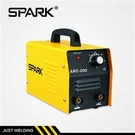


What is the welding current range of an ARC Welding Machine?
As a trusted supplier of ARC welding machines, I've encountered numerous inquiries regarding the welding current range of these essential tools. Understanding the welding current range is crucial for welders, whether they are hobbyists or professionals, as it directly impacts the quality and efficiency of the welding process. In this blog, I'll delve into the details of the welding current range of an ARC welding machine, factors influencing it, and how to choose the right range for your specific welding needs.
Understanding Welding Current in ARC Welding
Welding current is the flow of electric charge through the welding circuit during the arc welding process. It plays a fundamental role in determining the heat input, penetration depth, and bead shape of the weld. In ARC welding, an electric arc is established between the welding electrode and the workpiece, and the current passing through this arc generates the heat necessary to melt the electrode and the base metal, creating a fusion joint.
The welding current is measured in amperes (A). Different welding applications require different current levels. For instance, thin materials typically need lower current to prevent burn - through, while thicker materials demand higher current for proper penetration.
Factors Influencing the Welding Current Range
Material Thickness
One of the most significant factors influencing the welding current range is the thickness of the material being welded. As a general rule, thicker materials require higher welding currents. For example, when welding a 1 - mm thick mild steel sheet, a current in the range of 20 - 50 A might be sufficient. However, for a 10 - mm thick mild steel plate, a current of 150 - 250 A or even higher could be necessary to achieve proper penetration.
Material Type
Different materials have different electrical and thermal properties, which affect the required welding current. For example, stainless steel has a higher electrical resistance compared to mild steel. This means that for the same thickness, stainless steel may require a slightly higher welding current to achieve the same level of heat input and penetration. Aluminum, on the other hand, has high thermal conductivity, so it often needs a relatively high current to maintain the heat at the welding area.
Electrode Size and Type
The size and type of the welding electrode also play a crucial role in determining the welding current range. Larger diameter electrodes generally require higher currents. For example, a 2.5 - mm diameter electrode might operate within a current range of 50 - 100 A, while a 4 - mm diameter electrode could need 120 - 200 A. Different electrode types, such as rutile - coated, basic - coated, or cellulose - coated electrodes, also have specific current requirements based on their chemical composition and intended application.
Welding Position
The position in which the welding is performed can influence the welding current. Welding in the flat position (also known as the downhand position) is the easiest and generally allows for a wider range of welding currents. In contrast, vertical or overhead welding requires lower currents to prevent the molten metal from dripping or sagging. This is because gravity affects the behavior of the molten weld pool, and lower currents help to control the shape and flow of the pool.

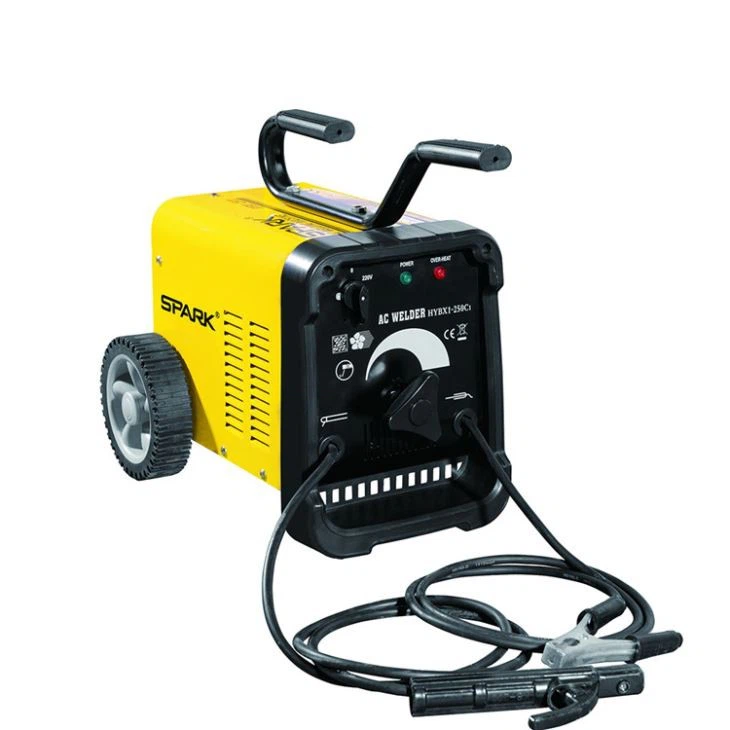
Typical Welding Current Ranges for Different ARC Welding Machines
At our company, we offer a variety of ARC welding machines with different current ranges to meet the diverse needs of our customers.
BX1 - 200C AC Welding Machine
The BX1 - 200C AC Welding Machine is a popular choice for both hobbyists and small - scale professional welders. It has a welding current range of approximately 20 - 200 A. This range makes it suitable for welding thin to medium - thick mild steel materials. For example, it can be used to weld 1 - 6 mm thick mild steel sheets and plates with ease. The machine is designed to provide stable arc performance within this current range, ensuring high - quality welds.
Popular Small Transformer Hobby Welding Machine
Our Popular Small Transformer Hobby Welding Machine is ideal for hobbyists and DIY enthusiasts. It typically has a welding current range of 10 - 120 A. This lower current range is well - suited for working with thin materials, such as 0.5 - 3 mm thick mild steel or stainless steel. The machine is compact and easy to operate, making it a great option for home workshops and small - scale projects.
Portable AC ARC Welding Machine
The Portable AC ARC Welding Machine is designed for on - the - go welding tasks. It usually offers a welding current range of 30 - 180 A. This range allows for a good balance between portability and welding capability. It can be used for welding medium - thick materials in various field applications, such as construction and maintenance work.
Choosing the Right Welding Current Range
When selecting an ARC welding machine, it's essential to choose the right welding current range based on your specific welding requirements. Here are some steps to help you make the right decision:
Identify Your Welding Materials
First, determine the types and thicknesses of the materials you'll be welding. If you mainly work with thin materials, a machine with a lower current range might be sufficient. However, if you need to weld thick materials, you'll require a machine with a higher current capacity.
Consider Your Welding Applications
Think about the types of welding projects you'll be undertaking. If you're a hobbyist working on small - scale projects at home, a hobby - grade welding machine with a limited current range may be adequate. On the other hand, if you're a professional welder working on large - scale industrial projects, you'll need a more powerful machine with a wider current range.
Evaluate Your Skill Level
Your skill level as a welder also matters. Beginners may find it easier to start with a machine that has a narrower and more manageable current range. As you gain more experience, you can upgrade to a machine with a wider range to tackle more complex welding tasks.
Contact Us for Your Welding Machine Needs
If you're still unsure about which ARC welding machine with the appropriate current range is right for you, or if you have any other questions regarding our products, we're here to help. Our team of experts has extensive knowledge and experience in the welding industry and can provide you with personalized advice and guidance. Whether you're a hobbyist looking for your first welding machine or a professional in need of a high - performance solution, we have the products and expertise to meet your requirements.
Don't hesitate to reach out to us for more information and to start a procurement discussion. We look forward to working with you to find the perfect ARC welding machine for your needs.
References
- O'Keefe, W. Welding Handbook, Volume 1: Welding Science and Technology. American Welding Society.
- Linnert, E. W. The Welding Engineer's Handbook. McGraw - Hill.