

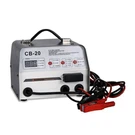

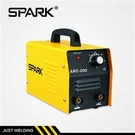


As a supplier of single phase cutting machines, I often get asked about the weight of a typical single phase cutting machine. This is an important consideration for many customers, especially those who need to move the machine around frequently or transport it to different job sites. In this blog post, I'll delve into the factors that influence the weight of single phase cutting machines, provide some typical weight ranges, and discuss why weight matters in the context of these machines.
Factors Influencing the Weight of Single Phase Cutting Machines
The weight of a single phase cutting machine can vary significantly based on several key factors. These factors not only affect the overall heft of the machine but also its performance, durability, and portability.
1. Power and Capacity
One of the most significant factors is the power and cutting capacity of the machine. Generally, machines with higher power ratings and greater cutting capabilities require more substantial components, such as larger transformers, heavier-duty electrical circuits, and more robust cutting heads. For example, a single phase cutting machine designed to cut through thick metal plates will typically be heavier than one intended for thinner materials. This is because it needs more powerful electrical components to generate the necessary cutting energy, and these components often add weight to the machine.
2. Construction Materials
The materials used in the construction of the cutting machine also play a crucial role in determining its weight. Machines built with high - quality, heavy - duty materials like cast iron or thick steel frames are likely to be heavier than those made from lighter materials such as aluminum or plastic composites. While heavier materials can provide greater stability and durability, they also increase the overall weight of the machine. On the other hand, lighter materials may make the machine more portable but could potentially sacrifice some strength and long - term reliability.
3. Additional Features
Modern single phase cutting machines often come with a range of additional features that can contribute to their weight. For instance, machines equipped with advanced control systems, automatic feed mechanisms, or built - in cooling systems will be heavier than basic models. These features enhance the functionality and performance of the machine but add extra components and weight in the process.
Typical Weight Ranges of Single Phase Cutting Machines
The weight of single phase cutting machines can vary widely depending on the type and application. Here are some general weight ranges for different types of single phase cutting machines:
Small - scale Benchtop Models
Small benchtop single phase cutting machines, which are typically used for light - duty applications such as hobbyist projects or small - scale workshops, usually weigh between 10 to 30 kilograms. These machines are designed to be compact and easy to move around, making them suitable for limited workspaces. They often have lower power ratings and are used for cutting thin materials like sheet metal or plastic.
Medium - duty Portable Models
Medium - duty single phase cutting machines that are more suitable for professional use in small to medium - sized workshops can weigh anywhere from 30 to 80 kilograms. These machines offer a good balance between power and portability. They can handle a wider range of materials and thicknesses compared to benchtop models and are often used for tasks such as fabricating metal parts or making repairs.
Heavy - duty Industrial Models
Heavy - duty single phase cutting machines, which are used for large - scale industrial applications, can weigh over 80 kilograms. These machines are built to withstand continuous use and are capable of cutting through thick and tough materials. They are often equipped with high - power motors, heavy - duty frames, and advanced cutting technologies, all of which contribute to their substantial weight.
Why Weight Matters
The weight of a single phase cutting machine is not just a matter of physical handling; it also has implications for various aspects of its use and performance.
Portability
For users who need to move the cutting machine between different job sites or work areas, weight is a critical factor. A lighter machine is easier to transport, load, and unload, which can save time and effort. This is especially important for mobile workers or contractors who need to bring their equipment to different locations.
Stability
On the other hand, weight can also contribute to the stability of the cutting machine. A heavier machine is less likely to move or vibrate during operation, which can result in more accurate cuts. This is particularly important for precision cutting tasks where even the slightest movement can affect the quality of the cut.
Installation
The weight of the machine also affects its installation requirements. Heavier machines may require a more robust workbench or mounting structure to ensure they are properly supported. This can add to the overall cost and complexity of setting up the machine in a workshop.
Comparing with Other Types of Cutting Machines
It's also interesting to compare the weight of single phase cutting machines with other types of cutting machines. For example, Three Phase Cutting Machine are generally more powerful and often heavier than single phase machines. They are designed for heavy - duty industrial applications and can handle large - scale cutting tasks. The additional power and complexity of three - phase systems require larger and heavier components, resulting in a higher overall weight.


High Duty Cycle Inverter Cutting Machine are another type of cutting machine that offers high performance. These machines use inverter technology to provide a more efficient and stable power supply. While they can be more lightweight compared to traditional transformer - based machines of the same power rating, their weight can still vary depending on the specific model and features.
DC Inverter Plasma Cutting Machine are known for their ability to cut through a wide range of materials with high precision. The weight of these machines can also vary, but they generally offer a good balance between power and portability.
Making the Right Choice
When choosing a single phase cutting machine, it's important to consider your specific needs and requirements. If you need a machine that is easy to move around, a lighter model may be more suitable. However, if you require high - power and stability for heavy - duty cutting, a heavier machine might be the better option.
It's also essential to consider the long - term use of the machine. A heavier machine may be more durable and reliable, which can save you money in the long run by reducing the need for frequent repairs or replacements.
Contact Us for More Information
If you're in the market for a single phase cutting machine and have questions about weight, power, or any other aspect of our products, we'd love to hear from you. Our team of experts can provide you with detailed information and help you choose the right machine for your needs. Whether you're a hobbyist, a small - business owner, or an industrial professional, we have a single phase cutting machine that will meet your requirements. Contact us today to start the conversation about your cutting machine needs and let us assist you in making the best purchase decision.
References
- "Cutting Machine Handbook" - A comprehensive guide on different types of cutting machines and their technical specifications.
- Industry reports on the latest trends in single phase cutting machine technology.